



Understanding RNG Math
Many slot players believe they can spot patterns by observing a game over time. This is a common myth. All modern slot machines, from classic fruit games to complex video slots, operate using a Random Number Generator (RNG). This sophisticated software ensures every outcome is completely random and independent of previous spins.
The core function of RNG is to cycle through millions, or even billions, of number combinations every second. When you hit the spin button, the software selects whatever number it's on at that exact millisecond to determine the result.
Casinos benefit from the misconception that patterns exist, as it can encourage players to keep spinning. However, the sheer speed and complexity of the RNG algorithm make it impossible for any human to predict or find a pattern. The key takeaway is that each spin is a unique, isolated event.
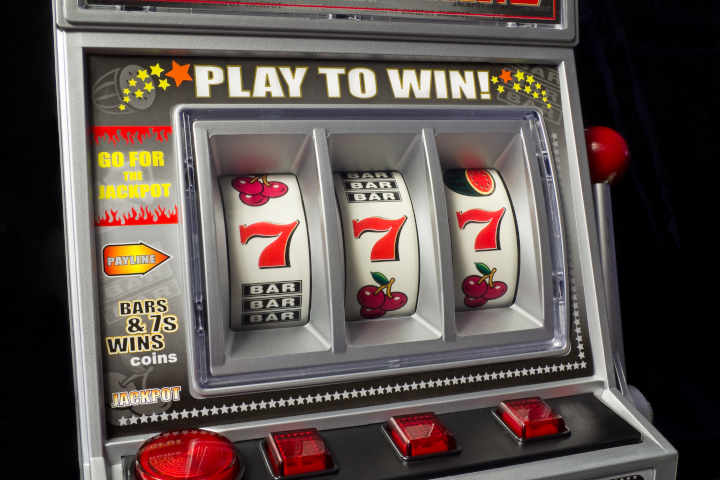
Beware of Losses Disguised as Wins
A sneaky feature in many modern slots is the concept of losses disguised as wins (LDWs). Unsuspecting players often don't realize that a celebratory sound and flashing lights don't always mean they've made a profit on a spin.
Here's how it works: imagine you bet $1 on a single spin. The reels land on a combination that triggers bells and animations, and the machine declares a win of $0.80. While it's framed as a victory, you actually experienced a net loss of $0.20. These small, disguised losses can quickly drain your bankroll without you even noticing, as the psychological effect of a 'win' encourages you to continue playing. Always pay attention to your balance, not just the winning animations.
The Misleading Math of Penny Slots
Penny slots sound like an affordable way to enjoy casino gaming, but the name is often just a marketing tactic. Finding a slot that genuinely allows you to play for just one cent per spin is extremely rare. Even when you do, playing a single payline offers minimal chances of winning.
To have a real shot, you must activate multiple paylines, which significantly increases your bet per spin. For example, a 'penny slot' with 50 paylines might require a minimum bet of $0.50. If you're making 500 spins per hour at this rate, you're wagering $250. This demonstrates how quickly the costs can add up, turning a seemingly low-stakes game into a significant expense.

RTP and House Edge: The Most Important Numbers
The two most crucial pieces of slot machine math for any player are the Return to Player (RTP) percentage and the house edge. These two figures are inversely related and add up to 100%.
- Return to Player (RTP): This is the theoretical percentage of all wagered money that a slot machine will pay back to players over a long period. For example, a slot with a 96% RTP is programmed to return $96 for every $100 wagered over millions of spins.
- House Edge: This is the casino's built-in advantage. For a slot with a 96% RTP, the house edge is 4%. This is the portion of each bet the casino expects to keep as profit over the long run.
Understanding these numbers is vital. As a player, you should always look for slots with the highest possible RTP. This doesn't guarantee you'll win, but it gives you the best statistical value for your money and improves your chances over an extended playing session.


