



When Was Bingo Invented?
The history of bingo dates back to around 1530, making it one of the oldest gambling games still enjoyed across the globe. The game's origins lie in Italy with a lottery-style game called 'Il Gioco del Lotto d’Italia,' which was popular among the aristocracy.
By the end of the 16th century, this Italian lottery had spread to neighboring countries. In France, it gained popularity under the name 'Le Lotto,' where it remained a favorite pastime for the wealthy. The game eventually made its way to Great Britain and the rest of Europe during the 18th century, becoming accessible to all social classes, not just the elite.

Interestingly, in 19th-century Germany, a variation known as 'Tombola' was used as an educational tool. This version helped children learn spelling, multiplication tables, and other subjects, demonstrating the game's versatility.
The History of Bingo in the US
Many people assume bingo rules are universal, but that's not the case. The version played in the United States differs from the one popular in the UK and other parts of the world. The most significant difference is the number of balls used: the US version uses 75 balls, while the UK version has 90 balls.
The game arrived in America with British settlers. In the 1920s, an American inventor named Hugh J. Ward standardized the game for players in Pittsburgh, eventually copyrighting it and publishing an official rulebook.
Toymaker and salesman Edwin S. Lowe was instrumental in popularizing the game across the country. The origin of the name 'Bingo' is debated; some say it mimics a bell's sound, while others believe it evolved from 'beano,' as players used dried beans to mark their cards.
Bingo's golden age in the US was during and just after World War II. While its popularity in physical halls has waned, it has seen a resurgence with younger generations, especially online. Today, commercial bingo games for money are found mainly in Las Vegas casinos and Native American bingo halls, while churches and charities often host games for smaller stakes.
How Is Modern Bingo Played?
The standardization of bingo in the 20th century cemented the rules still used today. To understand how it works, let's look at the UK version, which is the most common globally.
A standard UK bingo ticket features 27 spaces arranged in three rows and nine columns. Each row has five numbers and four blank spaces. The numbers are typically organized by column, for example, the first column contains numbers 1-10, the second 11-20, and so on.
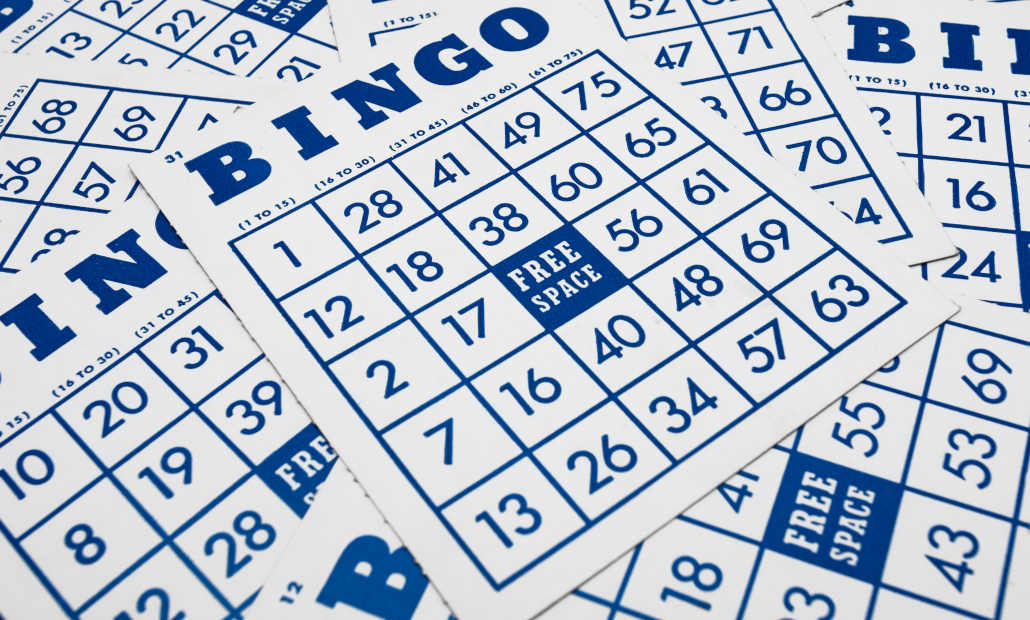
Tickets are often sold in strips of six, which guarantees that every number from 1 to 90 is present across the tickets. While buying a full strip means you'll mark a number for every call, it doesn't guarantee a win. The gameplay is simple: players listen for the numbers called by a presenter and mark them on their tickets. The numbers can be drawn from a bag, a mechanical machine, or a Random Number Generator (RNG) in online games.
Who Are the Biggest Bingo Winners in History?
While not known for the massive jackpots of some casino games, bingo has produced several millionaires. Here are some of the biggest winners:
- Georgios M. – £5,100,000: The largest bingo win in history went to a man known only as Georgios in 2009. He won playing a progressive jackpot bingo game and chose to remain anonymous.
- Lisa P. – £1,364,000: In 2012, Lisa Porter turned a £5 bet into a life-changing sum while her husband was watching a football match.
- Soraya L. – £1,167,000: Soraya Lowell holds the record for the biggest win in a traditional bingo hall, achieved in 2008. She generously split her winnings with her bingo partner.
- Anita C. – £1,149,000: In a truly remarkable story from 2019, Anita Campbell won a £597,000 jackpot just hours after signing up for an online bingo site. Ten days later, she hit another jackpot for £552,000.
Online Bingo: The Game's Future
The internet propelled bingo to new heights of popularity. The first known bingo site, Bingo Zone, launched in 1996, offering free-to-play games. Soon after, real-money bingo sites emerged, and by the early 2000s, dozens of platforms offered the classic game to a global audience.
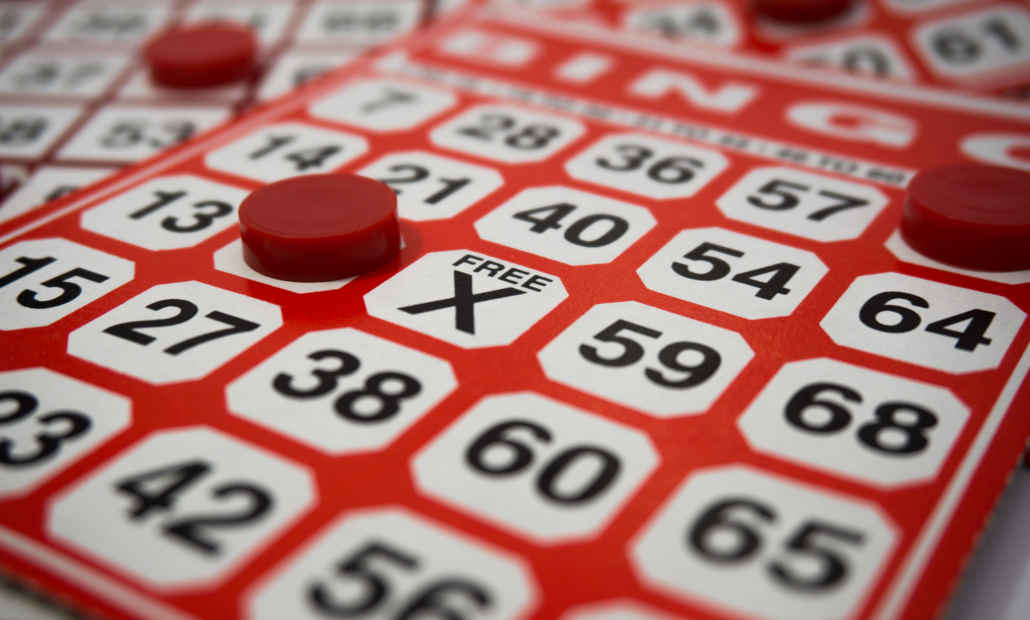
The growth of mobile technology in the 2010s was another major catalyst, allowing people to play bingo anytime, anywhere. This digital shift had a noticeable impact on physical venues. In the UK, a country with a massive bingo fanbase, the number of bingo halls dropped from 600 to under 400 between 2005 and 2014.
Today, online bingo offers a social and convenient experience, available 24/7. The rich bingo history, spanning nearly five centuries, proves its incredible adaptability. From Italian aristocracy to modern online casinos, bingo continues to evolve and entertain players worldwide.


