

Understanding Blackjack Card Values: The Foundation of Your Strategy
Blackjack, also known as 21, is a staple in casinos worldwide, loved for its simple rules and blend of luck and strategy. The core of the game revolves around a straightforward objective: beat the dealer's hand by getting as close to 21 as possible without exceeding it. To do this, you must first master the blackjack card values. Unlike other card games, suits are irrelevant here; it's all about the numbers.
The Complete Blackjack Card Value Chart
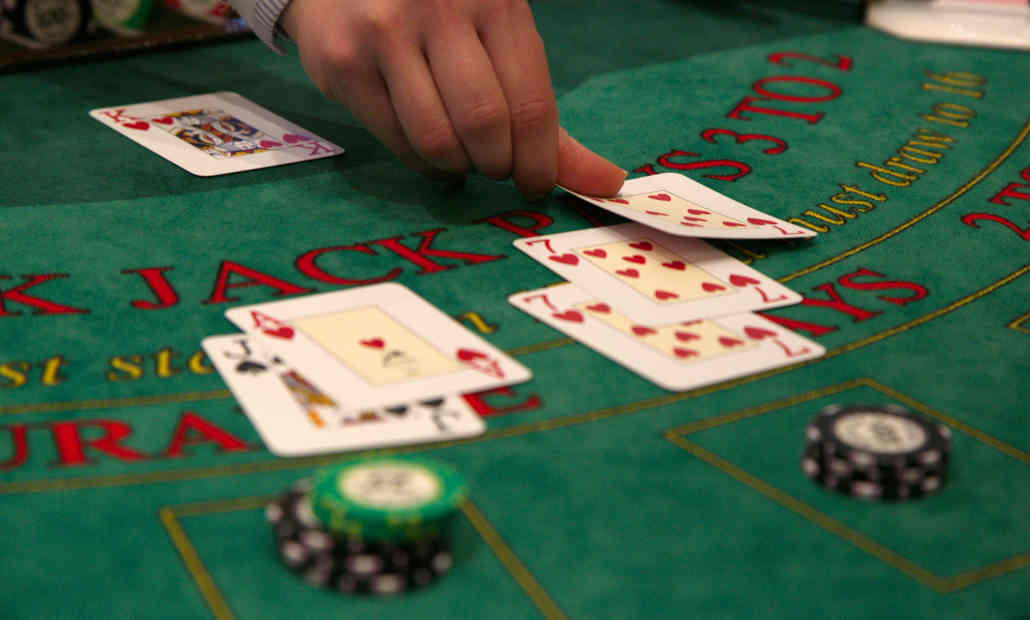
Memorizing what each card is worth is easy. Most cards simply hold their numerical value, while the face cards and the Ace have special roles. Here’s a clear breakdown using a blackjack card value chart format:
| Card | Value |
|---|---|
| 2-10 | Face Value (e.g., a 2 is worth 2 points, a 9 is worth 9 points) |
| Jack (J) | 10 Points |
| Queen (Q) | 10 Points |
| King (K) | 10 Points |
| Ace (A) | 1 or 11 Points |
The Ace is the most powerful card in the deck because of its flexibility. Its value is determined by what benefits your hand the most. For example, if you have an Ace and a 6, your total is 17 (using the Ace as 11). If you hit and get a 5, your total would be 22 and you'd bust. In this case, the Ace's value automatically drops to 1, making your new total a safe 12 (1+6+5).
How a Standard Blackjack Round Works
Once you know the blackjack cards worth, the gameplay becomes intuitive. You'll be playing against the dealer, not other players. A round begins with the dealer giving two cards to each player and two to themselves (one face up, one face down). Based on your two cards and the dealer's up-card, you decide your next move.
- Hit: Request another card to improve your total.
- Stand: Keep your current hand and end your turn.
The round concludes when all players have acted. The main goal is to have a higher total than the dealer without going over 21. There are five possible outcomes:
- Win: Your total is 21 or less, but higher than the dealer's total.
- Win: Your total is 21 or less, and the dealer busts (goes over 21).
- Lose: The dealer's total is closer to 21 than yours.
- Lose: You bust by going over 21.
- Push: You and the dealer have the same score, resulting in a tie. Your bet is returned.
Essential Blackjack Hand Types
Understanding how the Ace affects your hand is key. This leads to two main types of hands: soft and hard.

Soft Hands
A soft hand in blackjack is any hand that includes an Ace counted as 11. For example, an Ace and a 7 is a 'soft 18'. The advantage of a soft hand is that you cannot bust on the next hit. If you hit on a soft 18 and draw a 5, the Ace's value changes to 1, giving you a total of 14 (1+7+5) instead of busting.
Hard Hands
A hard hand in blackjack is any hand that does not contain an Ace, or where the Ace must be counted as 1 to avoid busting. For instance, a 10 and a 7 is a 'hard 17'. An Ace, a 6, and a 9 is also a 'hard 16' because counting the Ace as 11 would result in a bust (26).
Knowing the difference between soft and hard hands is fundamental to applying basic blackjack strategy and deciding when to hit or stand.
Splitting Pairs
If you are dealt two cards of the same value (like two 8s or two Kings), you have the option to 'split' them into two separate hands. This requires placing an additional bet equal to your original wager. It's a strategic move that can double your winning potential in favorable situations.
Final Thoughts
Blackjack's appeal lies in its simplicity. By mastering the blackjack card values and understanding the basic hand types, you move beyond just hoping for good cards. You start making informed decisions that can lower the house edge and improve your odds of winning. Practice is key, so use this guide to build your confidence before hitting the tables.