
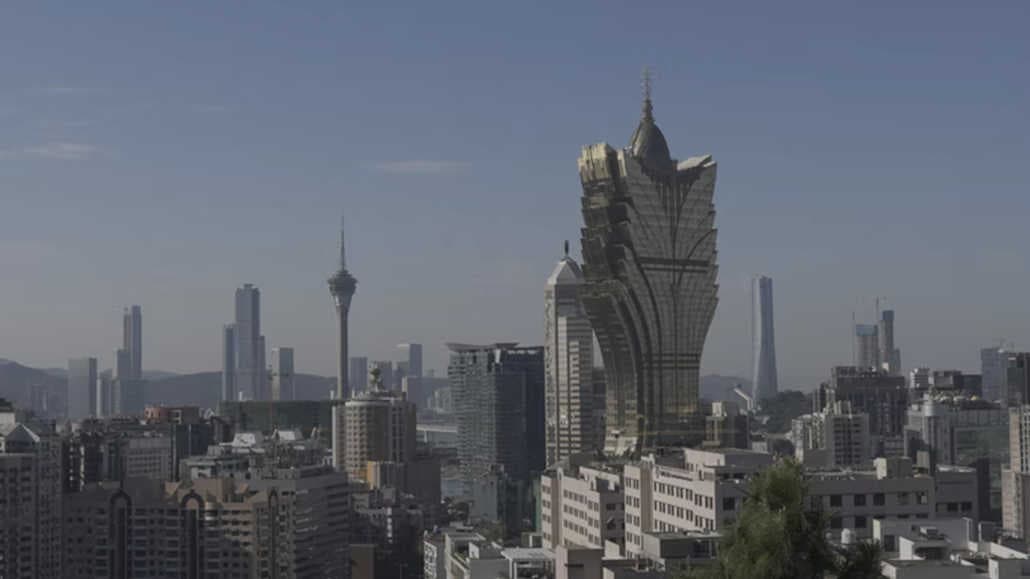


The Unprecedented Challenge of the Macau Casino Lockdown
For years, Macau has stood as the undisputed casino capital of Asia, a vibrant hub drawing countless tourists and gamblers. However, the global pandemic introduced unprecedented challenges. The stringent Macau casino lockdown, enforced as part of China’s zero-COVID policy, brought this bustling industry to a grinding halt. This move was a significant shift from the initial stages of the pandemic, where officials tried to keep casinos operational to protect the region's economy.
The shutdown resulted in millions of dollars in lost revenue daily. Compounding the financial strain, Chinese officials mandated that casinos could not lay off their workforce. With labor accounting for a significant portion of operating costs, this put immense pressure on the Macau gambling industry, forcing a re-evaluation of its operational model.
This crisis in Macau demonstrated, with startling clarity, that the modern casino industry is deeply integrated into the world economy, with local policies creating global ripple effects.
Global Economic Ripple Effects
The impact of the lockdown wasn't confined to Macau. American parent companies of major Macau casinos found themselves in a difficult position. They had to channel funds to support their closed-down operations while simultaneously bidding for new, expensive licenses in the region. This financial bleed underscored the interconnectedness of the global gaming economy.
The willingness of these US companies to incur such risks highlights Macau's strategic importance. The situation proved that the casino industry is more than just entertainment; it's a major employer and taxpayer, and its health directly influences regional and international economies.
Pivoting to Digital: The Rise of Online Alternatives
In any crisis, innovation becomes key to survival. The casinos that navigated the pandemic successfully were those capable of adapting. While land-based casinos struggled, the online casino sector experienced significant growth. This period highlighted the necessity of a digital strategy to mitigate risks from unforeseen events like a lockdown.
The crisis in Macau serves as a powerful argument for creating robust online alternatives. For players unable to visit in person, online platforms provide a crucial connection to their favorite games.
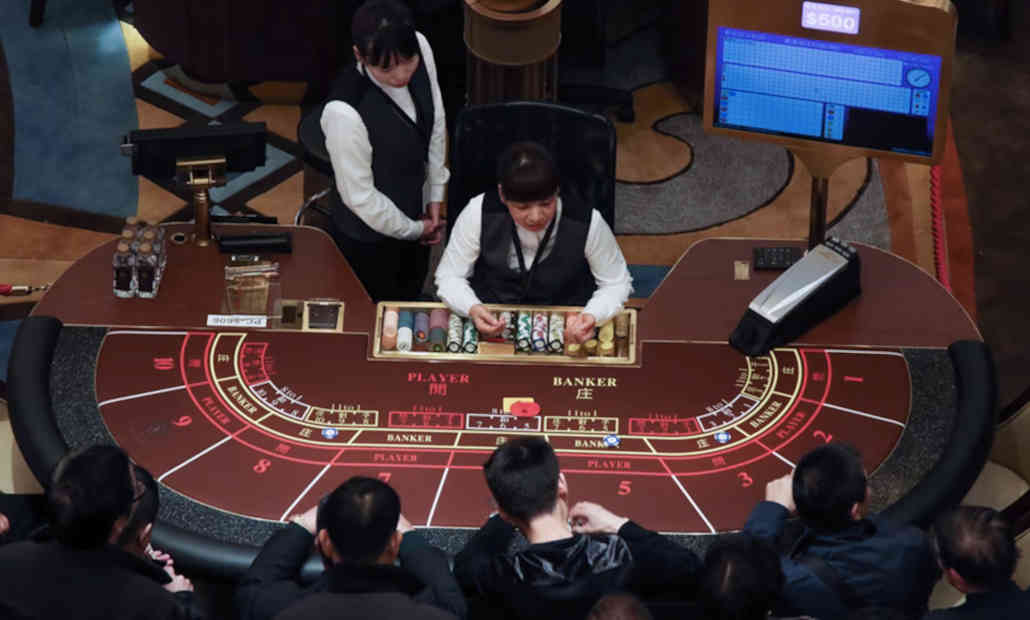
The Appeal of Live Dealer Games
One of the most effective digital solutions has been the rise of live dealer games. These games bridge the gap between the physical and online casino experience by streaming real dealers in real-time. They successfully recreate the social atmosphere and excitement of a casino floor, making them a popular choice for players at home. This innovation allowed the online gambling industry to not just survive, but thrive during a period of global uncertainty.
The Future of the Casino Industry
The lessons from the Macau casino lockdown are clear: adaptability is non-negotiable. To secure their future, land-based casinos must embrace digital transformation. By developing online platforms, they can create new revenue streams and build a more resilient business model capable of withstanding future crises.
The constant innovation seen in the online casino world, with new games and features, keeps players engaged. Land-based casinos can learn from this dynamic approach to retain their customer base. Ultimately, a hybrid model that combines the best of physical and digital experiences is likely the most sustainable path forward for the entire industry.


