


What Is Money Laundering?
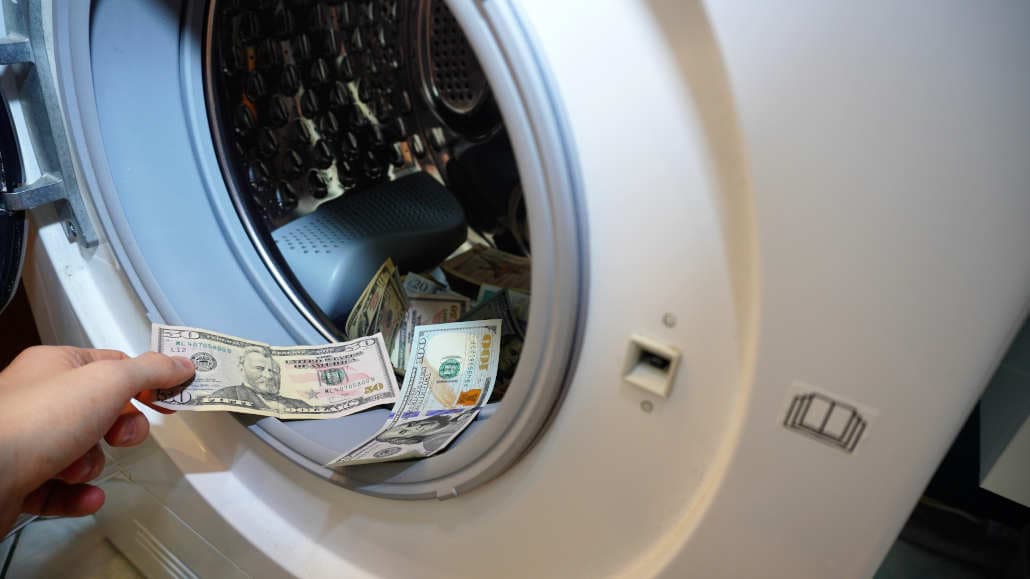
Money laundering is the illegal process of making money earned from criminal activities appear to have come from a legitimate source. The term comes from the idea of taking “dirty money” and “cleaning” it. Criminal organizations use various businesses as fronts to disguise the origin of their funds, allowing them to integrate the money into the financial system without raising suspicion.
Dealing with large sums of illegal cash is risky. It can attract unwanted attention from government agencies. Furthermore, you can't make large purchases with illicit funds without proving where the money came from, which makes money laundering a critical step for criminals.
The Three Stages of Money Laundering
The process of cleaning money typically involves three distinct steps:
- Placement: This is the initial step where dirty money enters the financial system.
- Layering: The money is moved around through complex transactions to hide its origin.
- Integration: The laundered money is returned to the criminals from what appears to be a legitimate source.
Placement
Placement involves converting cash from crime into seemingly legitimate assets. Criminals need to get their money into the financial system without triggering alarms. This can be done by depositing small amounts into different bank accounts or using a professional middleman. This stage is the most vulnerable for criminals, as depositing large amounts of cash can be easily detected by the Anti-Money Laundering (AML) systems that banks use.

Layering
Layering is designed to obscure the money's trail. Criminals create complex webs of transactions to make it difficult to trace the funds back to their illegal source. Common methods include transferring money between multiple bank accounts, converting it into different currencies, or purchasing high-value assets like real estate, luxury cars, or art.
Integration
Integration is the final step where the money re-enters the economy as clean funds. The launderer can now use the money without fear of it being traced to criminal activity. This is often achieved by investing in legal businesses, creating fake invoices for payments, or even setting up charitable organizations.
How Casino Money Laundering Works
Casinos are ideal for money laundering because they are cash-intensive businesses where money constantly changes hands. The process of casino money laundering is relatively straightforward.
Land-Based Casinos
- A criminal buys casino chips with a large amount of dirty cash.
- They gamble with the chips for a while, making small wins or losses to appear like a genuine player.
- Finally, they cash out the remaining chips, receiving a check from the casino, which now appears as legitimate gambling winnings.
Online Casinos and Betting Sites
The process is similar for online gambling platforms:
- Dirty money is deposited into an online account using e-wallets, prepaid cards, or cryptocurrency.
- A few bets are placed to simulate gambling activity.
- The remaining balance is withdrawn to a personal bank account, now cleaned.
The Impact of Cryptocurrencies
The rise of cryptocurrencies has created new avenues for money launderers. Crypto gambling platforms are particularly attractive for two main reasons:
- Anonymity: Crypto transactions do not require personal information to be disclosed.
- Speed: Huge sums of money can be moved across borders in seconds.
In 2021 alone, it's estimated that criminals laundered over $8.6 billion in cryptocurrency. Authorities are urging crypto exchanges to implement better verification measures, but the anonymous nature of crypto makes this a significant challenge.
Anti-Money Laundering (AML) Measures in Casinos
To combat this problem, financial institutions and casinos use Anti-Money Laundering (AML) regulations. These are laws and procedures designed to prevent the cleaning of dirty money. AML rules are becoming stricter each year for casinos, which deal with clients from various jurisdictions.
However, implementing these measures can be tricky. Many legitimate high-stakes gamblers value their privacy and may avoid casinos with stringent AML protocols. Regulatory bodies conduct regular inspections to ensure compliance, using methods like:
- Questionnaires and information requests
- Reviews of case files and transactions
- On-site visits and test purchasing
Final Thoughts
Casino money laundering remains a serious and growing problem, amplified by the rise of cryptocurrencies. While authorities and casinos have implemented measures to fight back, the nature of the gambling industry makes it a constant battle. Continued cooperation between governments, casinos, and crypto platforms is essential to reduce these illicit activities and protect the integrity of the financial system.


