
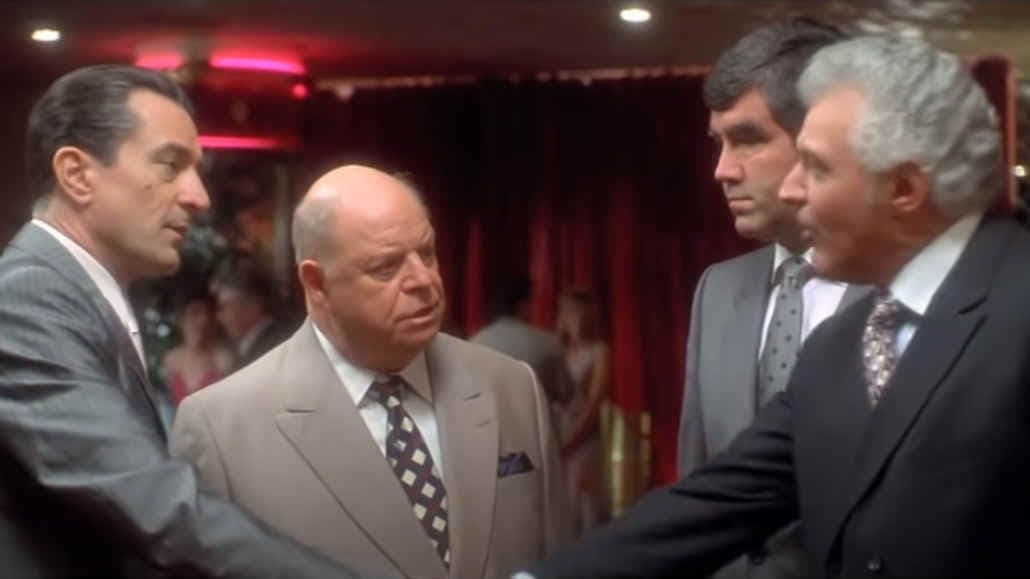


The Rise and Fall of Mob-Run Vegas
Martin Scorsese's Casino hit theaters in 1995, during a golden era for mob thrillers. Following classics like his own Goodfellas, the film cemented itself as a cornerstone of the genre. With a runtime of nearly three hours, its deliberate pacing and rich detail capture the audience's attention from the explosive opening to the final scene. Our comprehensive Casino movie review breaks down the plot, historical backdrop, and the complex characters that make this film a timeless masterpiece.
Historical Context: The Real Old Las Vegas
To understand Casino, you have to understand Las Vegas in the mid-20th century. After Nevada legalized gambling, the city quickly became a global hub for entertainment and high-stakes wagers. By the 1960s, its glamour attracted top performers and tourists alike, but behind the neon glow, the mafia was tightening its grip. The mob used the city's casinos not just for legitimate profit but as massive money-laundering operations. This historical setting is crucial, as the film's story begins in 1968, right in the thick of this era.
It's important to note the film's disclaimer: it is "adapted from a true story." This gives Scorsese creative license, making it more historical fiction than a direct documentary like Goodfellas. While the characters are not named after real people, the events they experience are heavily inspired by the real-life activities of the Chicago Outfit in Las Vegas.
An Unforgettable Plot of Greed and Betrayal
The Casino movie plot follows sports handicapper Sam "Ace" Rothstein (Robert De Niro), sent by the Chicago Mafia to run the Tangiers Casino. Because of his past legal troubles, Ace operates from the shadows while a frontman holds the official title. Under his meticulous management, the casino's profits soar, much of it skimmed directly for the bosses back home.
To protect their asset, the mob sends enforcer Nicky Santoro (Joe Pesci) to Vegas. Nicky is Ace's childhood friend, but his violent and unpredictable nature quickly causes problems. While Ace tries to run a legitimate business, Nicky builds his own criminal empire through shakedowns and robberies.

Ace's life takes a dramatic turn when he falls for Ginger McKenna (Sharon Stone), a charismatic hustler. He marries her, believing he can change her, but their relationship is doomed from the start. Ginger's addiction, her connection to a past lover, and her love for money create constant conflict. By the mid-70s, their marriage is a series of public fights and betrayals.
Ace's professional life also unravels. Denied a gaming license and drawing too much attention with a local TV show, he angers his mob bosses. The FBI, meanwhile, closes in, exploiting the incompetence of a new underboss to bug the casino. The entire operation begins to crumble as friendships sour and loyalties are tested, culminating in a violent, tragic conclusion for nearly everyone involved.

The Three Faces of Ambition
Sam “Ace” Rothstein
Ace is the film's anti-villain. Portrayed brilliantly by Robert De Niro, he is a gambling genius and a perfectionist obsessed with control. He isn't afraid to be ruthless to maintain order in his casino but prefers to delegate the dirty work. His downfall is his belief that he can control everything, including the volatile Nicky and the self-destructive Ginger.
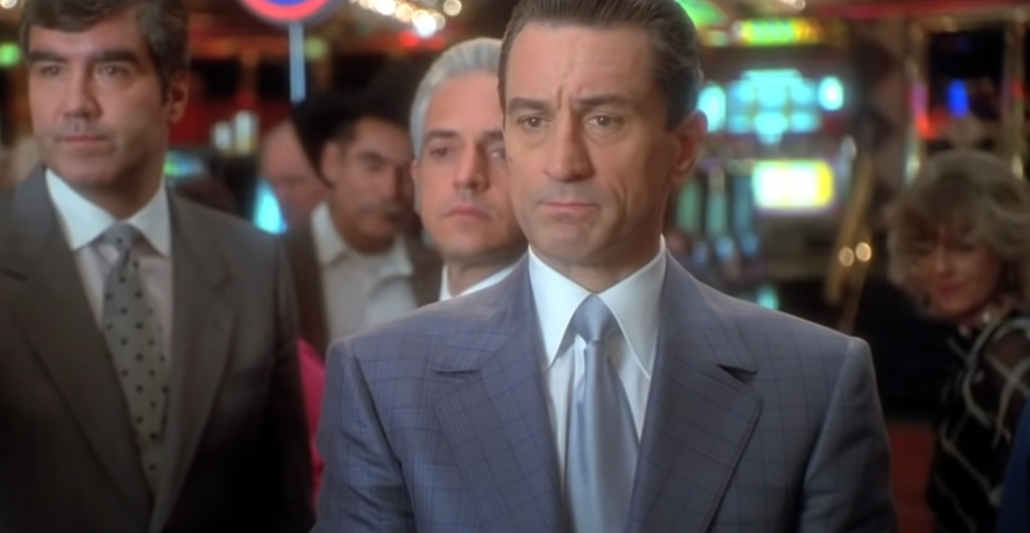
Nicky Santoro
Joe Pesci's Nicky Santoro is a force of nature. A feared mob enforcer, he is violent, impulsive, and deeply loyal until he isn't. Nicky thrives on the gangster lifestyle, believing himself untouchable. His psychotic tendencies and lack of self-control create constant chaos, ultimately leading to his brutal demise.
Ginger McKenna
Sharon Stone earned an Oscar nomination for her role as Ginger, a complex character who is far from a simple femme fatale. She is a smart, independent hustler who understands the power of her beauty. However, her deep-seated insecurities, addiction, and inability to escape her past make her a tragic figure. Ginger is only in it for the money, and her selfishness ultimately destroys her and those around her.

Conclusion: A Masterpiece of Detail
Scorsese's attention to detail, from the period-perfect decor to the voiceover narration, makes Casino an immersive experience. While some critics claim it glamorizes the mafia, the film does the opposite.
It paints a stark picture of how a life of crime inevitably ends in betrayal and death.The characters enjoy a luxurious lifestyle, but it's built on a foundation of paranoia and violence. In the end, the empire collapses, and everyone pays a heavy price, showing the unglamorous reality of the gangster life.


