



Understanding the Targets of Modern Scammers
While it's a common belief that scammers primarily target older adults, the reality is much broader. Seniors can be more vulnerable due to less familiarity with digital technology, but scammers cast a wide net. Anyone, regardless of age, can fall victim to a well-crafted con.
Today's con artist tricks are tailored to different demographics. Younger individuals often encounter scams on social media or through fake scholarship offers. Adults may face more sophisticated financial fraud, while anyone can be a target for street hustles or online shopping scams. The key takeaway is that vigilance is necessary for everyone.
No demographic is immune. Scammers exploit universal human emotions like greed, fear, and the desire to help, making anyone a potential target.
The Blueprint: Common Scam Artist Techniques
Most scams, whether simple or complex, follow a similar pattern. Understanding these core scam artist techniques is the first step in recognizing and avoiding them. We're sharing this blueprint not to teach you how to scam, but to empower you to see through the deception.

Exploiting Social Norms and Trust
People are generally conditioned to be polite and agreeable. Scammers exploit this by initiating interactions that are hard to refuse without seeming rude. They appeal to your good nature to hook you in. This is a common tactic in phishing attacks, where they impersonate a trusted entity like a bank to trick you into handing over sensitive data.
The 'Start Small' Approach
Many cons begin with a small, seemingly low-risk request. In street games like Three-Card Monte, a scammer might let you win a small bet to build your confidence. Once you're invested and place a larger wager, they rig the game to ensure you lose. This gradual escalation is designed to lower your guard and commit you financially before you realize it's a setup.
Mastering Distraction and Conversation
Skilled con artists are masters of distraction. They know you can't focus on everything at once. By drawing your attention to one thing, like a fast-paced conversation or the actions of a accomplice, they can manipulate the game or situation without you noticing. They are also excellent listeners, asking questions to uncover your desires and fears, which they then use to tailor their pitch.

Appealing to Greed
The promise of a quick and easy profit is one of the most powerful tools in a scammer's arsenal. They might offer a high-value item for a very low price, creating a story about why they need to sell it urgently. They count on the target's greed to cloud their judgment, making them jump at a deal that is truly too good to be true.
Creating False Urgency
Pressure and tight deadlines force people to make emotional, impulsive decisions. Scammers manufacture a sense of urgency, telling you an offer is available for a "limited time only" or that you must act now to avoid a negative consequence. This tactic short-circuits your critical thinking, pushing you to agree before you've had a chance to evaluate the situation properly.
Essential Tips for Avoiding Scams
Staying safe requires a proactive mindset. By keeping a few key principles in mind, you can significantly reduce your risk of becoming a victim. Here’s how to spot scams and protect yourself:
- Guard Your Information: Never give out personal or financial data unless you are absolutely certain of the recipient's identity. Treat any unsolicited request for information with suspicion.
- Verify the Source: If someone claims to be from your bank or a government agency, hang up and contact the organization directly using a known, official number or website. Don't trust contact information provided by the person who reached out.
- Be Wary of Free Lunches: If an offer seems too good to be true, it almost certainly is. Legitimate opportunities require effort and rarely promise huge returns for nothing.
- Resist High-Pressure Tactics: Don't let anyone rush you into a decision. If you feel pressured, step back and take time to think. A legitimate offer will still be there after you've had time to consider it.
- Trust Your Instincts: Con artists are skilled actors, but small details can give them away. If someone seems overly friendly, mimics your posture, or shares too much personal information too quickly, it could be a red flag.
A Look at the Most Common Scams
Knowing the theory is one thing, but recognizing a scam in the wild is another. Here are some of the most prevalent types you might encounter:
Phishing Scams
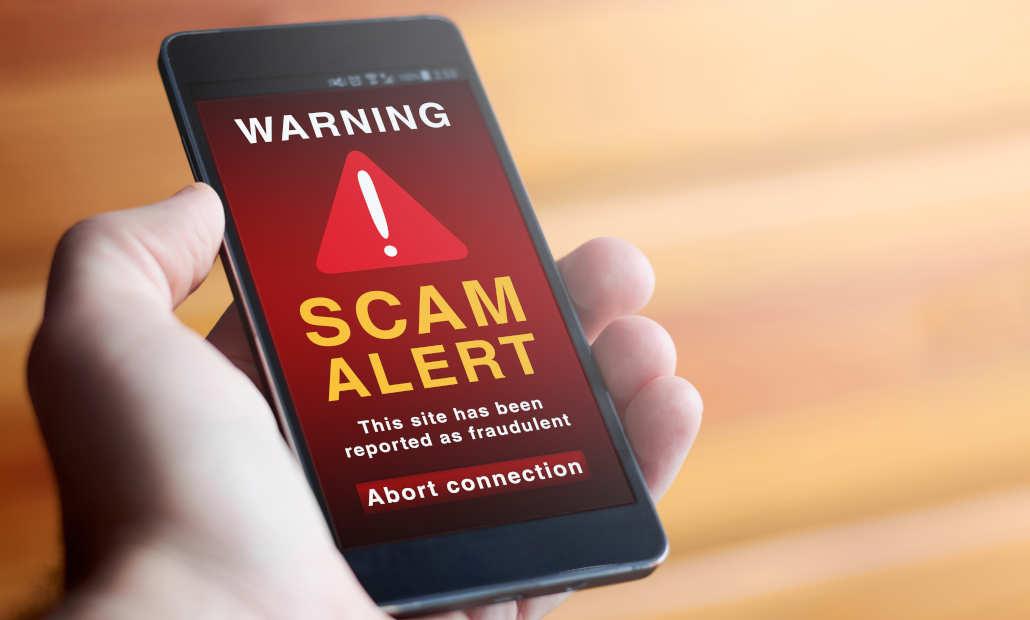
Phishing remains one of the most damaging online scams. You receive an email or text message that appears to be from a legitimate source, asking you to click a link and verify your information. The link leads to a fake website designed to steal your login credentials, credit card numbers, or other personal data.
Social Media and Romance Scams
Scammers create fake profiles to befriend victims, building trust over time. They may eventually ask for money, citing a fake emergency, or use personal information and photos to blackmail the victim. This form of identity theft can have severe financial and emotional consequences.
Doorstep and Rogue Trader Scams
These con artists appear at your door offering services like roof repair or landscaping at a low price. They often perform shoddy work, use subpar materials, or take your money and disappear without completing the job. Always use reputable, vetted contractors for home services.
Pyramid Schemes
A classic for a reason, pyramid schemes promise high returns for recruiting new members into the program. The structure is unsustainable, as it relies on an endless stream of new investors. While early entrants might make money, the vast majority at the bottom of the pyramid are guaranteed to lose their investment when it inevitably collapses.
What to Do if You've Been Scammed
Falling for a scam can happen to anyone. The most important thing is how you respond. Don't let shame or fear prevent you from taking action.

First, document everything you can remember about the incident. Collect any emails, texts, or receipts. Then, report the scam to the appropriate authorities, such as your local police and the Federal Trade Commission (FTC). Contact your bank or credit card company immediately to block any payments and secure your accounts. By reporting the incident, you not only start the process of seeking justice for yourself but also help protect from fraud by preventing the scammer from victimizing others.


