


The European Roulette Wheel Explained
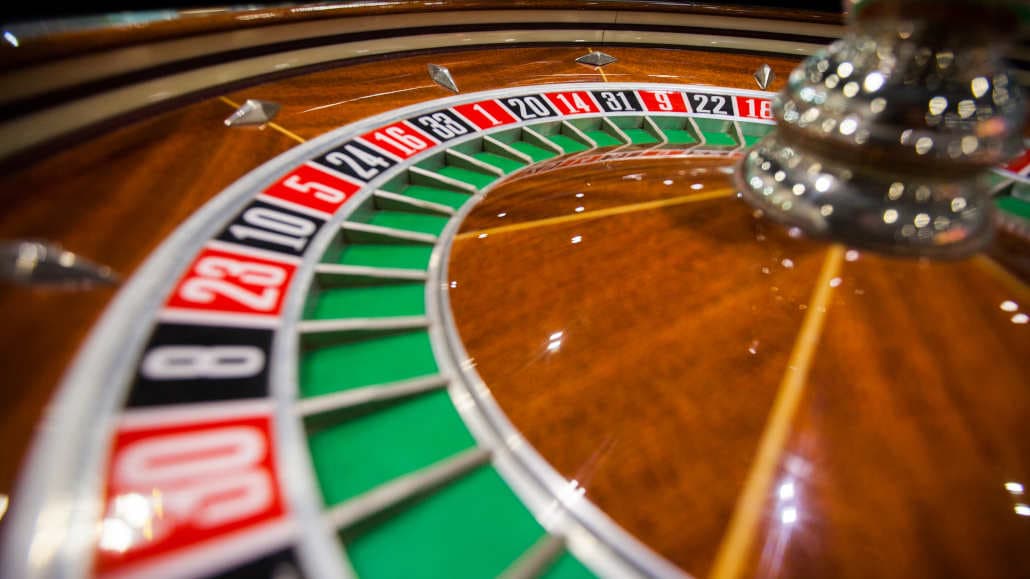
The European roulette wheel is a cornerstone of casinos worldwide, celebrated for its player-friendly design. To master the game, you first need to understand its core component: the wheel itself.
The wheel features 37 pockets in total. These include numbers from 1 to 36, which are alternately colored red and black, and a single green pocket for the number 0. This single zero is the crucial difference from American roulette, which has an additional double-zero pocket ('00').
While the number sequence on the wheel might seem random, it's carefully arranged to ensure a balance of high/low and odd/even numbers. On each side of the green 0, there is a specific distribution:
- Right of Zero: Low black numbers (2, 4, 6, 8, 10, 11, 13, 15, 17) and high red numbers (19, 21, 23, 25, 27, 30, 32, 34, 36).
- Left of Zero: High black numbers (20, 22, 24, 26, 28, 29, 31, 33, 35) and low red numbers (1, 3, 5, 7, 9, 12, 14, 16, 18).
European Roulette Board Layout
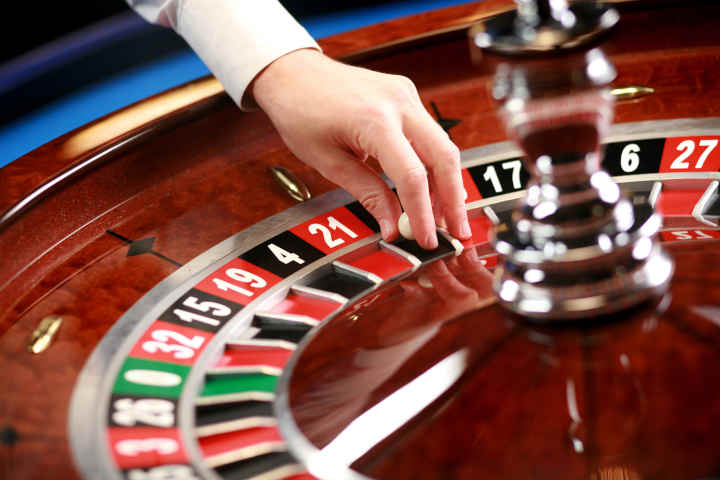
Accompanying the wheel is the betting board, or table layout, where players place their chips. The layout is divided into two main sections that correspond to the two primary categories of wagers: inside bets and outside bets. Let's break down the options in each category.
Inside Bets in European Roulette
Inside bets are wagers placed on specific numbers or small groups of numbers within the main grid. They offer higher payouts but come with lower odds of winning.
- Straight Up: A bet on a single number. It has the highest payout (35:1) but is the most difficult to win.
- Split: A bet on two adjacent numbers. Place your chip on the line separating the two numbers.
- Street: A bet on a row of three numbers. Place the chip on the outer line of the row.
- Corner (or Square): A bet on four numbers that form a square on the board. Place the chip at the intersection where the four numbers meet.
- Six Line: A bet on two adjacent rows of three numbers, covering six numbers in total.
Outside Bets in European Roulette
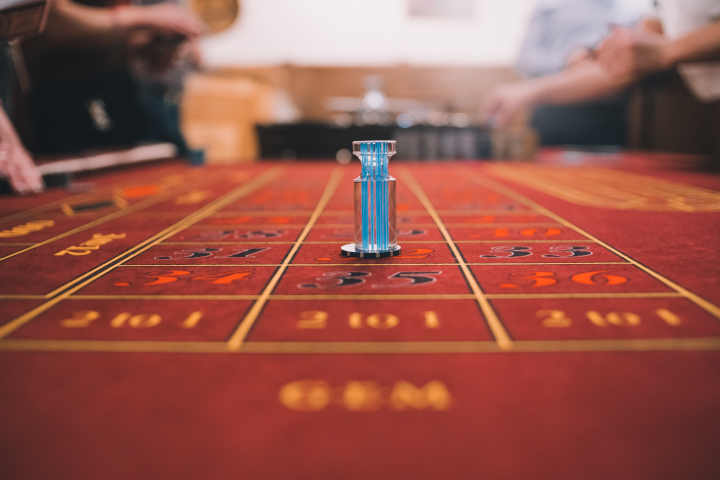
Outside bets are perfect for beginners as they cover large groups of numbers, offering better winning odds with smaller payouts. These bets are placed on the sections outside the main number grid.
- Red/Black: A bet on whether the winning number will be red or black.
- Odd/Even: A wager on whether the winning number will be odd or even.
- High/Low: A bet that the winning number will be in the low range (1-18) or the high range (19-36).
- Dozens: A bet on one of three groups of twelve numbers: 1-12, 13-24, or 25-36.
- Columns: A bet on one of the three vertical columns of twelve numbers on the board.
The Advantage: European Roulette House Edge
The single most important reason to choose the European roulette wheel over the American version is the house edge. Because of the single zero, the house edge in European roulette is only 2.70%.
In stark contrast, American roulette's two zero pockets (0 and 00) push the house edge up to 5.26%, making it significantly less favorable for the player.
In some variations, primarily French roulette, rules like 'La Partage' can lower the house edge even further. This rule returns half of your even-money bet if the ball lands on zero, effectively cutting the house edge on those bets to just 1.35%.
European Roulette Odds and Payouts
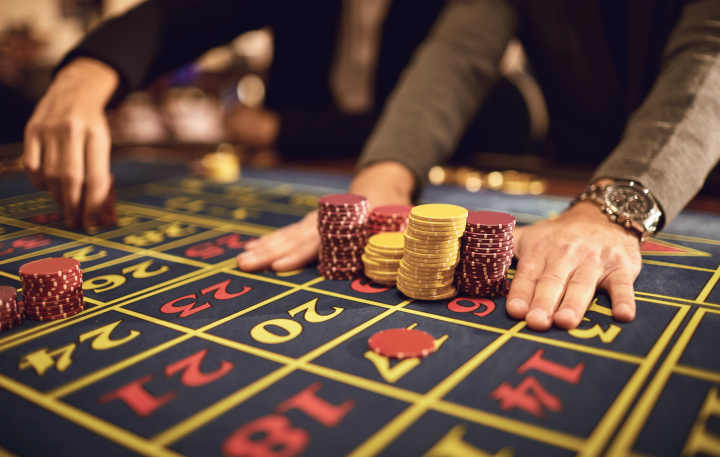
| Type of Bet | Payout | Probability |
|---|---|---|
| Straight Up | 35:1 | 2.70% |
| Split | 17:1 | 5.41% |
| Street | 11:1 | 8.11% |
| Corner | 8:1 | 10.81% |
| Six Line | 5:1 | 16.2% |
| Columns/Dozens | 2:1 | 32.4% |
| Red/Black, Odd/Even, High/Low | 1:1 | 48.64% |
How to Play European Roulette: A Step-by-Step Guide
Playing European roulette is straightforward. Each round follows a simple sequence of events, whether you're playing online or in a land-based casino.
- Place Your Bets: The round begins with players placing their chips on the desired bets on the table layout. The croupier is there to assist if needed.
- The Wheel Spins: The croupier spins the wheel in one direction and the ball in the opposite. You can typically continue placing bets for a short time after the spin begins.
- No More Bets: The croupier will announce "no more bets" and wave their hand over the table. All betting must cease at this point.
- The Result: The ball settles into a numbered pocket. The croupier announces the winning number and places a marker on it on the table.
- Payouts: The croupier clears all losing bets from the table and then pays out all winning bets. Once the marker is removed, the next round of betting can begin.
Top European Roulette Betting Strategies
While roulette is a game of pure chance, some players use betting strategies to manage their bankroll. It's crucial to remember that no strategy can guarantee a win or overcome the house edge. These systems are about managing your money, not predicting the outcome.
The Martingale Strategy
This is a high-risk strategy. You start with a small bet on an even-money wager (like Red/Black). If you lose, you double your bet for the next spin. You continue doubling after every loss until you win, at which point you return to your original bet size.
The D’Alembert Strategy
A safer alternative to the Martingale. You increase your bet by one unit after a loss and decrease it by one unit after a win. It's less aggressive and designed for smaller, more consistent sessions.
The Fibonacci Strategy
This strategy uses the famous Fibonacci sequence (1, 1, 2, 3, 5, 8...). You move one step forward in the sequence after a loss and two steps back after a win. It's more complex but less volatile than the Martingale system.
Is European Roulette the Right Game For You?
If you're looking for a classic casino game that's easy to learn but offers plenty of excitement, European roulette is an excellent choice. Its favorable house edge makes it the superior version of roulette for any player, from beginners to seasoned veterans. By understanding the wheel, the bets, and responsible bankroll management, you can fully enjoy every spin.


