



What Are Skill-Based Slots and Why Are They Unpopular?
Slot games represent the most diverse category in the gambling industry, offering themes and betting ranges to suit any player. Among these are skill-based slots, a hybrid designed to incorporate player ability into the outcome. Despite this innovative approach, these machines are often the least popular on the casino floor. They were intended to bridge a gap, but instead, they've struggled to find an audience. So, why do so many gamblers actively avoid skill-based slot machines? Let's explore the top four reasons for their unpopularity.
1. A Game Without a Target Audience
One of the biggest problems with skill-based slots is their failure to connect with a specific demographic. They attempt to cater to both veteran slot enthusiasts and younger, tech-savvy players but ultimately miss the mark with both groups.
- Traditional Players: Many seasoned gamblers appreciate slots for their simplicity. They aren't looking for complex bonus rounds that require hand-eye coordination; they prefer the straightforward, luck-driven excitement of classic machines.
- Younger Generations: Conversely, younger players who grew up with sophisticated video games find the skill elements in these slots to be rudimentary. The gameplay often resembles arcade games from the 1980s rather than modern, immersive experiences, making them unappealing.

2. The Misleading Promise of High RTP
With standard slot machines, the Return-to-Player (RTP) is a fixed percentage. In contrast, the RTP on skill-based slots can vary dramatically based on your performance. A highly skilled player theoretically achieves a better return over time than a novice. However, this creates a misleading picture.
While a game might advertise an RTP approaching or even exceeding 100%, this figure is based on flawless execution. As one expert noted:
It’s only possible if you play every spin perfectly all the time, which no player can do.
This means that for the average person, the actual RTP often falls below that of a standard, luck-based slot. The pressure to perform perfectly turns what should be a fun experience into a frustrating one, where mistakes directly lower your potential returns.
3. A Limited and Uninspired Game Selection
The lack of popularity has created a classic chicken-or-egg scenario for developers. Players are hesitant to try skill-based slots because the selection is so small and unvaried. At the same time, developers are unwilling to invest in creating new titles because the demand simply isn't there.
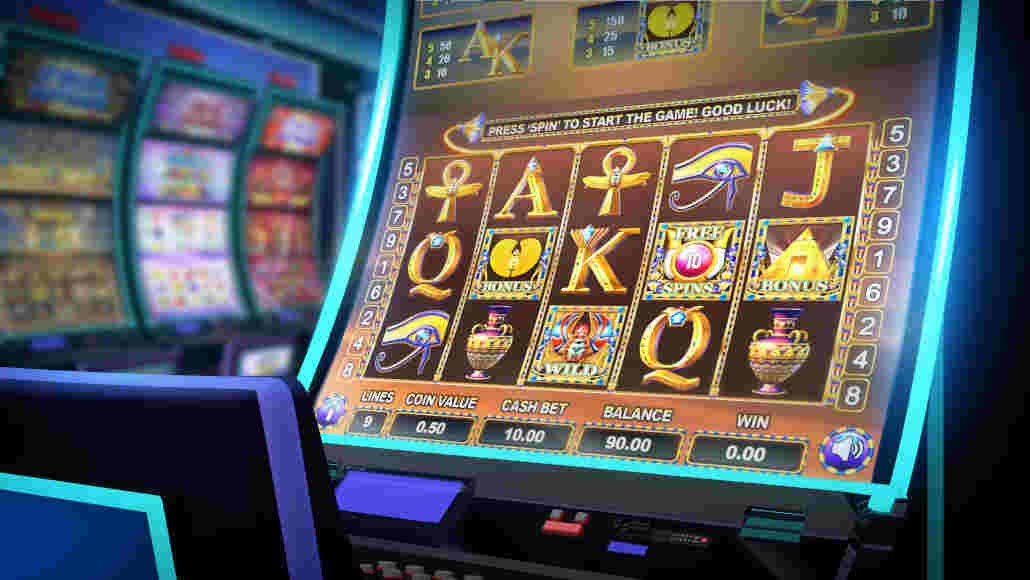
This stagnation means the few available games quickly become repetitive. Without a growing library of exciting and innovative titles, there's little reason for players to choose these machines over the thousands of traditional slot games available.
4. No Clear Advantage Over Other Games
When skill-based slots first appeared, they were hailed as the next big thing in casino gaming. Years later, it's clear they haven't lived up to the hype. The fundamental issue is that they don't offer a compelling advantage over existing game types.
- Compared to Traditional Slots: They lack the simple, relaxing, and purely luck-based fun that makes traditional slots the most popular casino game worldwide.
- Compared to Other Skill Games: They don't offer the strategic depth of games like poker or blackjack, where skill can genuinely lead to long-term profitability.
Ultimately, most players view skill-based slots as a novelty. They might be entertaining for a few spins, but they fail to provide a lasting or rewarding experience, leaving them in a strange middle ground that satisfies no one.


