


The Origins of Pachinko
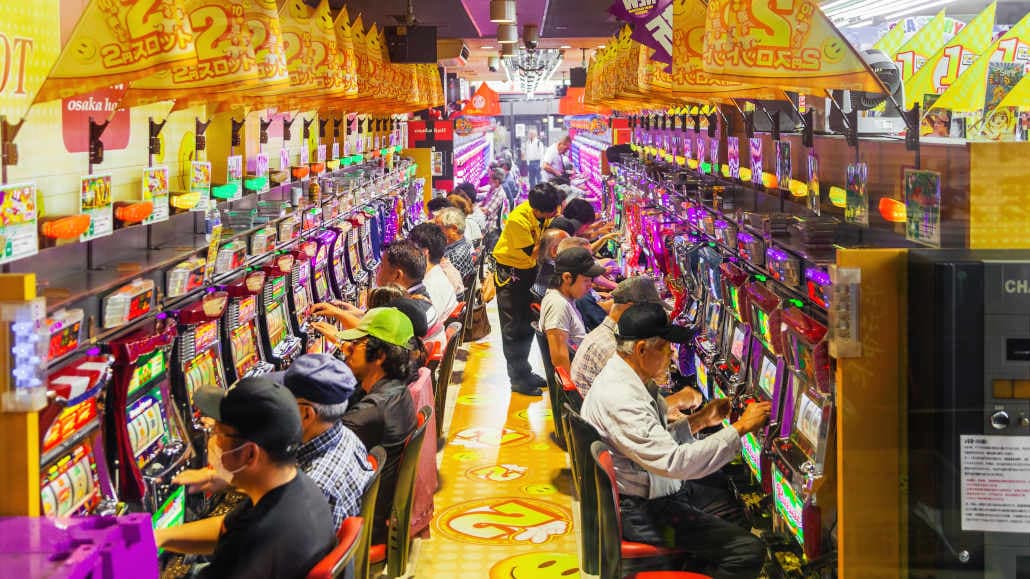
The fascinating Pachinko history begins in the 1920s. The game was inspired by a Western import called Bagatelle, a type of tabletop pinball. The Japanese adapted the concept, creating a vertical version that used small steel balls instead of wooden ones. The first machines were simple wooden constructions, often played by children in parks and gardens.
The game's appeal quickly grew beyond children. Adults became fascinated, leading to the opening of the first dedicated Pachinko parlor in Nagoya in 1930. This marked the start of its transformation from a simple pastime into a major commercial enterprise.
Pachinko's Rise in the Post-War Era
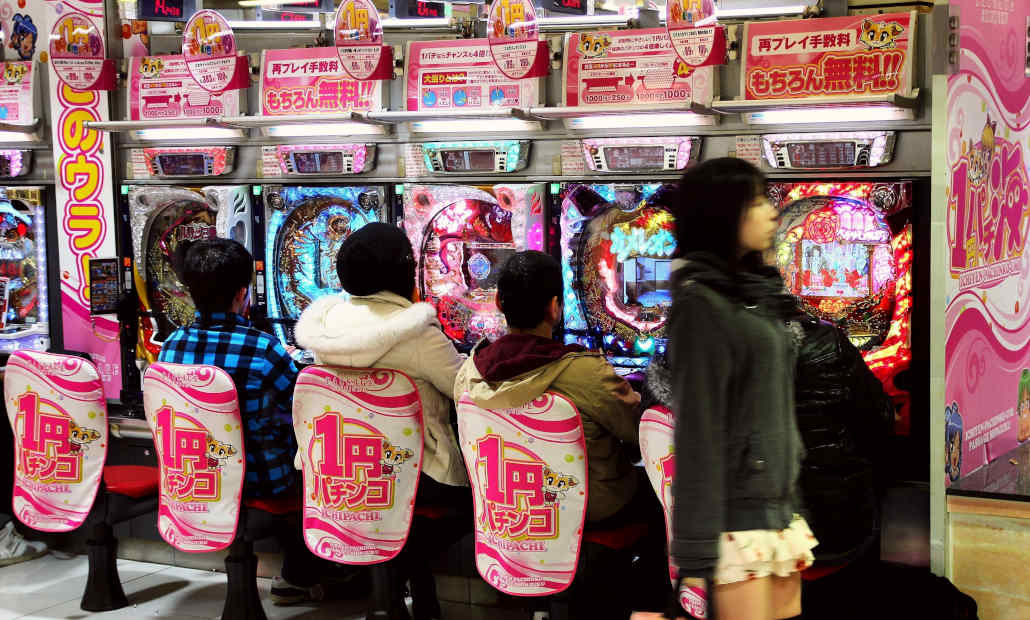
In the aftermath of World War II, Japan faced economic hardship. Pachinko offered an affordable escape and a source of entertainment for a nation rebuilding itself. Its popularity exploded during this period. As the game grew, so did the complexity of the machines.
The late 1940s introduced electric lights and sounds, making the gaming experience more dynamic and captivating.
The 1950s and 1960s saw thousands of Pachinko parlors open across the country. However, this rapid growth was largely unregulated, leading to issues with illegal gambling and connections to organized crime. The parlors developed a reputation as smoky, vice-filled establishments.
Regulation and Modernization
The Japanese government stepped in during the 1970s to address concerns surrounding the industry. Strict licensing requirements and regulations were introduced to ensure fair play and curb criminal involvement. This era of regulation paved the way for modernization. The 1980s heralded a technological revolution for the Pachinko game.
Electronic components, computer-controlled mechanisms, and advanced graphics transformed the gameplay. This period also saw the introduction of pachislot machines, a hybrid game combining Pachinko mechanics with traditional slot machine reels, broadening the appeal of the parlors even further.
Pachinko in Japanese Pop Culture
By the 1990s, Pachinko was more than just a game; it was a cultural institution. To attract new players, machines began featuring popular characters from anime, manga, and video games. These collaborations were incredibly successful, cementing Pachinko's place in modern Japanese entertainment.
Franchises like Evangelion, Lupin the Third, and Fist of the North Star became common themes for machines. Many modern games include elaborate video sequences and storylines, adding a narrative depth that keeps players engaged for hours.
The Digital Age and Modern Parlors
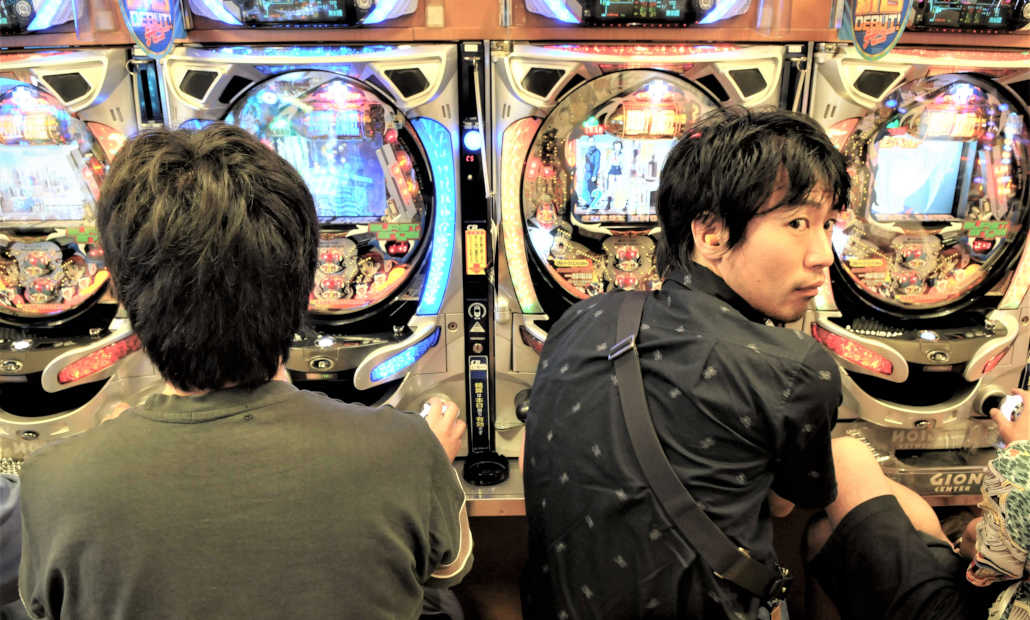
The internet brought new ways to play, with mobile and online versions of Pachinko offering the experience from home. These digital games replicate the mechanics, graphics, and sounds of their physical counterparts. Despite this, physical Pachinko parlors remain immensely popular. Many players prefer the tactile feel of a real machine and the unique social atmosphere of the parlors.
In response to changing tastes, operators have worked to modernize their establishments. Many now feature non-smoking sections, family-friendly areas, and better amenities to attract a wider demographic.
Challenges and the Future of Pachinko
The Pachinko industry is not without its challenges. Japan's aging population means fewer young people are visiting the parlors. Furthermore, the potential legalization of integrated resort casinos could create significant competition, drawing players away from traditional Pachinko.
To remain relevant, the industry must continue to innovate. This could involve integrating new technologies like virtual reality (VR) or developing new game mechanics to attract a younger audience.
Despite a gradual decline in players, the industry's economic impact remains staggering, accounting for a significant portion of Japan's GDP. The history of Pachinko shows its remarkable resilience. From a simple wooden toy, it has evolved into a multi-billion-dollar industry that, while facing an uncertain future, remains an undeniable icon of Japanese culture.


