



What is the Screw Your Neighbor Card Game?
Screw Your Neighbor, also known by names like Cuckoo, Ranter-Go-Round, or Trade Game, is a classic card game that's all about luck, bluffing, and a bit of strategy. The primary objective is simple: don't be the player holding the lowest card at the end of the round. Its easy-to-learn nature makes it a fantastic icebreaker or a staple for any party or family gathering.
The game's origins trace back to Europe as early as the 17th century, proving its timeless appeal as a social pastime.
All you need to play is a standard 52-card deck and at least three people, though it can be adapted for two. Whether you play for bragging rights, small stakes, or as a drinking game, it guarantees a lively atmosphere.
How to Play Screw Your Neighbor: The Rules
Getting started with the Screw Your Neighbor card game rules is quick and easy. The card rankings are standard, with one key exception: Aces are low, and Kings are high. Here’s a step-by-step guide to playing a round.
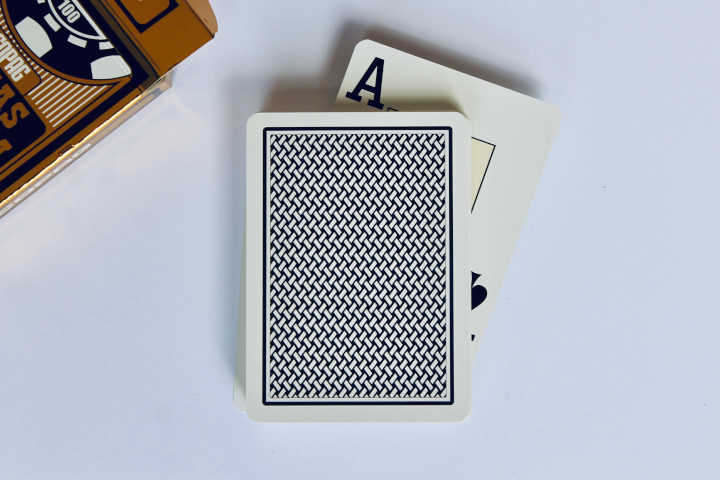
Game Setup and Dealing
- Determine the Dealer: All players draw a card from the deck. The player with the highest card becomes the first dealer.
- Deal the Cards: The dealer shuffles the deck and deals one card face-down to each player, including themselves. The remaining deck is placed in the center.
Gameplay Steps
- The First Player Acts: The player to the dealer's left starts the game. They look at their card and decide to either keep it or swap it with the player to their left.
- The Swap: If a player decides to swap, the player to their left cannot refuse. The swap is final. The goal is to pass off a low card in exchange for a potentially higher one.
- Continue Clockwise: Play continues around the circle, with each player choosing to keep or swap their card with the person to their left.
- The Dealer's Turn: The dealer is the last to act. They can either keep their card or swap it with the top card from the remaining deck.
- The Showdown: After the dealer makes their move, all players reveal their cards. The player with the lowest-value card loses the round.
The King Rule
There's one crucial exception to the swapping rule. If a player is dealt a King, they must immediately turn it face-up. A King cannot be swapped. This means the player to the right of the King holder cannot swap their card with them and is forced to keep what they have.
Fun Ways to Play Screw Your Neighbor
The basic rules are fun, but the game truly shines with a few variations. Here are the two most popular ways to spice things up:
- Betting Game: To raise the stakes, have each player contribute a set amount (e.g., a dollar or a chip) to a central pot at the start. The player who loses each round is eliminated. The last player remaining wins the entire pot.
- Drinking Game: For a more adult-oriented party, turn it into a Screw Your Neighbor drinking game. Instead of being eliminated, the player with the lowest card takes a drink. You can add house rules, like everyone drinks if the dealer draws a King.

Best Strategies for Winning
While luck plays a huge role, a solid Screw Your Neighbor strategy can improve your odds. Your approach should change based on the number of players.
Strategy for Two Players
With only two players, the game becomes more tactical.
- First Position: You should always switch if you have a 6 or lower. Always stand pat with an 8 or higher. A 7 is your call, but switching is often the better move.
- Second Position: You should always switch with a 7 or lower and stand with a 9 or better. An 8 is a judgment call, but standing is generally preferred.
Strategy for Three or More Players
In a larger group, your position relative to the dealer is key.
- General Rule: Always stand if you receive a better card than the one you passed. If you get a worse card, pass it along unless you're blocked by a King.
- Positional Plays: The first player should switch on a 6 or less. If the first player stands, the second player should switch on a 6 or less. If the first two players stand, the third player should be more aggressive and switch on a 7 or less.
By following these simple guidelines, you can make more informed decisions and increase your chances of not getting 'screwed' by your neighbor. It's a game of fun and quick turns, making it a perfect party card game for any occasion.


