
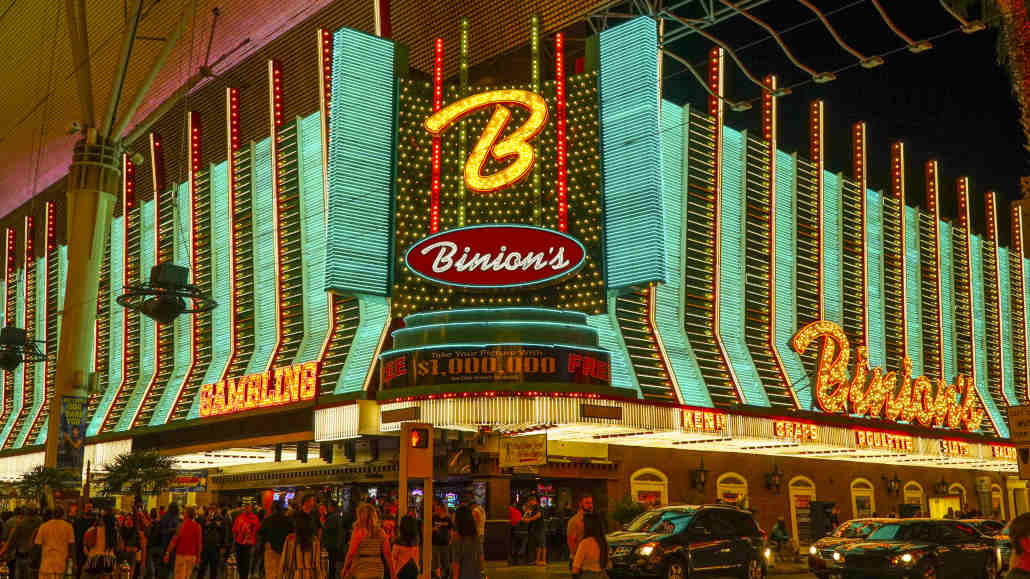


The Life and Times of a Casino Prince
Ted Binion's life reads like a screenplay for a gritty crime drama. Born in 1943 to the legendary casino owner Benny Binion, Ted was groomed to take over the family business, the iconic Binion's Horseshoe Casino. By 21, he was helping run the show after his father, a convicted criminal, was barred from holding a gaming license.
For three decades, Ted was a fixture of the Las Vegas scene. He lived a lavish lifestyle, mingling with high-rollers and becoming known for his nightly flirtations. But his life was turbulent. He battled drug addiction, associated with known mob figures, and was arrested for drug trafficking in 1986. After his father's death in 1989, a bitter feud with his siblings for control of the casino erupted. Though he held on to power for nearly another decade, his personal demons eventually caught up with him.
A Downward Spiral
In his final years, Ted Binion's life unraveled. His drug use escalated, leading to the suspension of his gaming license. He sold the family ranch, and his estranged wife left him, taking their daughter. By 1998, the man who once sat atop a Las Vegas empire had lost almost everything. A key part of his wealth was a massive silver collection, which he was forced to move from the casino vault and bury in a secret bunker in the desert.
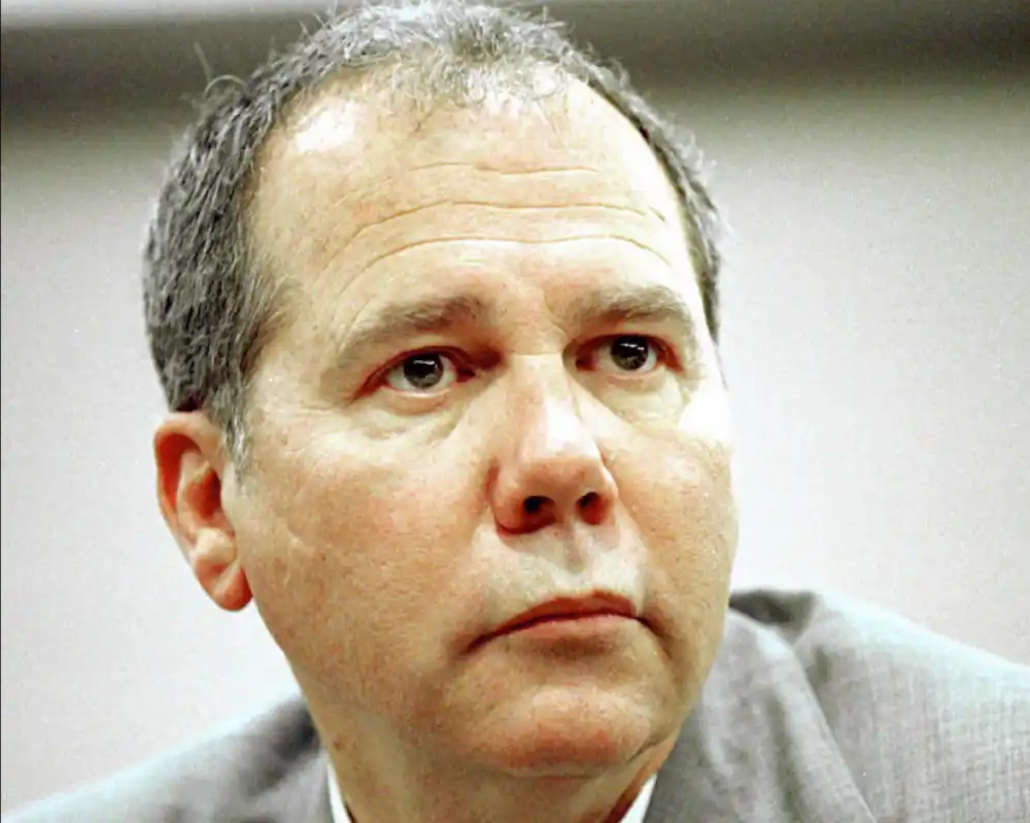
The Ted Binion Death Investigation
On September 17, 1998, Ted Binion was found dead on a mattress in his Las Vegas home by his girlfriend, Sandy Murphy. The initial Ted Binion death scene, with empty prescription bottles nearby, pointed towards an overdose of Xanax and heroin. The coroner initially ruled it a suicide, a theory supported by Murphy, who claimed Binion was despondent over losing his casino license.
However, Binion’s sister, Becky, immediately rejected the idea of suicide. She, along with Binion's lawyer, insisted Ted had been making plans for the future and would not have taken his own life.
Investigators found several inconsistencies. The way heroin was found in his stomach was unusual for an overdose. Then, just days after his death, a man named Rick Tabish was caught digging up Binion's buried silver treasure in the desert. Tabish claimed Binion had instructed him to do so in the event of his death, but police suspected he was trying to steal the multi-million dollar cache. This event connected Tabish to the case and raised suspicions of foul play.
Trial, Retrial, and an Unsolved Mystery
The mounting evidence led the coroner to reclassify the death as a homicide in May 1999. Investigators soon uncovered a romantic affair between Sandy Murphy and Rick Tabish. The theory was that the pair conspired to murder Binion for his fortune. In June 1999, they were arrested and charged with his murder.
The prosecution argued that Murphy and Tabish forced Binion to ingest a fatal cocktail of drugs and then suffocated him. In May 2000, a jury agreed, finding both guilty of murder. Murphy was sentenced to 22 years to life, and Tabish received 25 to life.

The Verdict Overturned
The story took another dramatic turn in 2003 when the Nevada Supreme Court overturned the convictions, citing errors in the jury instructions. A retrial was ordered.
In November 2004, a new jury acquitted both Murphy and Tabish of murder. They were, however, convicted on lesser charges of grand larceny and burglary related to the silver. Murphy was released for time served, while Tabish was paroled in 2010.
The Legacy and Lingering Questions
The Ted Binion death remains one of Las Vegas's most enduring mysteries. Was it a tragic suicide by a man who had lost everything, or a cleverly executed murder by a greedy couple? The acquittal left the question officially unanswered.
The case also highlighted Binion's eccentric life, including his buried treasure. The vault contained an estimated $7 to $14 million in silver bars, rare coins, and casino chips. Much of it was returned to his estate, but a significant portion remains unclaimed.
Ted Binion is remembered as a complex figure: a math whiz and friendly casino host who knew his customers by name, but also a paranoid drug addict who associated with dangerous people. His story serves as a cautionary tale of a life consumed by the excesses of Las Vegas, leaving a legacy defined not by his family's casino empire, but by the controversy of his final days.


