



Unpacking the Las Vegas Water Supply System
Las Vegas, a vibrant city in the middle of the Mojave Desert, faces a constant challenge: securing a reliable water supply. The city's growth and survival depend on a complex system that draws from multiple sources and emphasizes aggressive conservation and recycling. Understanding this system is key to grasping the future of Las Vegas.
The Colorado River and Lake Mead: The Primary Lifeline
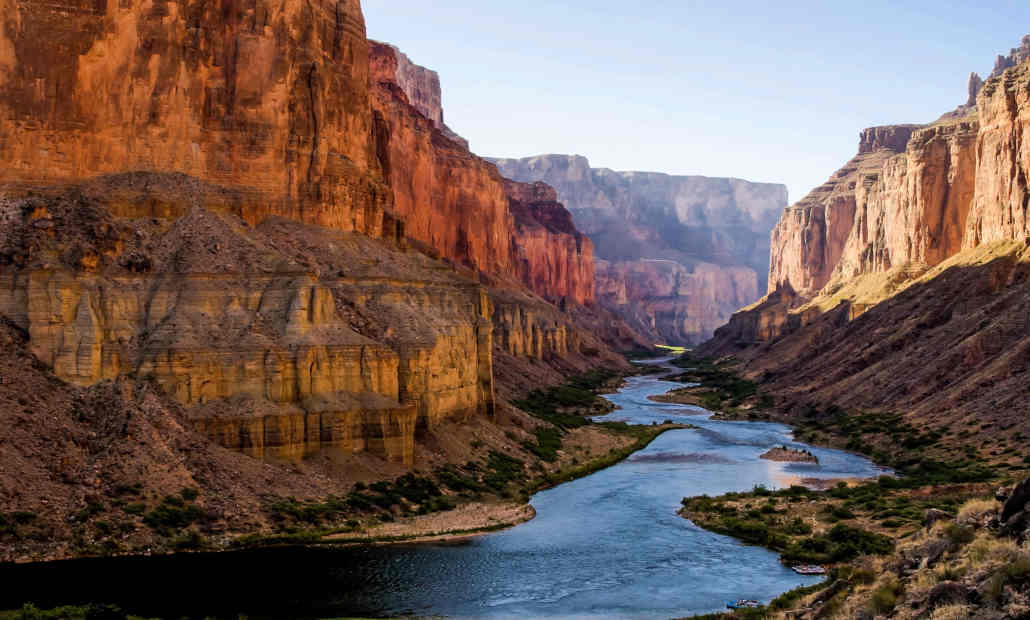
The vast majority of the Las Vegas water supply, nearly 90%, originates from the Colorado River. This water is stored in Lake Mead, the nation's largest reservoir, created by the monumental Hoover Dam just 24 miles from the city. The Southern Nevada Water Authority manages this allocation.
The Colorado River is a critical resource, supplying water to millions across seven U.S. states and Mexico. Nevada's annual share is 325,851 gallons, primarily drawn from Lake Mead.
Most of this water begins as snowmelt from the Rocky Mountains, feeding the river system that eventually fills the reservoir. Lake Mead is the cornerstone of the water infrastructure for Nevada, Arizona, California, and Mexico.
Local Groundwater: A Vital Secondary Source
While the Colorado River is the main provider, about 10% of the city's water comes from local groundwater within the Las Vegas Valley. This underground water is replenished by rainfall and snowmelt from surrounding mountains. Historically, before modern infrastructure was built in the 1970s, groundwater was the city's primary lifeline. Today, it remains an integral part of a diversified water strategy.
Advanced Water Recycling: A Conservation Cornerstone
Las Vegas has implemented one of the most sophisticated water recycling systems in the world. This is crucial because about 60% of total water is used outdoors for irrigation and evaporates, making it impossible to reclaim. In contrast, 99% of indoor water is recycled.

When water goes down a drain from a sink, shower, or toilet, it enters the sewer system and is sent to a wastewater treatment facility. There, it is treated to meet clean water standards and returned to the Colorado River via the Las Vegas Wash, eventually flowing back into Lake Mead. This incredible system allows Las Vegas to reuse its indoor water supply effectively.
How Much Water Does Las Vegas Actually Have?
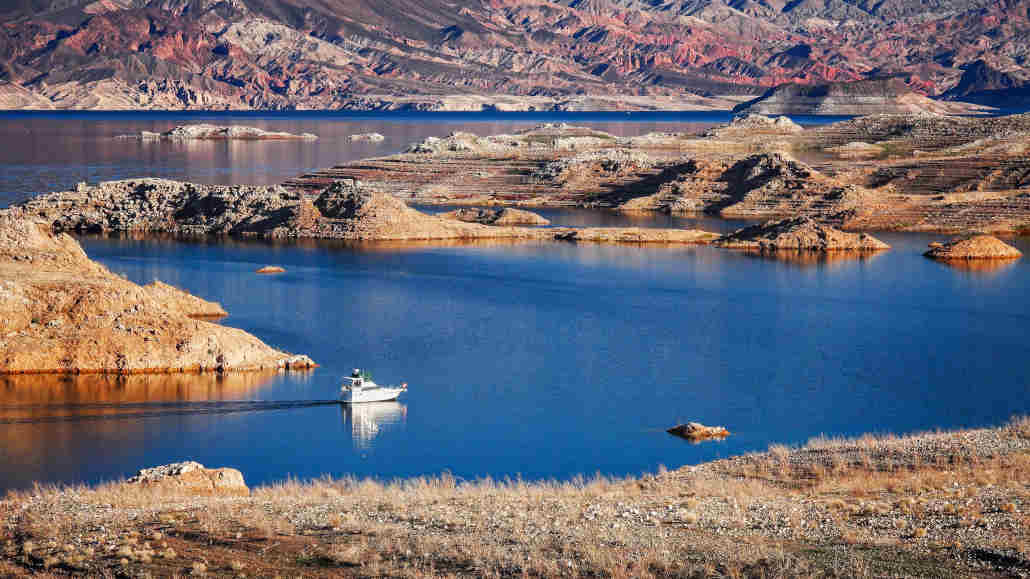
The question of Las Vegas's water quantity is complex. Lake Mead's capacity is massive, but the reservoir is at historically low levels. Since 1983, it has not reached full capacity, and as of mid-2022, it was only at about 27% capacity. This decline is driven by prolonged drought and increasing demand, raising serious concerns about the long-term viability of this Las Vegas water source.
What Happens if Las Vegas Runs Out of Water?
While officials state the city is well-supplied for the near future, a complete water shortage would be catastrophic. The most immediate problem would be the lack of drinking water, fundamentally altering life in the city. Beyond that, the Hoover Dam water supply is also used to generate electricity. A significant drop in water levels could halt power generation, affecting not only Nevada but also Arizona and California. Such a crisis could lead to a mass exodus, turning a bustling metropolis into a ghost town.
Is Las Vegas Using Too Much Water?
Data suggests that Las Vegas households use two to three times the national average for water consumption. This high usage is partly due to the desert climate but also influenced by historically low water prices. The city has implemented programs and fines to encourage Las Vegas water conservation, but more drastic measures may be needed.
Conservation Efforts: What Homeowners Can Do
Every resident can contribute to conserving water. Here are some effective strategies:
- Regularly inspect plumbing and fix leaks immediately.
- Take shorter showers and turn off the tap while brushing teeth.
- Only run full loads in washing machines and dishwashers.
- Water lawns less often but more deeply to encourage strong roots.
- Replace grass with drought-resistant landscaping (xeriscaping).
How Much Water Do Las Vegas Casinos Use?
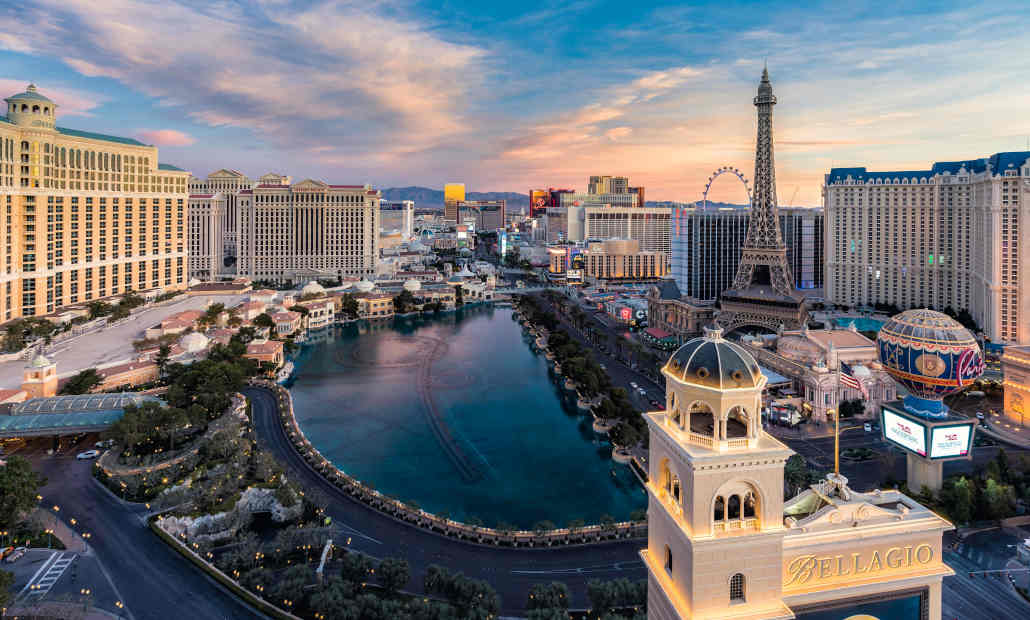
Surprisingly, Las Vegas casinos and resorts account for less than 10% of the city's total water consumption, a figure that has remained stable. This is due to strict regulations. For example, casinos cannot have natural grass on their properties and must adhere to water usage limits for golf courses and other features. Because most of their water use is indoors, it is captured and recycled, minimizing their net impact on the Las Vegas water supply.
The Big Question: Will Las Vegas Run Out of Water?
For now, the answer is no. Las Vegas is not in immediate danger of running out of water thanks to its proactive conservation, recycling programs, and diversified sources. However, the city remains vulnerable. Events like major wildfires can contaminate watersheds, and prolonged drought continues to shrink the Colorado River. The harsh reality is that water shortages will likely become a more frequent concern in the coming decades. Continued innovation and a collective commitment to conservation are essential to ensure Las Vegas can thrive in its desert environment.


