
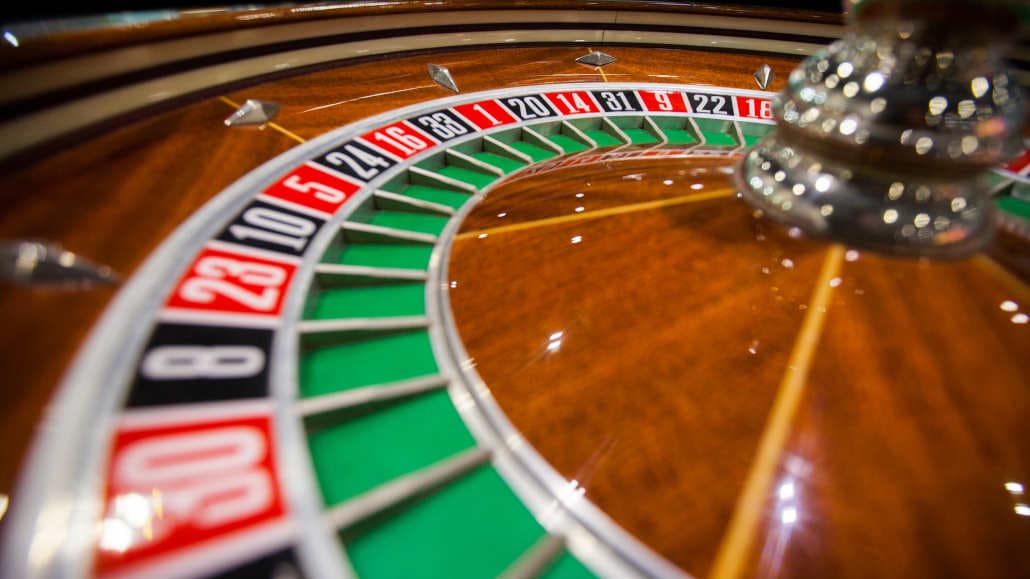


The European Roulette Wheel Explained
Before diving into strategy, it's crucial to understand the basics of the European roulette wheel. The wheel is divided into 37 pockets. These include the numbers 1 through 36, which are alternately colored red and black, and a single green pocket for the number 0. This single zero is the key feature that distinguishes it from American roulette, which has an additional double zero ('00') pocket.
The sequence of numbers on the European roulette wheel might seem random, but it's strategically arranged to ensure a balanced distribution. On each side of the green 0, there are nine black numbers and nine red numbers. To the right of the zero, you'll find low black numbers and high red numbers. Conversely, to the left, you'll find high black numbers and low red numbers.
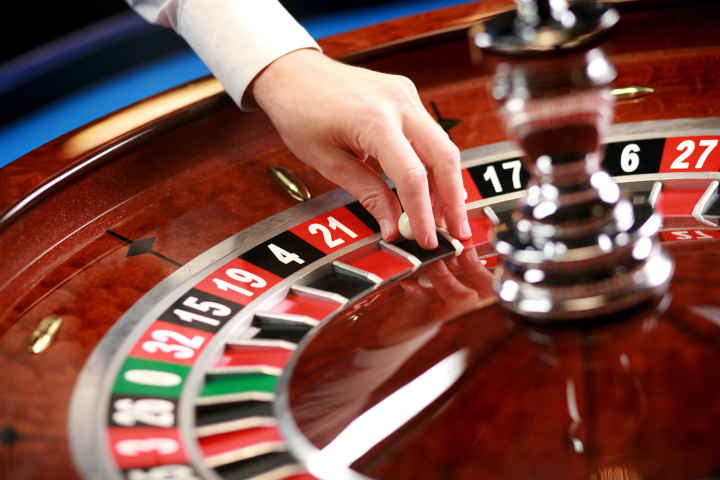
European Roulette Board Layout
The betting board, or table layout, is where players place their chips. It's typically covered in green felt and mirrors the numbers on the wheel. The layout is divided into two main sections for the two primary categories of wagers: inside bets and outside bets. Understanding this layout is essential for learning how to play European roulette effectively.
Inside Bets in European Roulette
Inside bets are wagers placed on specific numbers or small groups of numbers inside the main number grid. They offer higher payouts but have lower odds of winning. Here are the common inside bets:
- Straight Up: A bet on a single number. It has the highest payout at 35:1.
- Split: A bet on two adjacent numbers, placed on the line between them.
- Street: A bet on a row of three numbers, placed at the end of the row.
- Corner (or Square): A bet on four numbers that form a square on the grid, placed at the corner where they meet.
- Six Line: A bet covering two adjacent rows of three numbers each, totaling six numbers.
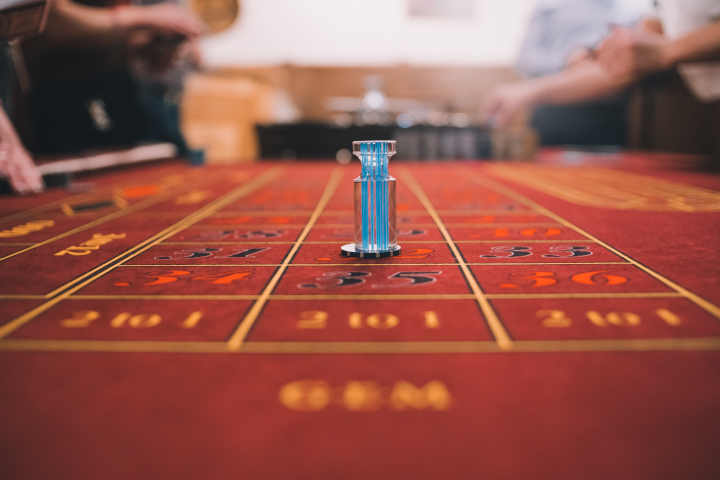
Outside Bets in European Roulette
Outside bets are placed on the sections surrounding the main number grid. They cover larger groups of numbers, offering lower payouts but significantly better winning odds, making them ideal for beginners.
- Red/Black: A bet on whether the winning number will be red or black.
- Odd/Even: A bet on whether the number will be odd or even.
- High/Low: A bet on whether the number will be in the low range (1-18) or the high range (19-36).
- Dozens: A bet on one of three groups of 12 numbers (1-12, 13-24, or 25-36).
- Columns: A bet on one of the three vertical columns of 12 numbers.
Understanding the House Edge
One of the biggest advantages of European roulette is its favorable roulette house edge. At just 2.70%, it's nearly half that of American roulette, which stands at 5.26% due to the extra double-zero pocket. This lower edge means that, over time, players are statistically likely to lose less money.
The lower house edge is the primary reason why experienced players almost always choose the European version of the game over the American one.
Some casinos, particularly those offering French Roulette (a variation of European), feature the 'La Partage' rule. If this rule is in play, you receive half of your even-money bet back if the ball lands on zero. This special rule cuts the house edge on those bets even further down to a remarkable 1.35%.
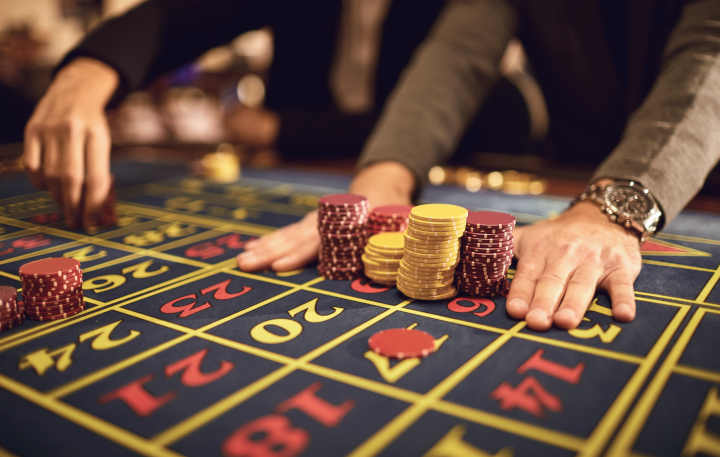
European Roulette Odds and Payouts
| Type of Bet | Payout | Probability |
|---|---|---|
| High/Low | 1:1 | 48.64% |
| Odd/Even | 1:1 | 48.64% |
| Red/Black | 1:1 | 48.64% |
| Dozens | 2:1 | 32.4% |
| Columns | 2:1 | 32.4% |
| Six Line | 5:1 | 16.2% |
| Corner | 8:1 | 10.81% |
| Street | 11:1 | 8.11% |
| Split | 17:1 | 5.41% |
| Straight Up | 35:1 | 2.70% |
How to Play European Roulette: A Step-by-Step Guide
Playing European roulette is straightforward. Each round follows a simple sequence of events, whether you're in a land-based casino or playing online.
- Place Your Bets: The round begins with players placing their chips on the desired spots on the betting table.
- The Spin: The croupier spins the wheel in one direction and the ball in the opposite direction. You can typically continue placing bets for a short time after the wheel is in motion.
- No More Bets: The croupier will announce 'no more bets' once the ball starts to slow down. Any bets placed after this call are void.
- The Outcome: The ball lands in a numbered pocket. The croupier places a marker on the winning number on the table.
- Payouts: All losing bets are collected, and winning bets are paid out according to their odds. Once all payouts are complete, the marker is removed, and a new round of betting begins.
Top European Roulette Betting Strategies
While roulette is a game of chance, several betting strategies can help you manage your bankroll. It's important to remember that no roulette strategy can guarantee a win or overcome the house edge. These systems are about structuring your bets, not predicting the outcome.
The Martingale Strategy
This is a simple but aggressive strategy. You start with a small bet on an even-money wager (like Red/Black). If you lose, you double your bet for the next spin. You continue doubling after every loss until you win, which recoups all previous losses plus your original stake. It's risky because a losing streak can quickly deplete your funds or hit the table limit.
The D’Alembert Strategy
A safer alternative to the Martingale. You start with a base unit bet on an even-money wager. After a loss, you increase your next bet by one unit. After a win, you decrease your next bet by one unit. This system is less volatile and aims for a balance between wins and losses.
The Fibonacci Strategy
This strategy uses the famous Fibonacci sequence (1, 1, 2, 3, 5, 8...). You move one step forward in the sequence after a loss and two steps back after a win. It's more complex but less aggressive than the Martingale, as your bets don't escalate as quickly.


