


The French Roulette Wheel Explained
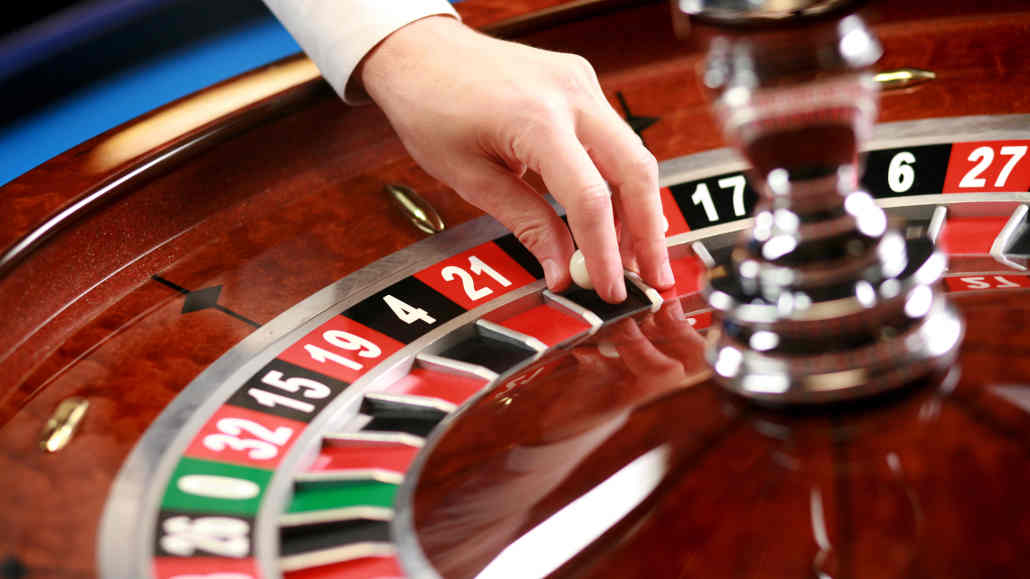
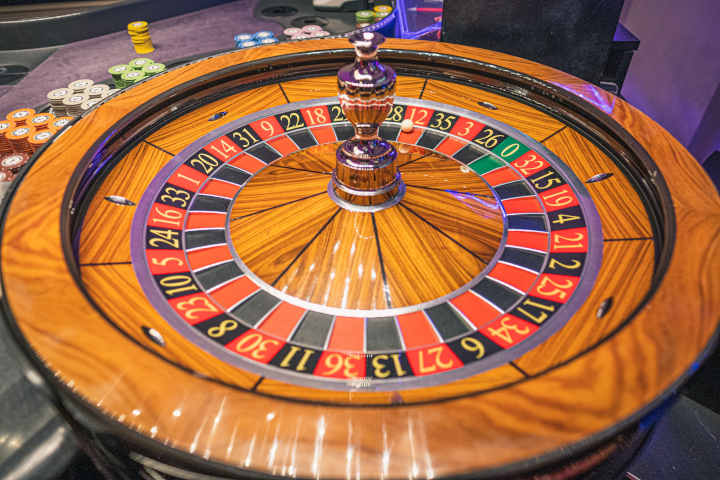
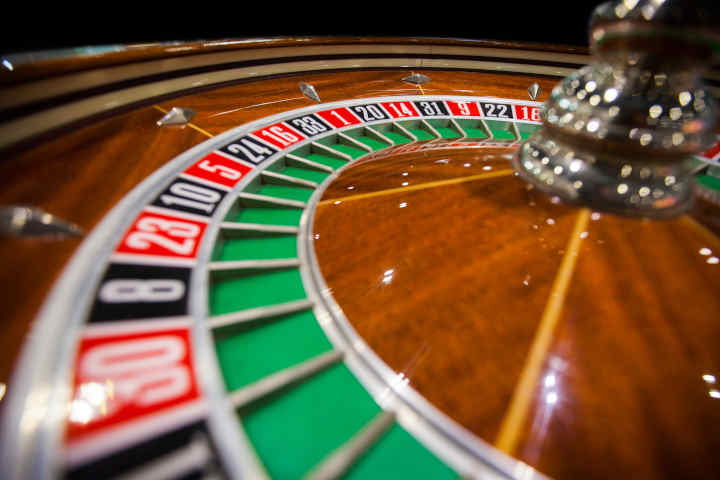
Originating in 17th-century France, roulette has evolved, but the French version is often considered the original and most advantageous for players. The French Roulette wheel looks very similar to its European counterpart, featuring 37 pockets. These include numbers 1 through 36, alternating between red and black, and a single green pocket for the number 0.
This single-zero layout immediately gives it an edge over American Roulette, which has both a 0 and a 00 pocket, effectively doubling the house advantage. The sequence of numbers on the French wheel is identical to the European one, designed to create a balanced distribution of high, low, odd, and even numbers.
Understanding this layout is the first step to mastering the game and moving on to more advanced betting strategies.
Understanding the French Roulette Table Layout
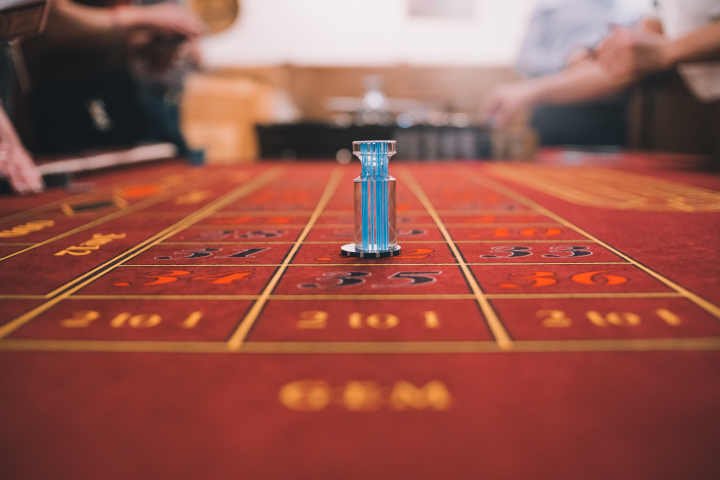
The betting table in French Roulette is divided into two main sections for placing wagers: inside bets and outside bets. The terminology is often in French, adding to the game's classic charm.
Inside Bets
Inside bets are placed on specific numbers or small groups of numbers. They offer higher payouts but come with lower probabilities of winning.
- Straight Up (Plein): A bet on a single number, including 0. It pays 35 to 1.
- Split (Cheval): A bet on two adjacent numbers on the table. It pays 17 to 1.
- Street (Transversale): A bet covering three numbers in a horizontal row. It pays 11 to 1.
- Corner (Carré): A bet on four numbers that form a square on the grid. It pays 8 to 1.
- Line (Sixainne): A bet covering two adjacent streets (six numbers in total). It pays 5 to 1.
Outside Bets
Outside bets cover larger sections of the wheel, offering lower payouts but a higher chance of winning. These are ideal for beginners or those using conservative strategies.
- Columns (Colonne): A bet on one of the three vertical columns of twelve numbers. Pays 2 to 1.
- Dozens (Douzaine): A bet on one of three sets of twelve numbers (1-12, 13-24, or 25-36). Pays 2 to 1.
- Red/Black (Rouge/Noir): A bet on which color the winning number will be.
- Low/High (Manque/Passe): A bet on whether the number will be low (1-18) or high (19-36).
- Odd/Even (Impair/Pair): A bet on whether the number will be odd or even.
Unique Rules: La Partage and En Prison
What truly sets French Roulette apart are two unique rules that apply to even-money outside bets (Red/Black, Low/High, Odd/Even) when the ball lands on zero.
The La Partage and En Prison rules are the key reason the French Roulette house edge is the lowest available, making it the most favorable variant for the player.
The La Partage rule means "the split." If the ball lands on 0, you immediately get half of your even-money bet back. The other half goes to the house. This simple rule cuts the house edge on these bets in half.
The En Prison rule means "in prison." Instead of taking half your bet back, you can choose to leave the bet on the table for the next spin. If your bet wins on the next spin, you get your entire original stake back. If it loses, the house takes the full bet.
Advanced Called Bets (Annonces)
For more experienced players, French Roulette offers "called bets" or "announced bets," which cover specific sections of the wheel.
- Voisins du Zéro (Neighbors of Zero): Covers the 17 numbers on the wheel surrounding the zero (from 22 to 25).
- Le Tiers du Cylindre (Thirds of the Wheel): Covers the 12 numbers opposite the zero on the wheel.
- Orphelins (Orphans): Covers the eight numbers not included in the two bets above.
- Jeu Zéro (Zero Game): A smaller bet covering the zero and the six numbers closest to it on the wheel.
French Roulette House Edge and Payouts
The standard house edge in French Roulette is 2.7%, the same as European Roulette. However, thanks to the La Partage and En Prison rules, the house edge on even-money bets is slashed to just 1.35%. This makes it mathematically the best roulette game to play.
Here’s a breakdown of the bets, payouts, and probabilities:
| Type of Bet | Bet Payout | Probability |
|---|---|---|
| High/Low, Odd/Even, Red/Black | 1 to 1 | 48.64% |
| Dozens, Columns | 2 to 1 | 32.4% |
| Six Line | 5 to 1 | 16.2% |
| Corner | 8 to 1 | 10.81% |
| Street | 11 to 1 | 8.11% |
| Split | 17 to 1 | 5.41% |
| Straight Up | 35 to 1 | 2.70% |
How to Play a Round of French Roulette
Playing French Roulette is straightforward. The game begins with the croupier inviting players to place their bets ("Faites vos jeux"). You then place your chips on the desired spots on the table. The croupier spins the wheel and releases the ball. A short time later, they will announce "Rien ne va plus" (no more bets). Once the ball settles in a pocket, the croupier places a marker on the winning number, clears all losing bets, and pays out the winners.
Popular Betting Strategies
While roulette is a game of chance, several strategies can help you manage your bankroll. Remember, no strategy can guarantee a win.
The Martingale Strategy
This is a simple but risky strategy used on even-money bets. The idea is to double your bet after every loss. When you eventually win, you recover all previous losses plus a profit equal to your original stake. This requires a large bankroll, as a losing streak can escalate bets quickly.
The Fibonacci System
A more conservative approach, this system uses the Fibonacci sequence (1, 1, 2, 3, 5, 8...). You move up the sequence when you lose and move back two steps when you win. It's less aggressive than the Martingale but still requires careful bankroll management.
Should You Play French Roulette?
If you have the choice, French Roulette is almost always the superior option. The incredibly low 1.35% house edge on even-money bets provides the best possible odds for the player. While the French terms and additional rules might seem intimidating at first, understanding them is key to maximizing your chances and enjoying this classic, elegant casino game to its fullest.


