



Discovering the Most Popular Poker Games
If you're searching for a card game that blends skill, strategy, and a bit of luck, learning the best poker games is a fantastic choice. Whether you want to host a game night with friends or test your skills online, understanding the most popular poker variations opens up a world of entertainment. Here are the top games you should learn to have some fun and maybe even win some cash.
1. Texas Hold’em
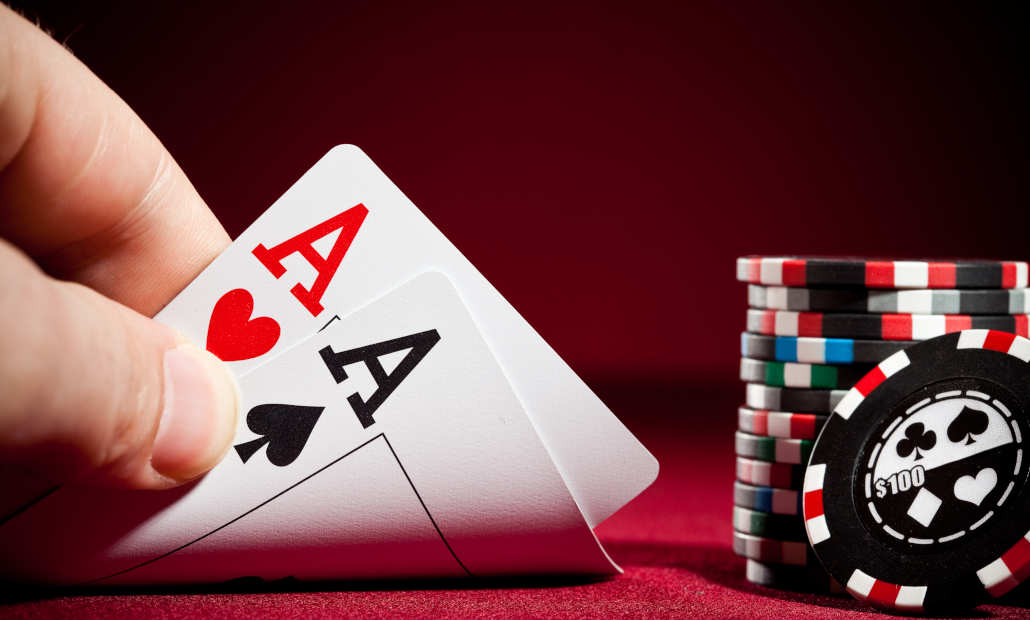
No-Limit Texas Hold’em is, without a doubt, the most popular poker game on the planet. If you learn only one poker variant, this should be it. Mastering its rules allows you to play virtually anywhere, from home games to major online tournaments.
One of the best things about Texas Hold’em is its simplicity. The basic rules are straightforward, and you can learn them in just a couple of hours, making it one of the most accessible and fun card games.
How to Play Texas Hold’em
The game uses a standard 52-card deck. The goal is to make the best five-card hand using a combination of your two private cards (hole cards) and five shared community cards. A hand progresses through several rounds:
- The Blinds: Before any cards are dealt, two players post forced bets called the small blind and big blind to create an initial pot.
- The Pre-Flop: Each player is dealt two hole cards, face down. The first betting round begins, starting with the player to the left of the big blind.
- The Flop: Three community cards are dealt face-up in the middle of the table. A second round of betting occurs.
- The Turn: A fourth community card is dealt face-up. This is followed by a third betting round.
- The River: The fifth and final community card is dealt. The last round of betting takes place.
- The Showdown: If more than one player remains, they reveal their hands. The player with the best five-card combination wins the pot.
2. Omaha Hold’em (Omaha)
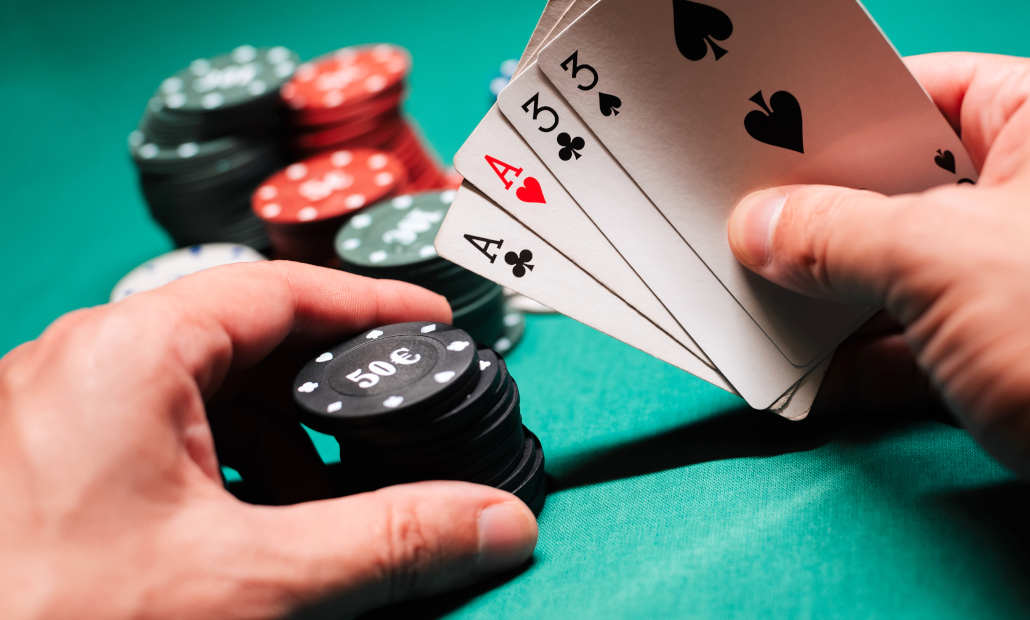
Omaha has surged in popularity to become the second most played poker variation. It's an action-packed game that attracts players who enjoy bigger pots and more complex hand combinations. You can easily find Omaha tables on most reputable online poker sites.
How to Play Omaha
Omaha follows the same betting structure as Texas Hold’em, but with two crucial differences:
- Each player receives four hole cards instead of two.
- Players must use exactly two of their four hole cards and exactly three of the five community cards to make their best hand.
This rule change means that having a strong starting hand is common, leading to more betting and larger pots. Omaha is typically played as a pot-limit game (Pot-Limit Omaha or PLO), where the maximum bet is the current size of the pot. A popular sub-variant is Omaha 8-or-Better, where the pot is split between the best high hand and the best qualifying low hand.
3. Seven-Card Stud

Before the massive poker boom, Seven-Card Stud was the most popular game. It remains a favorite in many home games and among seasoned players who appreciate its more strategic pace. Unlike Hold'em or Omaha, there are no community cards.
How to Play Seven-Card Stud
The objective is to make the best five-card hand from the seven cards you are dealt. The game unfolds over several betting rounds called "streets":
- Ante and Third Street: All players place an ante. Each player receives three cards: two face-down and one face-up. The player with the lowest face-up card starts the betting.
- Fourth, Fifth, and Sixth Streets: Each active player receives another face-up card, followed by a betting round. The player with the best visible hand starts the betting on these streets.
- Seventh Street (The River): Each player gets a final, seventh card face-down. A final betting round occurs.
- Showdown: Players reveal their cards, and the one with the best five-card hand wins the pot.
4. 2-7 Triple Draw
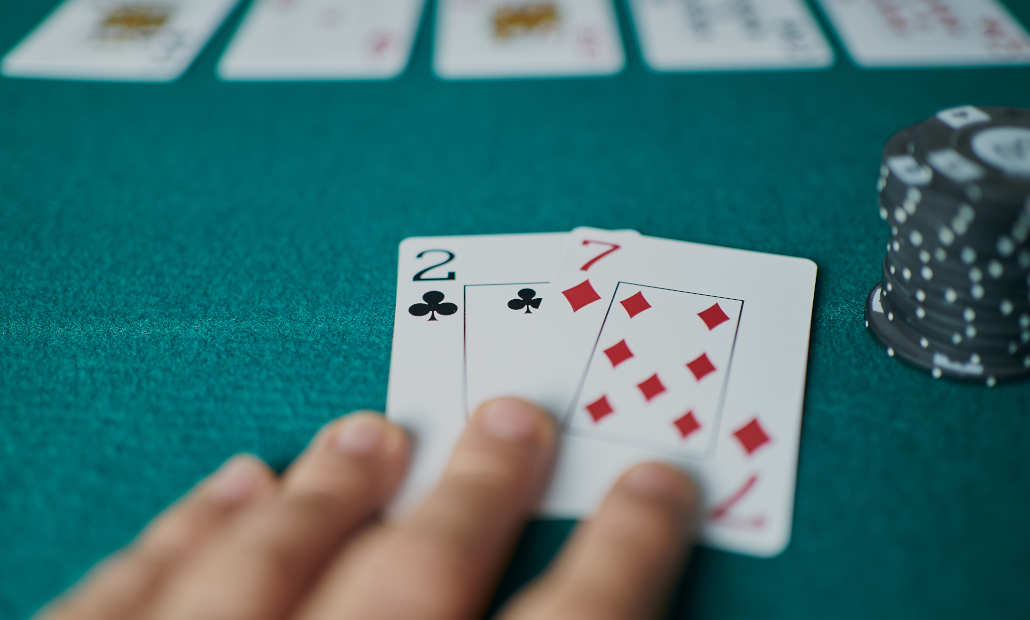
If you're looking for a different kind of challenge, 2-7 Triple Draw is one of the best poker games to learn. In this "lowball" game, the goal is to make the lowest possible five-card hand. The game is played with a maximum of six players and involves three drawing rounds, creating plenty of opportunities for bluffing and strategic play.
How to Play 2-7 Triple Draw
The best possible hand is 2-3-4-5-7 (not of the same suit). Aces are always high, and straights and flushes count against you, making them bad hands. The game starts with blinds, and each player gets five cards. There are four betting rounds, with a drawing round after the first three where players can discard any number of cards (from zero to five) and receive new ones.
5. Open-Face Chinese Poker (OFC)

Open-Face Chinese Poker has become incredibly popular in recent years, especially on mobile apps. It’s not a traditional poker game with betting rounds but is instead played for points. Players draw cards one by one to set a total of 13 cards into three hands:
- Top: A three-card hand.
- Middle: A five-card hand.
- Bottom: A five-card hand.
The bottom hand must be stronger than the middle, and the middle must be stronger than the top. Players compare their three hands against their opponents' corresponding hands to score points. It's a highly strategic game that's both fun and complex.


