
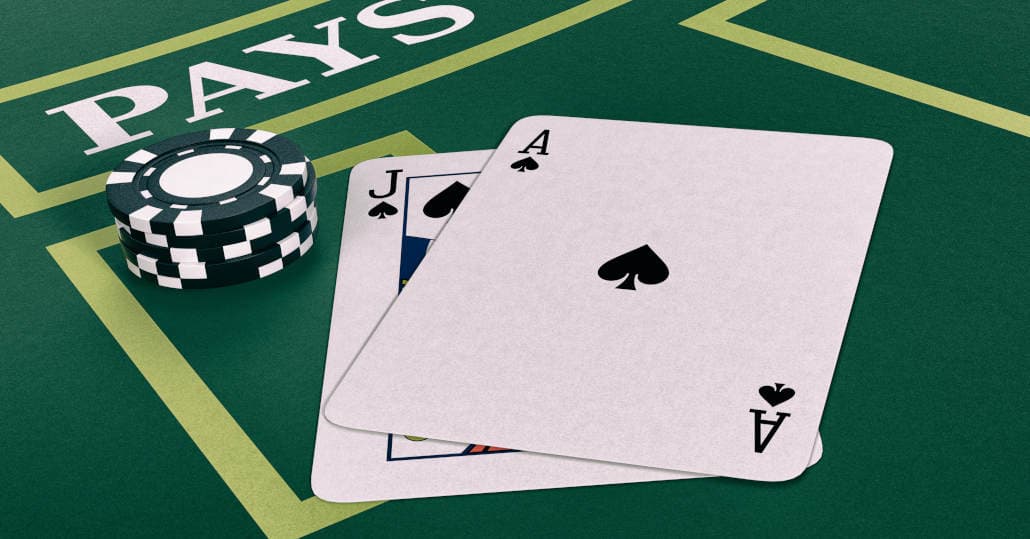


What Is Surrender in Blackjack?
The blackjack surrender rule is a simple but effective money-saving action. It allows you to give up your hand immediately after the initial deal. In exchange, you lose only half of your original bet, with the other half returned to you. The core idea is to cut your losses when you're dealt a particularly weak hand against a strong dealer up-card.
Essentially, the blackjack surrender rule provides an option to quit while you're only partially behind. Instead of playing out a round with a high probability of losing your entire wager, you can salvage 50% of it.
This play is a favorite among professional players who focus on maximizing the value of every hand. However, it's important to remember that not all casinos offer the surrender option. Always confirm with the dealer if this rule is in play before you place your bets to avoid any confusion at the table.

Types of Blackjack Surrender Rules
Player opinions on surrendering are often divided. Some view it as an unfavorable play that guarantees a loss, while others see it as a game-changing tool. To make an informed decision, you must understand the two distinct types: early and late surrender. Knowing the difference is critical for applying the correct strategy.

Early Surrender
Early surrender blackjack allows you to forfeit your hand immediately after the cards are dealt, before the dealer checks their hole card for a natural blackjack. This is the more player-friendly version of the rule. It gives you an out regardless of whether the dealer has a 21 or not. When you make an early surrender, you always get half of your initial bet back. Because this option significantly benefits the player, reducing the house edge by approximately 0.6% when used with basic strategy, it is quite rare in modern casinos.
Late Surrender
Late surrender blackjack also lets you give up your hand for half your bet back, but with a crucial difference. You can only make this move after the dealer has checked for a natural blackjack. If the dealer has a blackjack, the surrender option is no longer available, and you lose your entire bet. You can only use the late surrender play if the dealer confirms they do not have a natural. This version is much more common in casinos as it has a smaller impact on the house edge, reducing it by only about 0.1%.
When to Surrender in Blackjack
While surrendering might seem like a good escape from many bad hands, optimal strategy dictates using it in very specific situations. Using it correctly is key to leveraging its benefits.
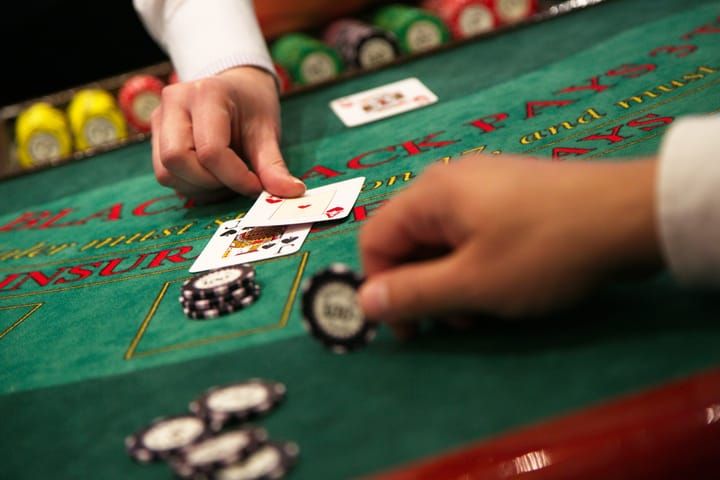
Early Surrender Strategy
If you're lucky enough to find a table with this rule, here are the prime scenarios to use it:
- Dealer shows a 10-value card: Surrender if you have a hard total of 14, 15, or 16.
- Dealer shows an Ace: Surrender if you have a pair of 3s, 6s, 7s, or 8s. Also, surrender any hard total from 5-7 or 12-17.
Late Surrender Strategy
The decisions for late surrender are more limited. Here’s when to surrender in blackjack with the late rule:
- Dealer shows an Ace: Surrender with a hard total of 15. The exception is if the dealer must hit on a soft 17. Also, surrender with a hard 17 if the dealer must stand on a soft 17.
- Dealer shows a 10-value card: Surrender if you have a hard total of 16 (but not a pair of 8s, which you should split).
When You Should Not Surrender
Just as important as knowing when to surrender is knowing when to avoid it. Making the wrong move can be just as costly as not surrendering when you should.
Avoiding Early Surrender
Even with this powerful option, never surrender in these cases:
- Dealer shows a 10, and you have a hard 14: If your 14 is made of 10-4 in a double-deck game or 10-4 or 9-5 in a single-deck game, you should stay in.
- Dealer shows a 10, and you have 8-8: If the rules allow doubling after a split, you should always split your 8s instead of surrendering.
Avoiding Late Surrender
Resist the urge to surrender in these common late surrender scenarios:
- You have a 16, and the dealer shows a 9: It may seem like a bad spot, but your odds are better hitting than surrendering against a dealer's 9.
- You have a 15 or 17 when the dealer hits a soft 17: Sticking with these hands against a dealer who must hit a soft 17 is statistically the better play over the long run.
How to Signal a Surrender in Blackjack
Performing a surrender is simple. When playing online, there is a dedicated "Surrender" button. In a land-based casino, you can verbally announce your intention to the dealer by saying, "Surrender."
Some casinos also require a hand signal. The official surrender signal in blackjack is to draw a horizontal line on the felt behind your bet with your index finger. This clearly communicates your intent to forfeit the hand.
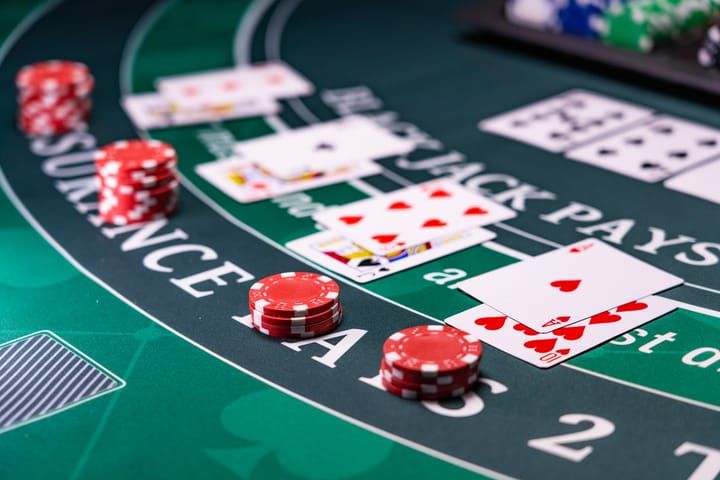
Is Surrendering in Blackjack a Good Play?
Deciding to use the blackjack surrender can feel counterintuitive since you are accepting a guaranteed loss. However, it's a pragmatic and practical tool when used correctly. A 50% loss is always better than a 100% loss. This is most evident when you hold a hard 16, statistically the worst hand in blackjack, against a strong dealer card. By following the specific strategic guidelines, you can minimize losses and slightly improve your overall odds. Sometimes, the smartest move is to cut your losses and live to fight the next hand.


