
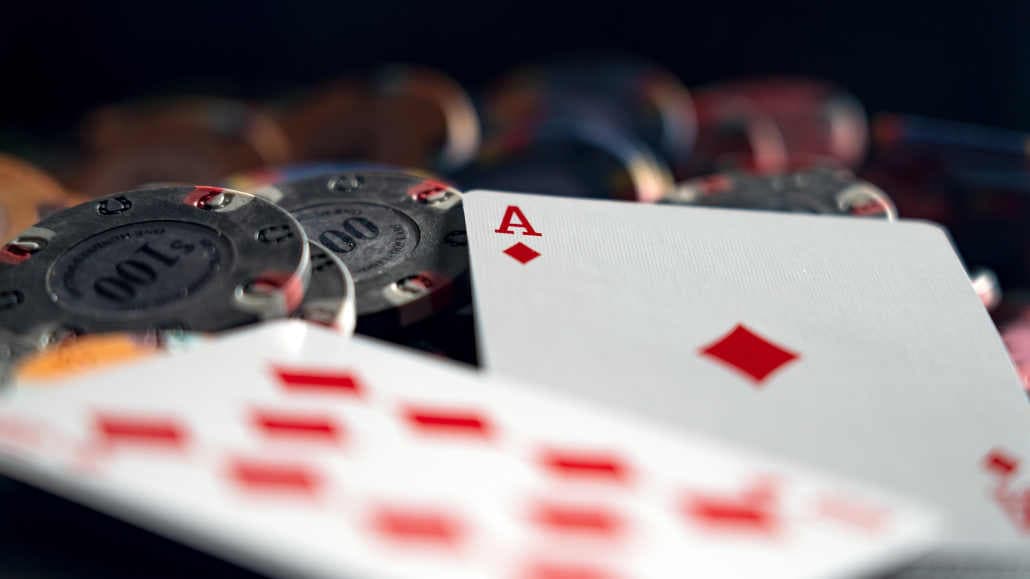


What is Blackjack? The Ultimate Casino Card Game
When you picture a casino floor, the buzz of the Blackjack table is one of the first things that comes to mind. What is Blackjack? It's a classic card game that masterfully blends luck and skill, making it one of the most popular casino table games globally. Known also as the '21 card game', its rules are straightforward, but its strategy runs deep, offering an engaging experience for both beginners and seasoned veterans.
Unlike poker, where you compete against other players, Blackjack pits you directly against the dealer. Your objective isn't just to get a hand value of 21; it's to beat the dealer's hand without exceeding 21. This one-on-one dynamic makes every decision crucial and every win satisfying.
The Core Objective: Beat the Dealer
The primary goal in a game of Blackjack is to have a hand total that is higher than the dealer's, but not over 21. If your hand's value goes above 21, it's called a 'bust', and you automatically lose your wager. If the dealer busts, all remaining players at the table win. Understanding this fundamental objective is the first step in learning how to play Blackjack effectively.
Blackjack Card Values
To play, you must know the blackjack card values. They are consistent across almost all variations of the game and are very easy to remember. The value of a hand is simply the sum of the points of its individual cards.
| Card(s) | Value |
|---|---|
| Cards 2 through 10 | Their face value (e.g., a 7 is worth 7 points) |
| Face Cards (King, Queen, Jack) | 10 points each |
| Ace | 1 or 11 points (whichever is more advantageous for the hand) |
A hand containing an Ace valued as 11 is called a 'soft' hand, because you can take another card without risk of busting. For example, an Ace and a 6 is a 'soft 17'. A 'hard' hand is one without an Ace or where the Ace must be counted as 1 to avoid busting.
A Step-by-Step Guide on How to Play Blackjack
Learning the flow of a round is essential. Here's a breakdown of the standard blackjack rules from start to finish.
1. Placing Your Bet
Before any cards are dealt, each player places their bet in the designated area on the table. There are minimum and maximum bet limits that are usually posted.
2. The Deal
Once all bets are placed, the dealer distributes two cards to each player and two to themselves. Players' cards are typically dealt face-up. The dealer's hand consists of one card face-up (the 'upcard') and one card face-down (the 'hole card').
3. The Player's Turn: Key Decisions
Starting from the player to the dealer's left, each person decides how to play their hand. Your main options are:
- Hit: Request another card. You can hit as many times as you like until you decide to stand or you bust.
- Stand: Keep your current hand and end your turn. The classic dilemma is when to hit or stand.
- Double Down: Double your initial bet in exchange for receiving only one more card. This is a powerful move when you have a strong starting hand, like a total of 10 or 11. Learning when to use a double down blackjack strategy is key.
- Split: If your first two cards are a pair (e.g., two 8s), you can split them into two separate hands. You must place a second bet equal to your first. Each hand is then played independently.
- Surrender: Some casinos offer the option to surrender your hand and forfeit half your bet after the initial deal. This is a good strategic option if you have a very weak hand against a strong dealer upcard.
4. The Dealer's Turn
After all players have completed their turns, the dealer reveals their hole card. The dealer's actions are dictated by strict house rules. They must hit until their hand totals 17 or more, at which point they must stand. These fixed rules remove any decision-making for the dealer and create the mathematical foundation for blackjack strategy.
"Blackjack is the only casino game an amateur can learn to play and at which he can definitely win. The game appeals to the intellect, and its blend of chance and skill is irresistible." - An anonymous casino floor manager.
Why Blackjack Endures
The game's lasting appeal comes from its low house edge. With optimal strategy, players can reduce the casino's advantage to less than 1%, one of the best odds available in any casino. This element of skill, combined with fast-paced action, ensures Blackjack will remain a pillar among casino games for years to come.


