



Are Slot Machines 'Due' to Hit When They're Full?
One of the most persistent common gambling myths revolves around slot machines. You've probably heard it in a casino: a player leaves a machine after losing a significant amount, and someone else whispers, 'That one is full, it's about to pay out.' The belief is that a machine that has taken in a lot of money must eventually give it back.
This idea, often called the gambler's fallacy, is completely false. Modern slot machines operate on a Random Number Generator (RNG). This technology ensures that every single spin is an independent, random event.
The machine's programming includes a Return to Player (RTP) percentage, but this is calculated over millions of spins, not a single session. The fact that a previous player lost heavily has zero impact on your chances of winning the next spin. The odds are exactly the same every time you press the button. This is a crucial truth about gambling that separates informed players from those chasing losses based on a myth.
Can You Beat Roulette With a Betting System?
Roulette's elegant simplicity has inspired countless betting systems, from the Martingale to the Fibonacci. Players often believe these strategies give them an edge over the house. I've seen countless gamblers swear by their personal system, only to blame 'bad luck' when it inevitably fails.
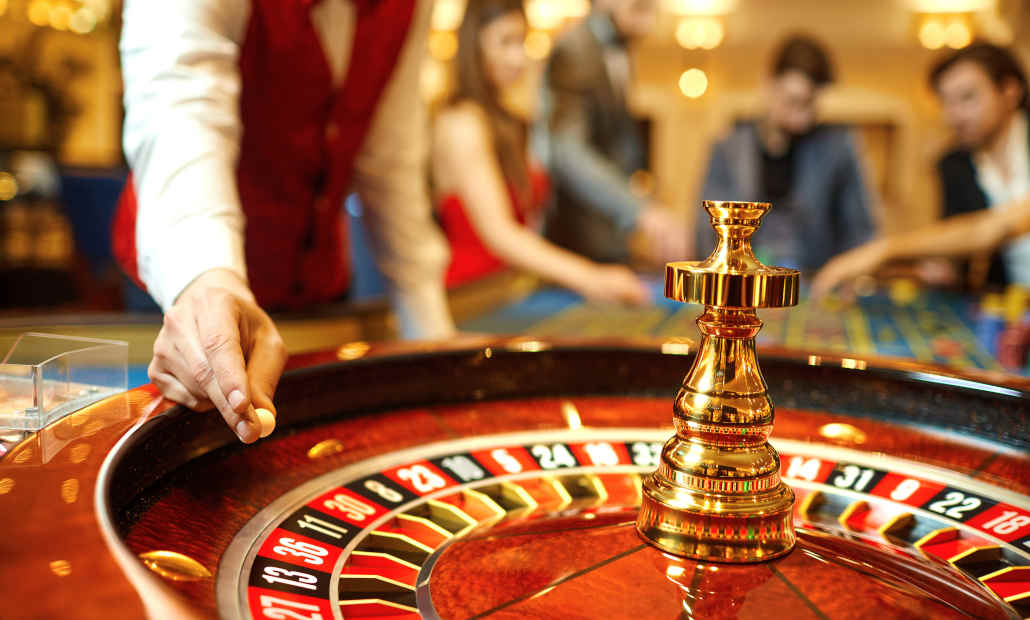
The hard truth is that the roulette strategy myth is one of the most costly casino superstitions. No betting system can mathematically beat roulette. The game is designed with a built-in house edge. For European roulette, this is 2.7% because of the single zero. In American roulette, with a double zero, it's even higher. No matter how you structure your bets, this edge remains constant and ensures the casino profits over the long term. While systems can be a fun way to manage your bankroll, they don't change the fundamental odds of the game.
Do Casinos Secretly Hate Winners?
Another popular gambling fallacy is that casinos despise players who win. The image of a pit boss glaring at a lucky player walking away with chips is a common trope. Some people believe the casino will do anything to get that money back immediately and wonder, 'are casinos rigged against winners?'
In reality, casinos need winners. Big wins are a form of marketing! When a player hits a jackpot, it creates excitement and reinforces the idea that winning is possible, which encourages others to play. A casino full of nothing but losers would quickly go out of business.

Of course, a casino's business model relies on getting players to return. They will certainly encourage you to come back and play again, but they don't harbor ill will towards winners. The only time a casino takes issue with a winner is if they suspect cheating or, in some skill-based games like blackjack, advantage play like card counting.
The Psychology of Gambling Superstitions
So, where do these common gambling myths come from? It's rooted in human psychology. We naturally seek patterns and desire a sense of control, even in situations governed by pure chance. These myths provide a framework that makes the unpredictable feel more manageable.
- The Gambler's Fallacy: The mistaken belief that if something happens more frequently than normal, it will happen less frequently in the future (e.g., a 'full' slot machine).
- Illusion of Control: Believing that a personal strategy or ritual (like blowing on dice) can influence a random outcome.
- Confirmation Bias: Remembering the times a superstition appeared to work and forgetting all the times it didn't.
Ultimately, it's important to recognize these myths for what they are: entertaining stories. Don't let them influence your betting decisions or your budget. The best strategy is to play for fun and gamble responsibly.


