
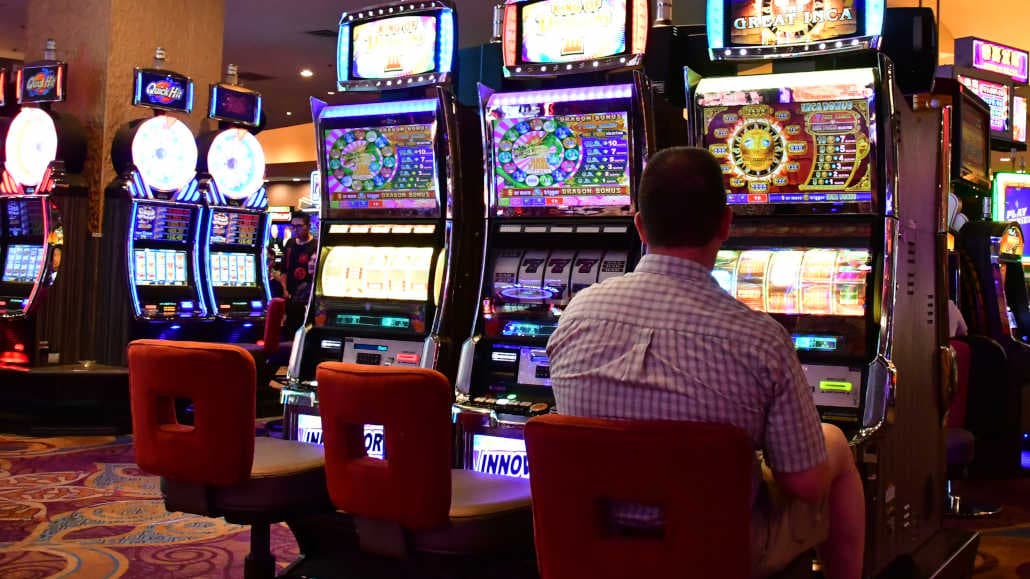


What Does Chasing Losses Mean in Gambling?
Chasing losses is a common term in the casino world describing a player's attempt to win back money they have already lost. Instead of accepting the loss and stopping, the player continues to gamble, frequently increasing their bet size in a desperate bid to break even. This behavior is driven by emotion rather than logic and is universally recognized as a poor strategy that can spiral into significant financial and personal problems.
For example, imagine a player loses $200 playing slot machines. Frustrated, they decide to chase their losses. They withdraw another $400 and move to a high-stakes blackjack table, abandoning their usual strategy and betting recklessly. Their goal is no longer entertainment; it's a frantic mission to recoup the initial $200, which often leads to losing the entire $600.
The Psychology Behind Chasing Losses
The urge to chase losses is rooted in powerful psychological triggers. Understanding them is the first step toward avoiding this dangerous pitfall.
- Loss Aversion: Humans feel the pain of a loss more intensely than the pleasure of an equivalent gain. This cognitive bias makes it difficult to walk away from a losing session, as the desire to erase the negative feeling of loss becomes overwhelming.
- Gambler's Fallacy: This is the mistaken belief that if something happens more frequently than normal during a given period, it will happen less frequently in the future. A player on a losing streak might believe they are 'due' for a win, compelling them to keep betting.
- Emotional Decision-Making: Frustration, anger, and desperation cloud judgment. When a player is emotional, they are more likely to ignore bankroll management rules and make impulsive, high-risk bets they wouldn't normally consider.
"Chasing losses is the fastest way to turn a small loss into a catastrophic one. It's a behavior fueled by emotion, not strategy, and it's a clear indicator that it's time to step away from the game." - Gambling Psychology Expert
Why Chasing Losses is a Losing Strategy
From a strategic standpoint, chasing losses is fundamentally flawed. Every bet at a casino game has a built-in house edge, meaning the casino has a statistical advantage on every wager. By increasing your bet size and playing longer, you are simply exposing more of your money to this house edge, which dramatically increases your expected losses over time.
Effective bankroll management is the cornerstone of successful and responsible gambling. Chasing losses completely undermines this principle. Instead of treating your gambling funds as a budget for entertainment, you begin to view them as a tool to fix a problem, which can lead you to dip into funds meant for essential living expenses.
How to Stop Chasing Losses and Gamble Responsibly
Preventing the urge to chase losses requires discipline and a proactive approach to responsible gambling. Here are some effective strategies to implement:
1. Set Strict Limits Before You Play
Before you place a single bet, decide on a firm loss limit. This is the maximum amount of money you are willing to lose in a single session. Once you hit that limit, you stop playing, no exceptions. It's equally important to set a win goal to know when to walk away ahead.
2. Practice Smart Bankroll Management
Only gamble with money you can afford to lose. Your gambling bankroll should be entirely separate from money needed for bills, savings, or other essential expenses. Never borrow money to gamble or try to win back what you've lost.
3. Take Regular Breaks
If you find yourself on a losing streak and feel frustration building, the best thing you can do is take a break. Step away from the screen or the table, clear your head, and reassess the situation away from the heat of the moment.
4. Accept Losses as Part of the Game
Shift your mindset. View gambling as a form of entertainment with an associated cost, much like buying a ticket for a movie or a concert. Losses are part of the experience and should not be seen as a debt that needs to be recovered.
5. Seek Support if Needed
If you consistently find yourself chasing losses and are unable to control your gambling habits, it may be a sign of a gambling addiction. There is no shame in seeking help. Organizations like Gamblers Anonymous and the National Council on Problem Gambling offer free and confidential support.


