


What Defines a Game of Skill?
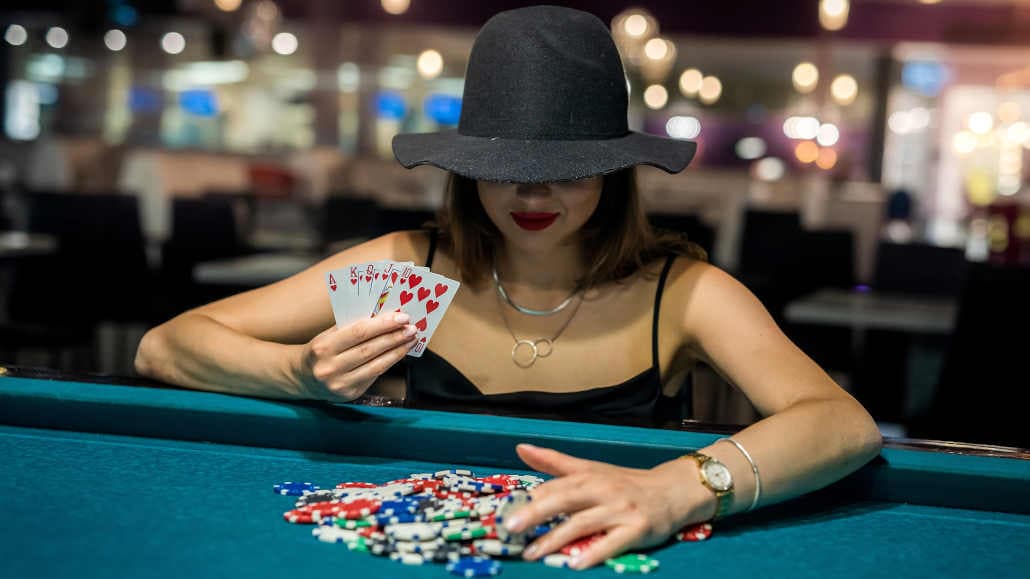
As the name implies, a game of skill is one where the outcome is primarily determined by the player's physical or mental expertise, not random chance. Success depends on your understanding of the rules, strategic planning, and consistent practice. While an element of luck can exist, a skilled player will consistently outperform a novice over time.
These games test your analytical abilities and decision-making under pressure. You have a significant degree of control over the result, and your choices directly impact whether you win or lose. The more you play and learn, the better you become.
Examples of Skill-Based Games
- Poker (Texas Hold'em): Arguably the most famous skill-based casino game. Players compete against each other, not the house. Success relies on understanding odds, bluffing, reading opponents, and managing your bankroll.
- Blackjack: While the cards dealt are random, applying a basic strategy can dramatically lower the house edge. Skilled players use techniques like card counting to gain an advantage.
- Rummy: This card game requires players to form melds (sets and runs). Winning involves memory, strategic discarding, and anticipating your opponent's moves.

What Is a Game of Chance?
In a game of chance, the outcome is almost entirely random and unpredictable. No amount of practice or expertise can influence the result. These games are governed by randomizing devices like dice, spinning wheels, or Random Number Generators (RNGs) in online versions. Your success is purely a matter of luck.
The key feature of a game of chance is that the player has no control over the outcome. You place your bet and hope for the best.
These games are popular because they are easy to learn and offer the thrill of a big win from a single lucky moment. The fairness of these games is ensured by sophisticated RNG algorithms that produce millions of outcomes per second.
Examples of Chance-Based Games
- Roulette: The quintessential game of chance. You bet on where a ball will land on a spinning wheel. The outcome is completely random, and no strategy can alter the odds.
- Online Slots: Each spin is an independent event controlled by an RNG. Past results have no bearing on future outcomes, making it a game of pure luck.
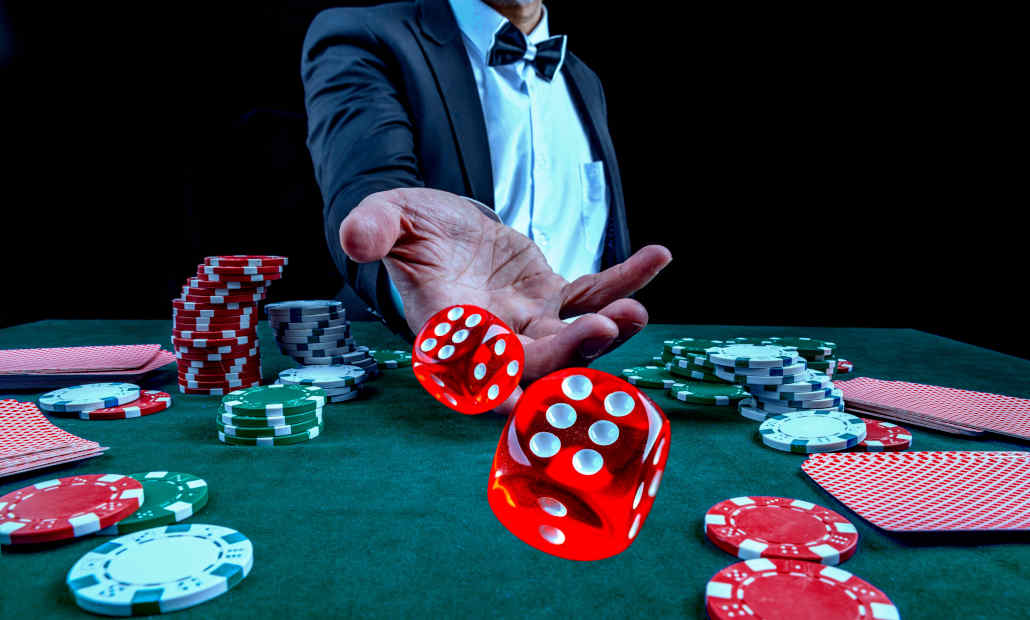
- Craps: This dice game involves betting on the outcome of a roll. While there are many betting options, the result of the dice throw is entirely random.
Key Differences: Games of Chance vs Skill
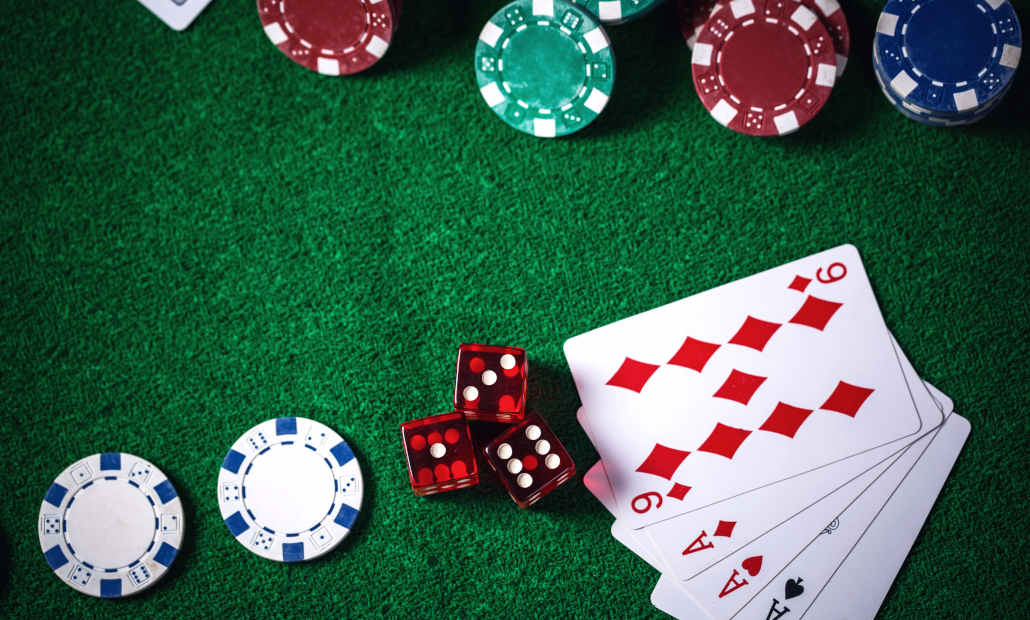
Understanding the core distinctions can help you pick the game that best suits your style. Here’s a breakdown of the main differences.
1. Player Control and Strategy
In skill games, your decisions matter. You can develop strategies, practice, and improve your win rate over time. In chance games, you have no control. You place your bet, and the rest is up to fate.
2. Opponent
Skill games like poker are often played against other people. You are testing your abilities against your fellow players. In games of chance, you are almost always playing against the house (the casino). If you win, the house pays you; if you lose, the house takes your money.
3. Predictability and Consistency
While not entirely predictable, skill games offer a degree of consistency. An expert player will win more often in the long run. Games of chance are completely inconsistent; a win or loss on one round has no impact on the next.
4. The House Edge
Casinos make money through the 'house edge,' a statistical advantage they have in every game. In skill games like blackjack, you can use strategy to reduce this edge significantly. In games of chance, the house edge is fixed and insurmountable over the long term. The casino profits by offering games where the odds are always slightly in its favor.
Final Thoughts
The debate over games of chance vs skill comes down to personal preference. Do you enjoy the thrill of the unknown and the potential for a lucky win? Games of chance like slots and roulette are perfect for you. Or do you prefer to test your intellect, develop strategies, and feel a sense of mastery? Then skill-based games like poker and blackjack will be more rewarding.
Ultimately, both types of games offer entertainment. Whichever you choose, it's crucial to play responsibly, set limits for your bankroll, and remember that gambling should be a fun activity, not a source of stress. Have fun and play safely!


