


What Is a Native American Casino?
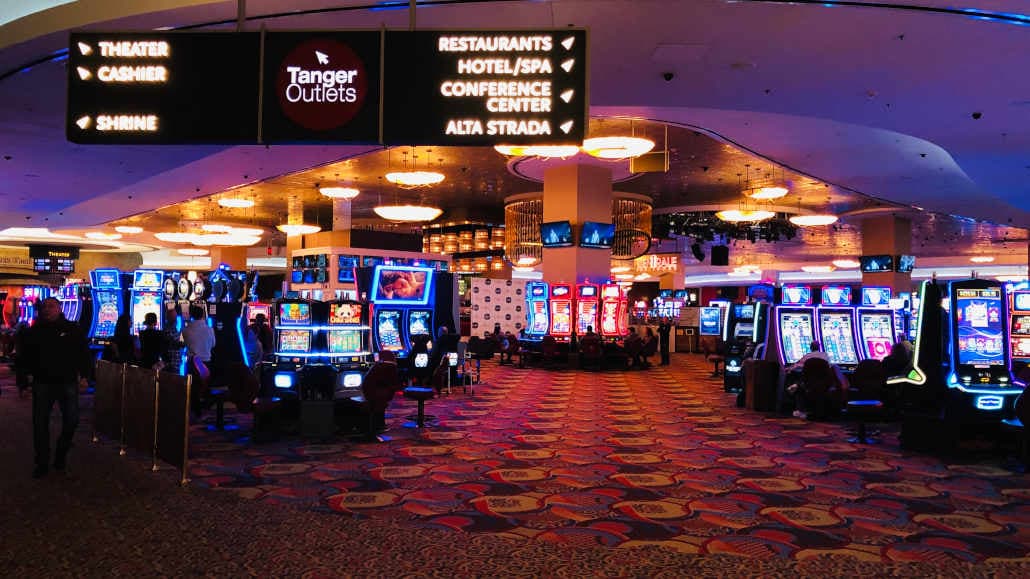
A Native American casino, often called an Indian casino, is a gambling establishment located on tribal land owned and operated by a federally recognized Native American tribe. Due to the principle of tribal sovereignty, these casinos operate under a different legal framework than commercial casinos in Las Vegas or Atlantic City. State governments often have limited jurisdiction over their activities, which are primarily regulated at the federal level.
Many of these venues incorporate the tribe's culture into their branding, offering a unique experience. Visitors might find cultural displays, traditional art, and even museums on-site, providing insight into the tribe's history and heritage.
The History and Regulation of Tribal Gaming
For centuries, Native American tribes faced immense hardship and discrimination, leading to severe economic challenges. To promote self-sufficiency and economic development, the U.S. government established a legal framework for tribes to generate revenue through gaming, an activity with deep roots in many Native American cultures.
The landmark Indian Gaming Regulatory Act (IGRA) was passed in 1988. This act established the legal basis for tribal gaming operations and created the National Indian Gaming Commission (NIGC) to oversee them. The NIGC is responsible for monitoring tribal casinos, ensuring fair play, and protecting both the tribes and the players.
Are Indian Casinos Regulated?
Yes, all tribal casinos are highly regulated. According to the NIGC, there are nearly 500 tribal gaming establishments in the US. They are organized into three distinct classes:
- Class I: Traditional social games played for minimal prizes, often during ceremonies. Regulated exclusively by tribal governments.
- Class II: Includes bingo and non-banked card games (where players play against each other, not the house). These are regulated by the tribe with NIGC oversight.
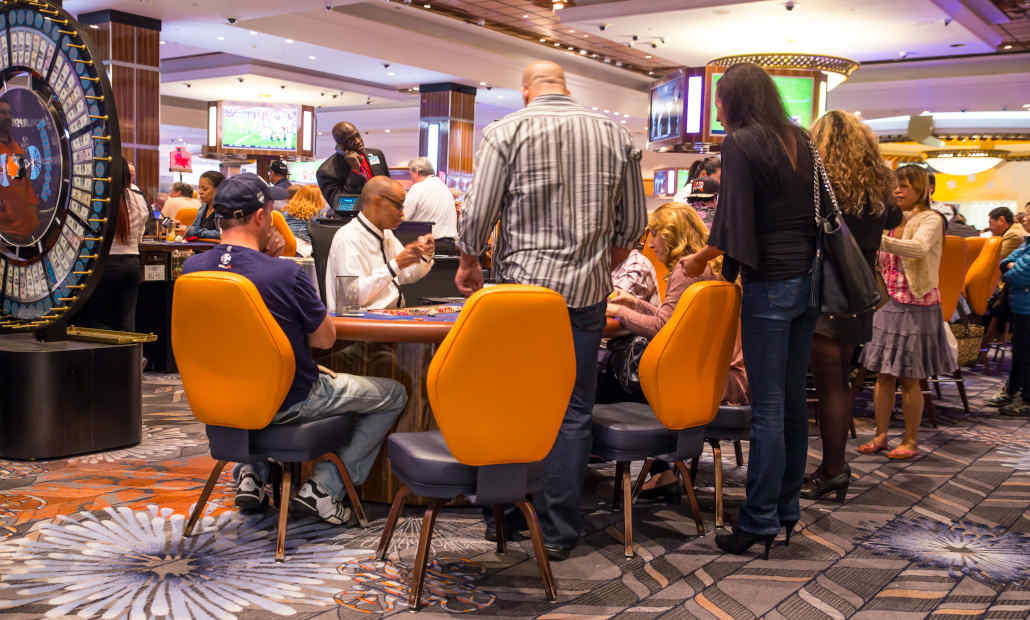
- Class III: Encompasses all casino-style games, such as slot machines, blackjack, roulette, and craps. To offer Class III gaming, a tribe must enter into a formal agreement, known as a compact, with the state government.
How Indian Casinos Differ From Other US Casinos
While the gaming experience can be similar, several key differences set tribal casinos apart from their commercial counterparts.
Taxes and Revenue Use
A common misconception is that Indian casinos pay no taxes. While they are exempt from state taxes due to tribal sovereignty, they often make significant payments to states through revenue-sharing agreements defined in their gaming compacts. Unlike standard taxes, these agreements can specify how the funds are used, giving tribes a say in supporting local services and infrastructure.
Management and Profits
Commercial casinos operate to generate profits for owners and shareholders. In contrast, IGRA mandates that revenue from tribal casinos must be used to fund the tribal community. Profits support healthcare, education, infrastructure, and cultural preservation programs. While some funds may be distributed to tribal members as per capita payments, the primary focus is on community well-being.
Location Restrictions
A tribal casino must be located on federally recognized tribal land. This restriction means most are not found in major urban centers. However, a key advantage is that tribes don't need to purchase or lease expensive commercial real estate, allowing them to build massive resort complexes. In fact, some of the largest casinos in the world are Native American-owned.
Rules on Alcohol
Complimentary alcoholic drinks, a staple in Las Vegas, are less common in Indian casinos. Each tribe sets its own alcohol policy. Some choose not to serve alcohol at all to combat substance abuse issues within their communities, prioritizing public health over potential profits.
The Biggest Native American Casinos in the US
Several tribal gaming venues have grown into world-class destinations that rival anything in Las Vegas. Here are three of the most impressive:
WinStar World Casino and Resort
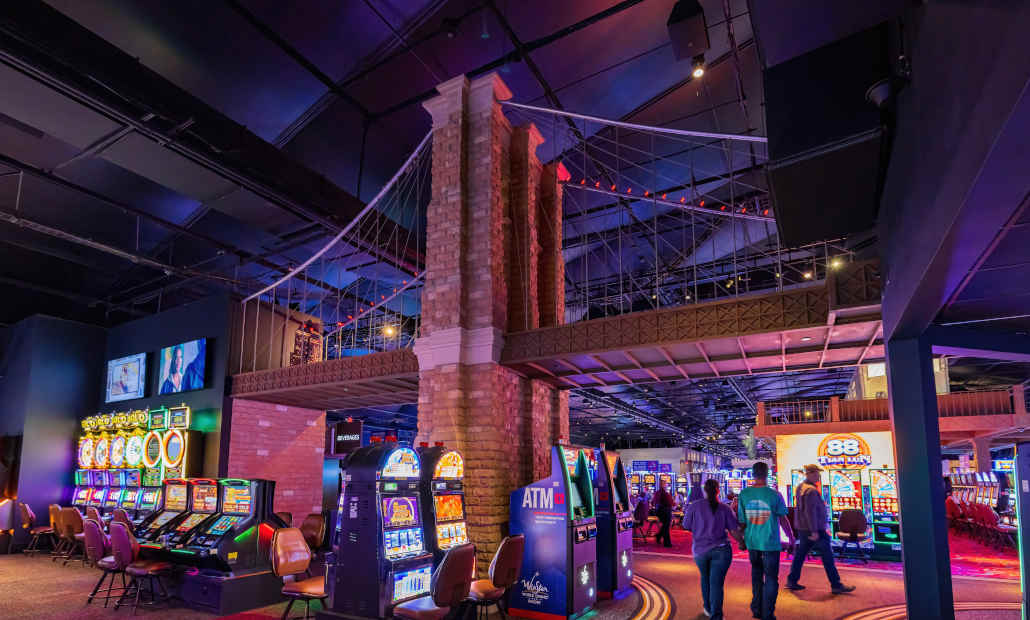
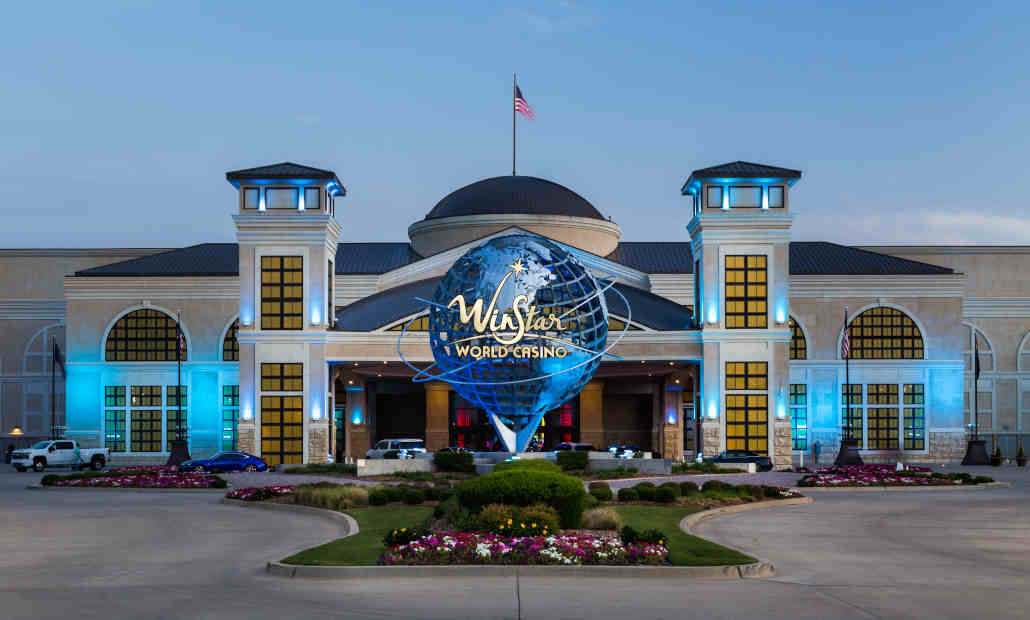
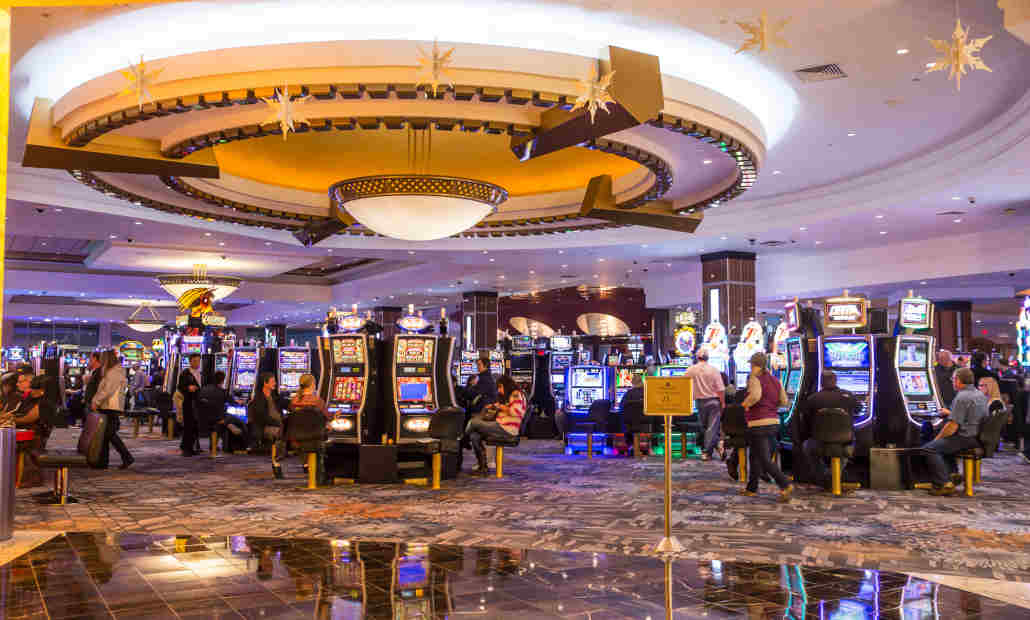
Located in Oklahoma, WinStar is the largest casino in the United States. Its massive gaming floor, spanning nearly 400,000 square feet, is divided into nine globally themed plazas. It features over 10,000 electronic games, 100 table games, and a 55-table poker room. The resort also includes multiple hotels, an RV park, a golf course, and numerous dining and shopping options.
Foxwoods Resort Casino
Operated by the Mashantucket Pequot Tribal Nation in Connecticut, Foxwoods was once the largest casino in the world. It started as a bingo hall in 1986 and has since expanded into a massive complex with over 3,500 slot machines, hundreds of table games, and one of the largest bingo halls anywhere. The resort includes multiple hotels, a spa, fine dining, and a large shopping mall.
Seminole Hard Rock Hotel & Casino
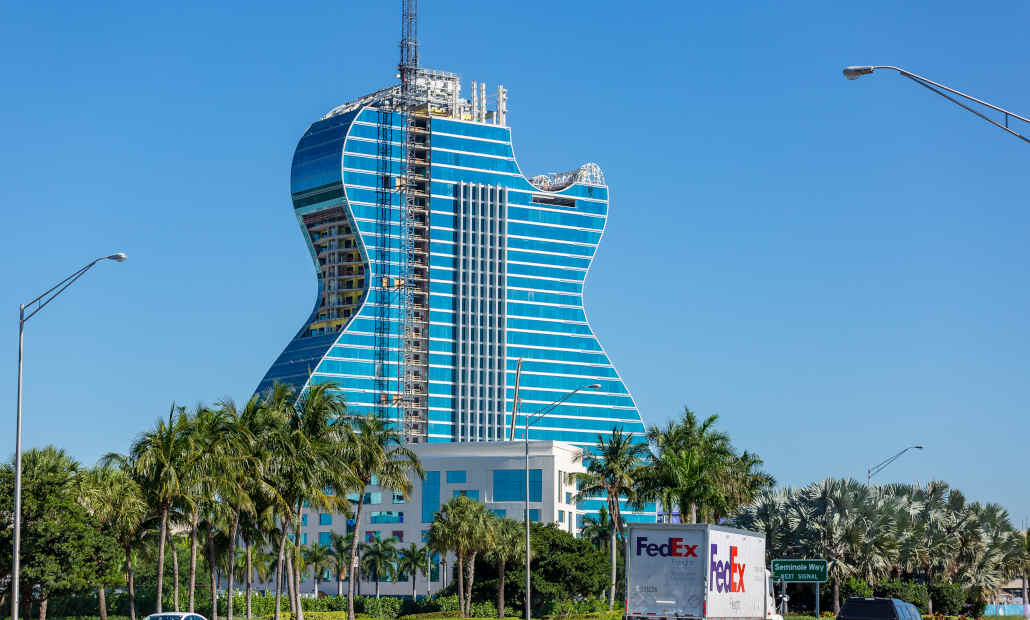
Famous for its iconic 450-foot Guitar Hotel tower in Hollywood, Florida, this casino is a major landmark. It offers 3,100 slot machines, nearly 200 table games, and a 45-table poker room. The resort is a premier entertainment destination with a wide range of amenities, including spas, pools, restaurants, bars, and a large concert venue.
A Unique Gambling Experience Worth Trying
Whether you visit a massive resort or a smaller local parlor, playing at Native American casinos offers a unique experience. They provide all the gaming action you'd expect, but with the added dimension of supporting tribal communities and preserving cultural heritage. If you have an Indian casino nearby, it's an entertaining and culturally enriching destination worth a visit.


