



The Rise of Smartphone Gaming
The video game industry has evolved dramatically from 8-bit arcade cabinets to immersive home consoles. For decades, consoles have been the undisputed kings of gaming. But now, a new challenger has entered the arena: the smartphone. With billions of users worldwide, the future of mobile gaming is a hot topic. But will it truly dethrone the home console? Let's explore the arguments shaping the mobile gaming industry.
These consoles have been the king of video games for a long time, but it looks like that might change with the rise of smartphone gaming.
Unmatched Convenience and Portability
The primary appeal of mobile gaming lies in its convenience. Home consoles revolutionized gaming by bringing it from the arcade into the living room. Smartphones take this a step further, allowing you to play anywhere, anytime. This unparalleled access is a significant factor in the console vs mobile gaming debate.
However, this convenience has limitations. Many popular mobile games require a stable internet connection, which isn't always available on the go. Furthermore, dedicated portable consoles from companies like Nintendo offer a similar on-the-go experience, often with more robust controls and software, providing stiff competition.
Accessibility and Audience Exposure
A key argument for the dominance of mobile gaming is accessibility. Smartphones are multi-purpose, essential devices for modern life, meaning the potential player base is enormous. Game developers can reach a much wider and more diverse audience by releasing titles on mobile platforms.

In contrast, the rising cost of new-generation consoles can be a barrier for many consumers. When faced with a high price tag for a dedicated gaming machine, many opt for the free-to-play or low-cost games readily available on the device already in their pocket.
A Universe of Variety: From Casual to Casino
A smartphone's versatility extends to its gaming library. Developers have multiple avenues for distribution: downloadable apps, browser-based games, and even online casino games. This creates an incredible variety that caters to all types of players.
The mobile platform excels in genres that traditional consoles don't typically focus on, from hyper-casual puzzles to real-money online casino slots. This breadth of choice is a powerful incentive for players to stick with their phones for their gaming needs, supporting strong mobile gaming trends.
Potential Downsides: Health and Technical Limits
Despite its growth, mobile gaming is not without its drawbacks. One major concern is health. The small screen size often requires players to hold the device close to their eyes, potentially leading to eye strain. While features like blue light filters help, it remains a valid concern for many.
Mobile screens are so small that the player needs to hold the device closer to their eyes to see clearly. This can lead to eye strain.
Home consoles, having been around longer, have more established best practices for mitigating health risks, including warnings and designs that encourage playing at a safe distance from a larger screen.
The Growing Role of Educational Gaming
Smartphones are increasingly integrated into education through apps, revision tools, and educational games. This has built a positive association for parents, making them more receptive to mobile games in the home compared to traditional consoles, which are often viewed purely as entertainment.
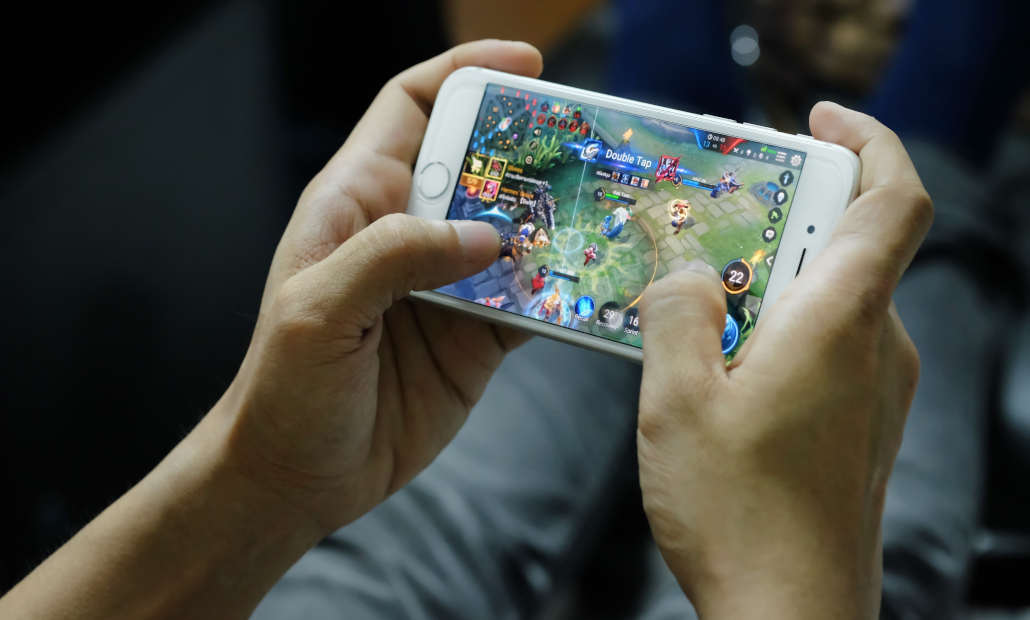
Mobile games can subtly incorporate learning, making them a powerful tool that finds its way into households more easily. This trend could significantly influence the next generation of gamers, shaping their platform preferences.
Conclusion: A Shared Future?
Predicting the definitive future of the gaming industry is challenging. While the mobile gaming industry has seen explosive growth and offers undeniable benefits, it's unlikely to completely replace consoles. Instead, we are likely heading towards a future where both platforms coexist and thrive.
Mobile gaming will continue to dominate the casual and on-the-go markets, while consoles will remain the top choice for high-fidelity, immersive experiences. The lines may blur with game streaming and cross-platform play, but each platform's core strengths will ensure its place in the vibrant world of gaming.


