
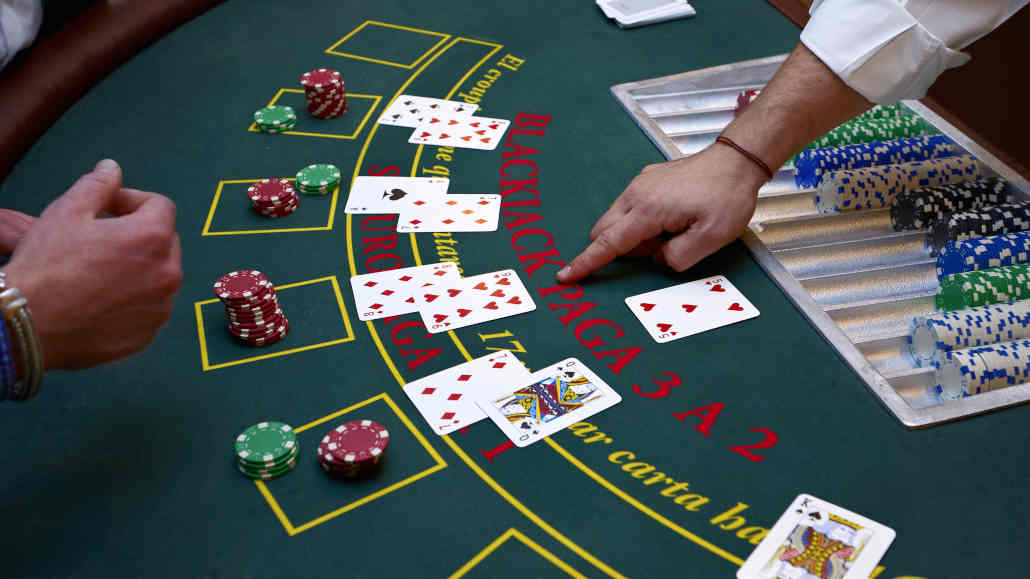


What Exactly is a Stiff Hand in Blackjack?
In the world of blackjack, few situations cause more hesitation than being dealt a 'stiff hand'. A stiff hand in blackjack is any hard hand totaling between 12 and 16. A 'hard hand' is one that does not contain an Ace, or if it does, the Ace must be counted as 1, not 11. These hands, including totals of 12, 13, 14, 15, and 16, are notoriously difficult to play.
The reason they're called 'stiff' is because you're caught in a difficult position. If you 'hit' (take another card), you have a significant chance of busting (exceeding 21). For example, with a hand of 16, any card higher than a 5 will cause you to lose. Conversely, if you 'stand' (take no more cards), your total is often too low to beat the dealer, who will likely hit to a higher total. Mastering the blackjack stiff hand strategy is a key step from becoming a novice to an experienced player.
The Core Dilemma: Hit or Stand?
The decision to hit or stand on a stiff hand is not based on guesswork; it's a calculated move dictated by basic blackjack strategy. Your choice almost entirely depends on one crucial piece of information: the dealer's upcard. The dealer's visible card gives you a strong indication of their potential final hand and, more importantly, their likelihood of busting.
The golden rule with a stiff hand is to let the dealer bust. When the dealer shows a weak upcard (2 through 6), the odds are in their favor to go over 21. Don't risk your own hand by hitting in these situations.
Basic Strategy for Playing a Stiff Hand
The fundamental strategy for a stiff hand revolves around the dealer's upcard. The upcards can be split into two main groups: weak cards (2-6) and strong cards (7-Ace).
When the Dealer Shows a Weak Upcard (2-6)
If the dealer's upcard is a 2, 3, 4, 5, or 6, they are in a vulnerable position. These cards make it more likely that the dealer will bust when they draw additional cards. In this scenario, your best move is almost always to stand with your stiff hand (12-16). You are betting on the higher probability that the dealer will exceed 21. By hitting, you introduce your own risk of busting, which is an unnecessary gamble when the dealer is already at a disadvantage.
- Player Hand (13-16) vs. Dealer (2-6): Always stand.
- Player Hand (12) vs. Dealer (2, 3): Hit.
- Player Hand (12) vs. Dealer (4, 5, 6): Stand.
When the Dealer Shows a Strong Upcard (7-Ace)
When the dealer shows a 7, 8, 9, 10, Jack, Queen, King, or Ace, they have a strong hand. The probability of them making a high total (17-21) is significant. Standing on your 12-16 is unlikely to win. Therefore, even though the risk of busting is high, your best strategic move is to hit. You must try to improve your hand to have a chance of winning. Standing is essentially conceding the hand in most of these cases.
- Player Hand (12-16) vs. Dealer (7-Ace): Always hit.
The Other Meaning of 'Stiff' in a Casino
While the term is most famous in blackjack, 'stiff' has another, less technical meaning on the casino floor. A 'stiff' can refer to a player who does not tip the dealers, waitstaff, or other casino employees. It carries a negative connotation, implying someone is cheap or ungrateful for the service provided. In a culture where tips (or 'tokes') are a significant part of a dealer's income, being labeled a stiff is an insult. It can also refer to someone who fails to pay back a gambling debt, which is a much more serious offense in casino circles.


