



The Record-Breaking Day: Patricia Demauro's Unforgettable Streak
Most people don't remember where they were on May 23, 2009, but Patricia Demauro will never forget it. On that day, she cemented her place in gambling history by achieving the longest craps roll ever recorded. Starting with just a $100 bankroll at the Borgata in Atlantic City, this novice player began a streak that would defy all expectations.
As her rolls continued past the dozens, a crowd gathered around the table. Casino staff and security watched in amazement as her lucky run went on. She didn't just break the previous record; she completely shattered it.
Patricia Demauro's historic roll lasted four hours and 18 minutes, consisting of 154 consecutive rolls without hitting a seven.

How Much Did Patricia Demauro Win?
One of the biggest questions surrounding this legendary event is how much money she won. Both Patricia and the Borgata have remained tight-lipped about the exact figures. This has led to wide speculation among gambling experts.
Estimates vary wildly, from a few thousand dollars to several million. The most accepted range suggests her personal winnings were likely between $100,000 and $200,000. However, the other players at the table who bet alongside her likely won significantly more, with total table winnings possibly reaching into the millions.
Luck or Skill? The Science Behind the Longest Craps Roll
With odds calculated at 1 in 1.56 trillion, it's natural to wonder if more than just luck was involved. However, craps is a game of pure chance. Patricia's incredible achievement is a classic example of extreme statistical variance.
In gambling, variance refers to the swings in luck. While the casino always has a long-term mathematical edge, short-term results can be unpredictable. Demauro simply experienced an unprecedented wave of positive variance. There was no special skill or strategy involved, just one of the most remarkable lucky streaks in history.
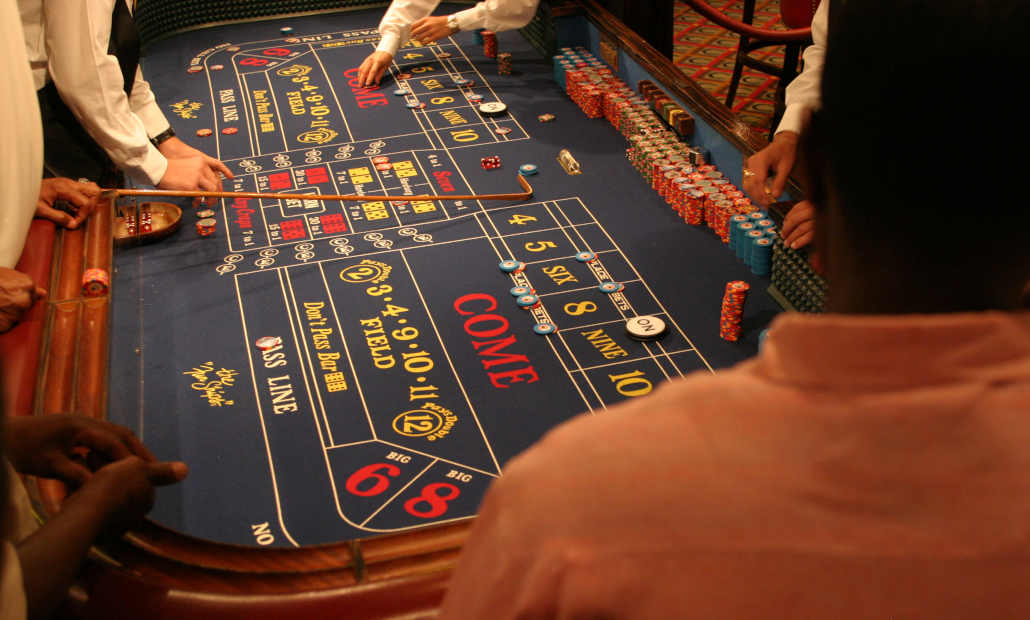
The Previous Record Holder: Stanley Fujitake
To fully appreciate Demauro's feat, it's important to look at the record she broke. For two decades, the title of longest craps roll belonged to Stanley Fujitake. In May 1989, at the California Hotel and Casino in Las Vegas, Fujitake achieved what was then considered an impossible streak.
Here is a comparison of these two legendary craps records:
| Feature | Patricia Demauro | Stanley Fujitake |
|---|---|---|
| Year | 2009 | 1989 |
| Consecutive Rolls | 154 | 118 |
| Duration | 4 hours, 18 minutes | 3 hours, 6 minutes |
| Location | Borgata, Atlantic City | California Hotel, Las Vegas |
Fujitake's 118 rolls in three hours was a monumental achievement that stood for 20 years, highlighting just how extraordinary Demauro's performance truly was.
Where is Patricia Demauro Today?
After her historic win, Patricia Demauro didn't become a professional gambler or a casino celebrity. She quietly returned to her life as a grandmother in New Jersey. She reportedly used some of her winnings to take her grandchildren on a trip to Disney World.
Perhaps the most remarkable part of her story is that she seemingly walked away from the game at the top. There are no reports of her ever returning to a craps table, making her a true one-hit wonder who left an unbeatable legacy.

The Myth of Controlled Dice Shooting
Stories like Demauro's often lead players to ask if it's possible to control the dice in craps. While some proponents advocate for "controlled shooting," its effectiveness is highly debated and virtually impossible to prove. The theory involves:
- Consistent Rolling: Attempting to throw the dice with the same mechanical motion every time to reduce randomness.
- Controlled Grip: Holding the dice in a specific way to influence how they tumble.
- Subtle Attempts: Trying to control the dice without drawing the attention of casino staff, who can disqualify throws or remove players.
Ultimately, casinos require dice to hit the back wall of the table, which introduces significant randomness. Any attempt at dice control is unlikely to overcome the game's inherent chance, and if detected, it will not be tolerated by the casino. Patricia Demauro's record was a product of pure luck, not skill.


