


The Humble Beginnings of Old Las Vegas: Early 1900s
Founded in 1905, Las Vegas started as little more than a dusty railroad outpost. That same year, Fremont Street, the city's first gambling hub, was established. It was a far cry from the glitz and glamour of today; early Las Vegas was a small town where a few hundred residents turned to gambling to pass the time in the harsh desert environment.
In 1906, the first casino, Hotel Nevada (now the Golden Nugget), opened its doors. However, gambling was illegal at the time, so these games were hosted covertly. The nationwide ban on gambling in 1910 and Prohibition further slowed the city's growth, reverting it to an insignificant outpost. But the 1930s would change everything.
The 1930s: Laying the Foundation for a Gambling Mecca
The year 1931 was a turning point in the history of Las Vegas. Nevada was granted six gambling licenses, with one going to the Northern Club on Fremont Street, the original old Vegas strip. The repeal of Prohibition in 1933 added legal alcohol to the mix, creating the perfect recipe for an entertainment destination.
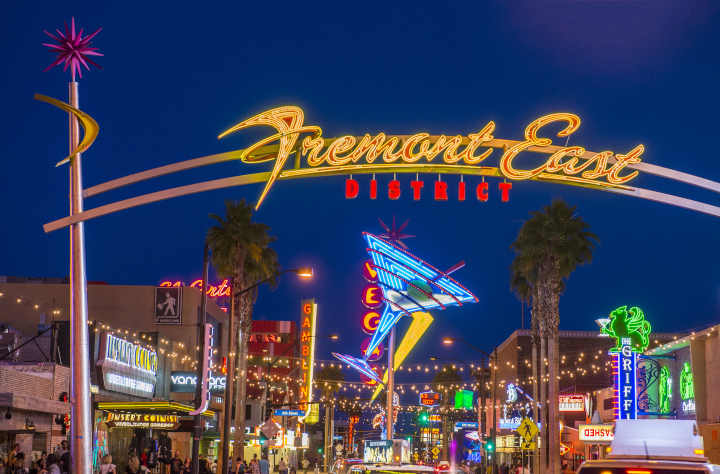
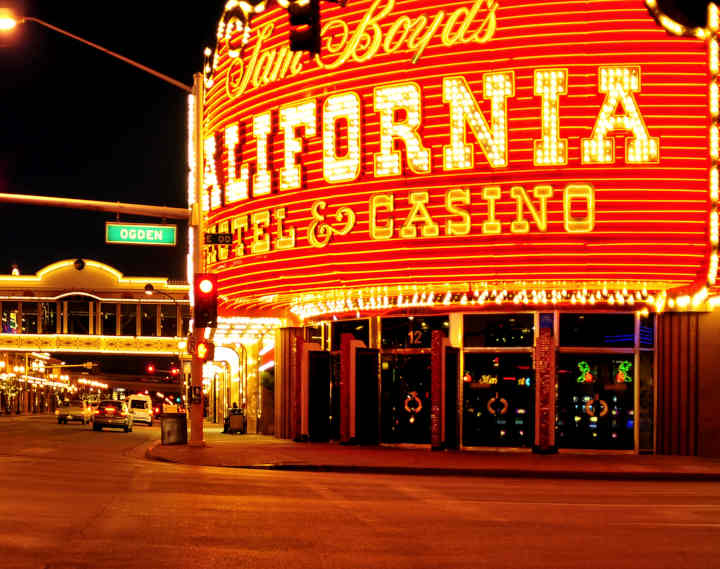
Fremont Street quickly became the heart of the city, becoming the first paved street and getting the first traffic light. Showgirl theaters and iconic neon signs began to appear, earning the street its nickname, “Glitter Gulch.” This era laid the crucial groundwork for the city's explosive growth.
The 1940s: Mobsters, The Flamingo, and The Strip's Rise
By the 1940s, the city's reputation was growing. The population, which was around 8,000 in 1940, nearly tripled in just a few years. After World War II, Las Vegas became a major tourist attraction, and the new Las Vegas Strip started to take shape.
While often credited as its creator, mobster Benjamin "Bugsy" Siegel didn't build the first Strip resort, but his opening of the Flamingo in 1946 marked the beginning of a new era defined by the close ties between mobsters and gambling.
The Flamingo's grand opening, attended by celebrities and underground figures, brought massive media attention to Las Vegas. This period saw dozens of casino properties spring up, many with direct ties to the mob. The Strip's popularity soon overshadowed Fremont Street, and nearby areas like Reno and Lake Tahoe also began to develop their own casino scenes.
Golden Era of Old Vegas: The Rat Pack and the 1950s Boom
The 1950s are widely considered the golden era of Old Las Vegas. This decade saw the complete integration of superstar entertainers into casino culture. Performers like Frank Sinatra, Dean Martin, and Sammy Davis Jr. drew massive crowds, and by 1954, over eight million tourists were visiting annually, generating over $200 million for casinos.
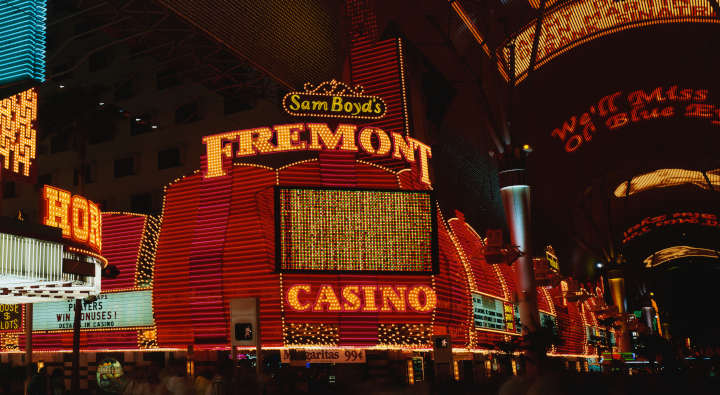
The city became a hub for wild, all-night entertainment. Gambling pool parties, exclusive shows, and mob-backed casinos were the norm. Las Vegas offered something for everyone, from high-end shopping to illicit activities. As the city's reputation for indulgence grew, so did government efforts to push organized crime out of the picture.
A Fabulous Welcome: The Late 50s and Early 60s
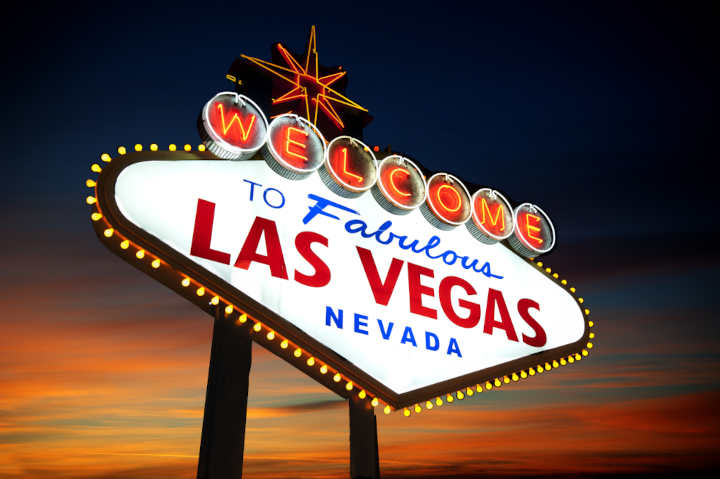
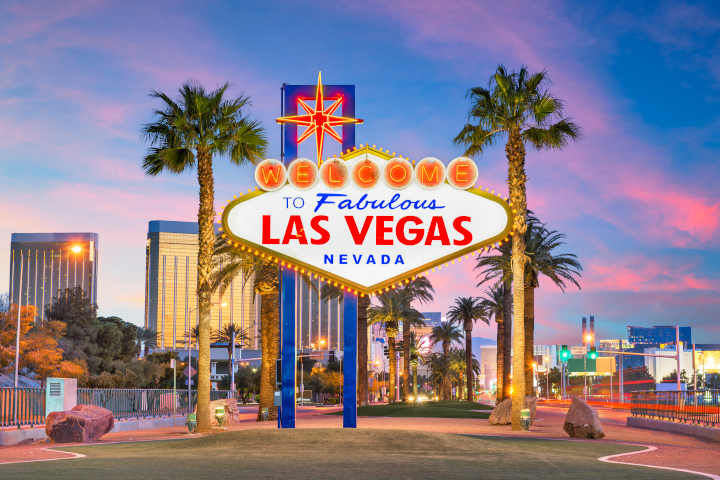
In 1959, an icon was born: the “Welcome to Fabulous Las Vegas” sign. Commissioned by a local businessman, the 25-foot-tall sign became one of the most recognizable symbols of the city. By 1960, the population had grown to over 64,000.
The early 1960s saw the opening of legendary casinos like Caesars Palace and Circus Circus. During these years, The Strip definitively surpassed Fremont Street as the city's premier gambling destination.
Corporate Takeover: The Howard Hughes Era in the Late 60s
The 1960s marked a significant shift as corporate interests began to replace mob influence. Businessman Howard Hughes was a key figure, buying the Desert Inn and several other casino resorts. At one point, he controlled a third of the city's total revenue.
Hughes' investments helped usher in an era of corporate ownership and tighter regulation, transforming Las Vegas from a mob-run hub into a structured metropolis. The decade ended with Kirk Kerkorian opening the world's largest hotel and casino, the International, and signing Elvis Presley as its headliner, cementing the King's status as a Vegas icon.
Mega-Resorts and Competition: Vegas from the 70s to 80s
By the mid-1970s, the gambling industry accounted for nearly half of Nevada's total income. Mega-resorts like the MGM Grand and Imperial Palace opened their doors. However, the legalization of gambling in Atlantic City in the 1980s presented the first real competition to Las Vegas's monopoly.
Any concerns were quickly put to rest in 1989 when Steve Wynn opened The Mirage. This mega-resort, with its manmade volcano and white tiger habitat, set a new standard for the full resort experience and kicked off a new wave of development.
The Modern Metropolis: Vegas from the 90s to Today
The last three decades have been defined by luxury and spectacle. Casinos like the Bellagio, Venetian, and Wynn opened, focusing on high-end gambling experiences complemented by world-class shopping, dining, and entertainment. Attractions such as the High Roller Ferris Wheel and the Stratosphere SkyJump were also introduced.
While the tales of Old Las Vegas are legendary, the city continues to evolve. Las Vegas is constantly reinventing itself, ensuring its place as a premier global destination for decades to come, building on a rich history that began over a century ago in the Mojave Desert.


