



Official Poker Hand Rankings Chart
Before playing your first hand of Texas Hold'em, memorizing the official poker hand rankings is essential. Understanding what beats what is the foundation of any solid poker strategy. Below is the definitive chart of poker hands, ordered from the unbeatable Royal Flush down to the simple High Card.
| Hand | Description | Example |
|---|---|---|
| Royal Flush | A, K, Q, J, 10, all of the same suit. | A♦ K♦ Q♦ J♦ 10♦ |
| Straight Flush | Five cards in sequence, all of the same suit. | 8♠ 7♠ 6♠ 5♠ 4♠ |
| Four of a Kind | Four cards of the same rank. | Q♣ Q♠ Q♥ Q♦ 5♥ |
| Full House | Three of a kind with a pair. | J♣ J♠ J♥ 8♦ 8♣ |
| Flush | Any five cards of the same suit, not in sequence. | A♥ K♥ 9♥ 6♥ 3♥ |
| Straight | Five cards in sequence, but not of the same suit. | 7♥ 6♠ 5♦ 4♣ 3♥ |
| Three of a Kind | Three cards of the same rank. | 10♦ 10♠ 10♣ K♠ 2♦ |
| Two Pair | Two different pairs. | A♣ A♥ 7♣ 7♠ 3♦ |
| One Pair | Two cards of the same rank. | K♠ K♦ 9♥ 5♣ 2♦ |
| High Card | When you haven't made any of the hands above, the highest card plays. | A♦ Q♠ 10♥ 5♣ 2♦ |
A Detailed Breakdown of Poker Hands Ranked
The rarity of a hand directly correlates with its strength. The harder a hand is to make, the higher it is in the poker hand rankings. Let's explore each hand in detail.
1. Royal Flush

The Royal Flush is the best possible hand in Texas Hold'em. It consists of an Ace, King, Queen, Jack, and 10, all of the same suit. There are only four possible combinations, making it the rarest hand in the game. If you're lucky enough to get one, you are guaranteed to win the pot.
2. Straight Flush
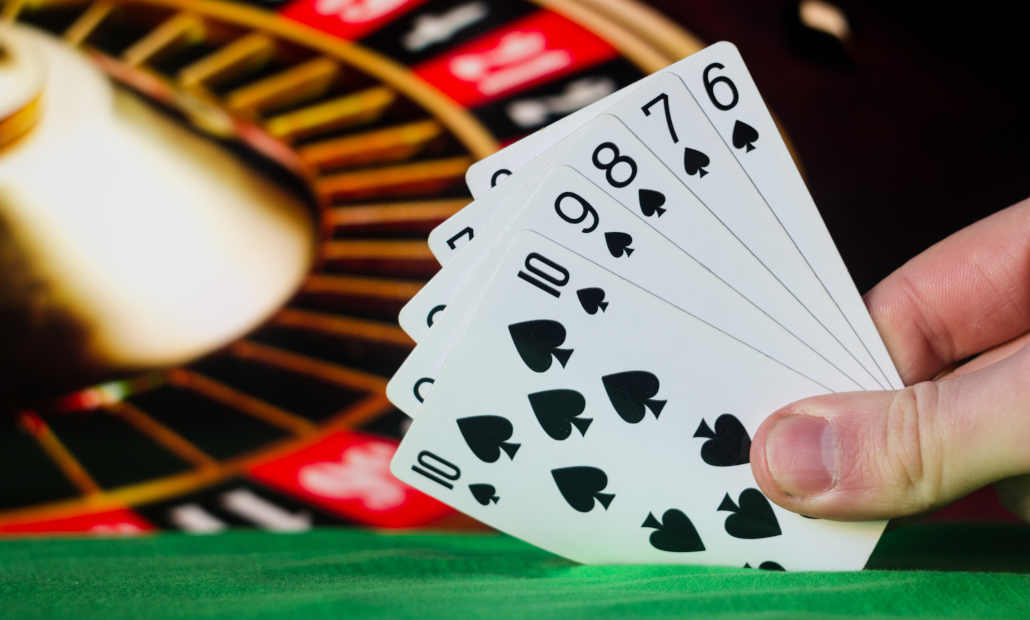
A Straight Flush is five consecutive cards of the same suit. An example would be 8-7-6-5-4 all of spades. It's an incredibly powerful hand that beats everything except a Royal Flush.
3. Four of a Kind (Quads)
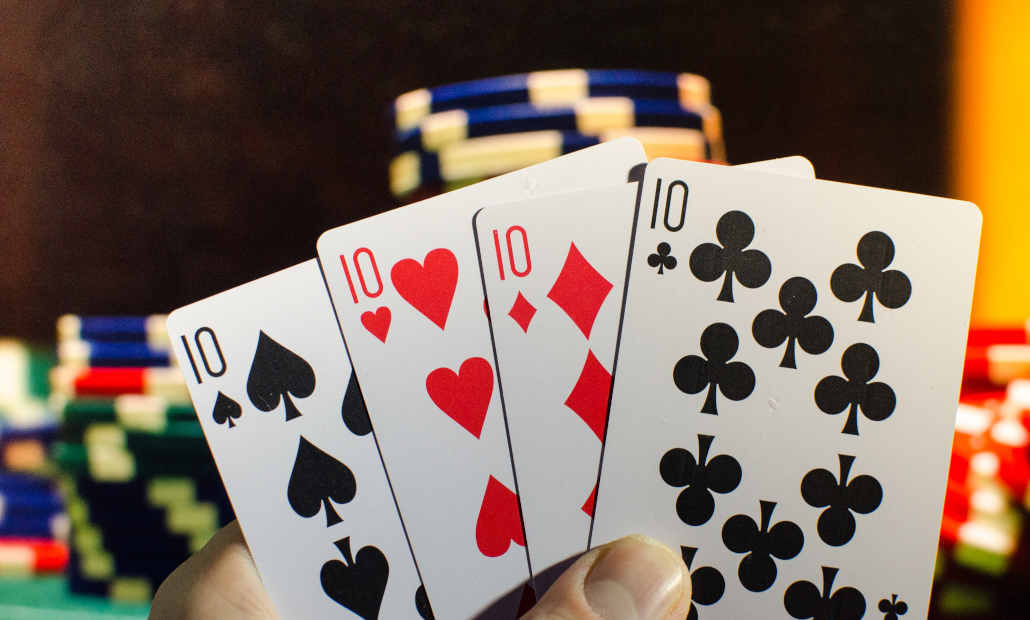
Four of a Kind, or "quads," means you have four cards of the same rank, such as four Kings. The fifth card, known as the kicker, is irrelevant unless another player also has four of a kind, which is nearly impossible in Texas Hold'em.
4. Full House
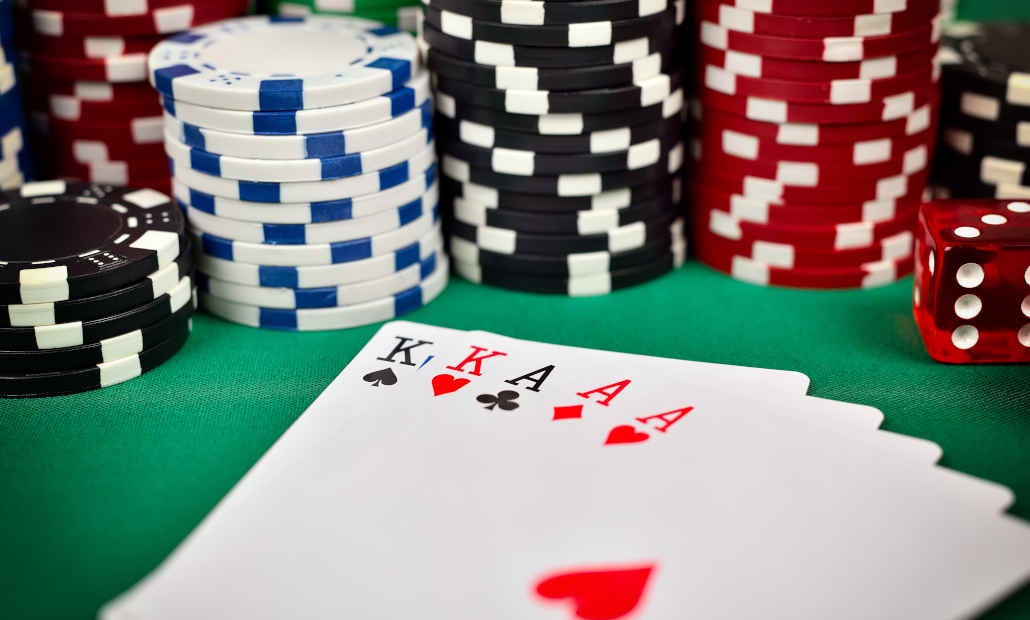
A Full House combines three cards of one rank and two cards of another. For example, three Aces and two Kings (A-A-A-K-K) is known as "Aces full of Kings." When comparing one full house to another, the hand with the higher-ranking three-of-a-kind wins.
5. Flush
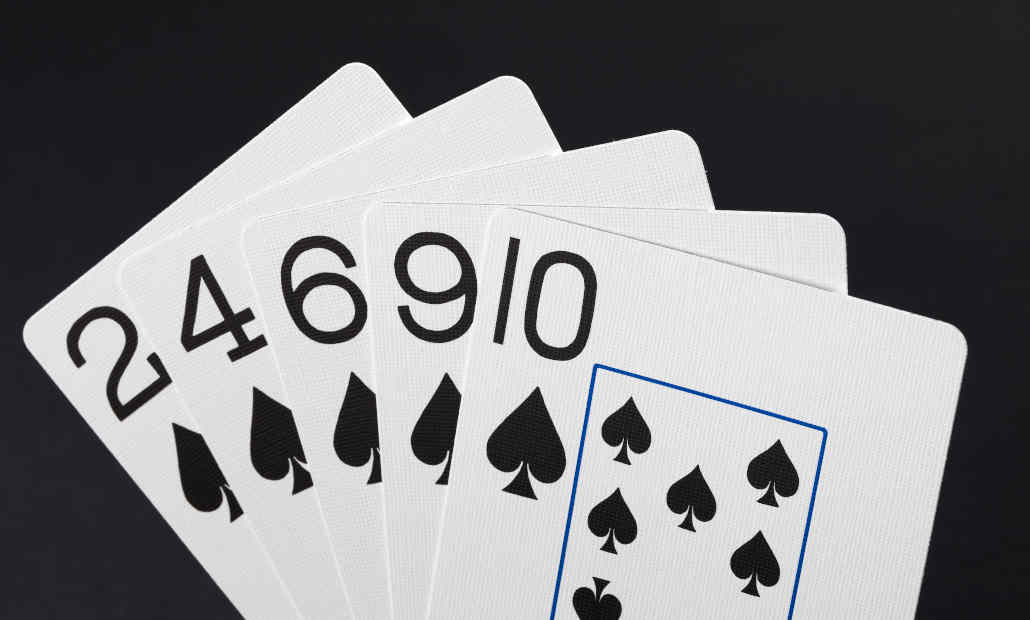
A Flush is any five cards of the same suit that are not in sequence. For example, K-J-8-5-3 all of hearts. If two players have a flush, the player with the highest card in their flush wins.
6. Straight
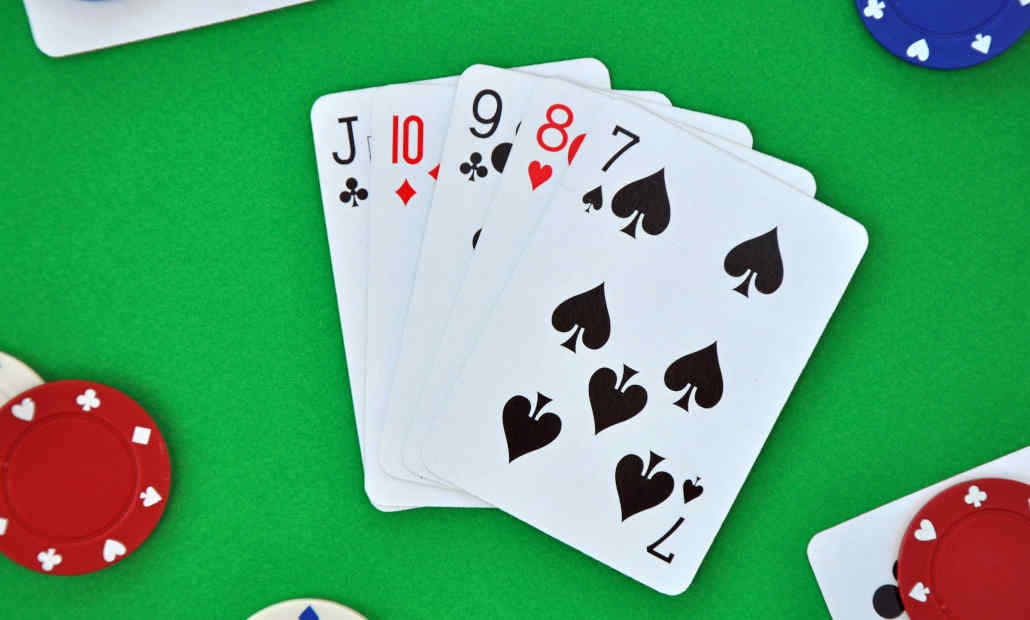
A Straight contains five cards of sequential rank but from different suits. An Ace can be high (A-K-Q-J-10) or low (A-2-3-4-5). If two players have a straight, the one with the higher top card wins.
7. Three of a Kind (Trips or a Set)
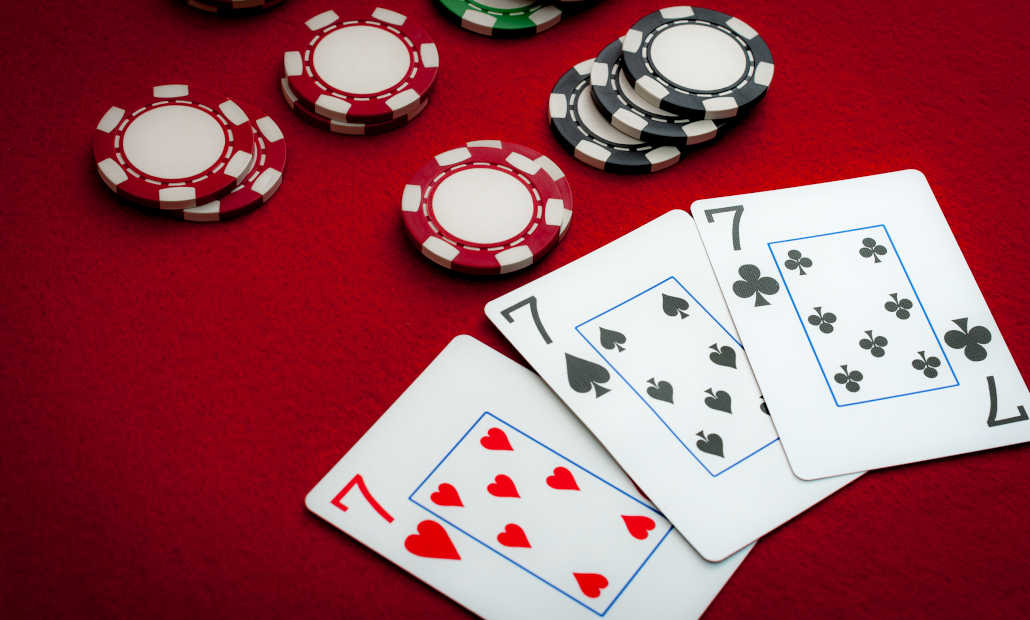
Three of a Kind is three cards of the same rank. Players often distinguish between a "set" (having a pocket pair that hits a third card on the board) and "trips" (using one hole card with two matching cards on the board). Sets are generally more deceptive and powerful.
8. Two Pair
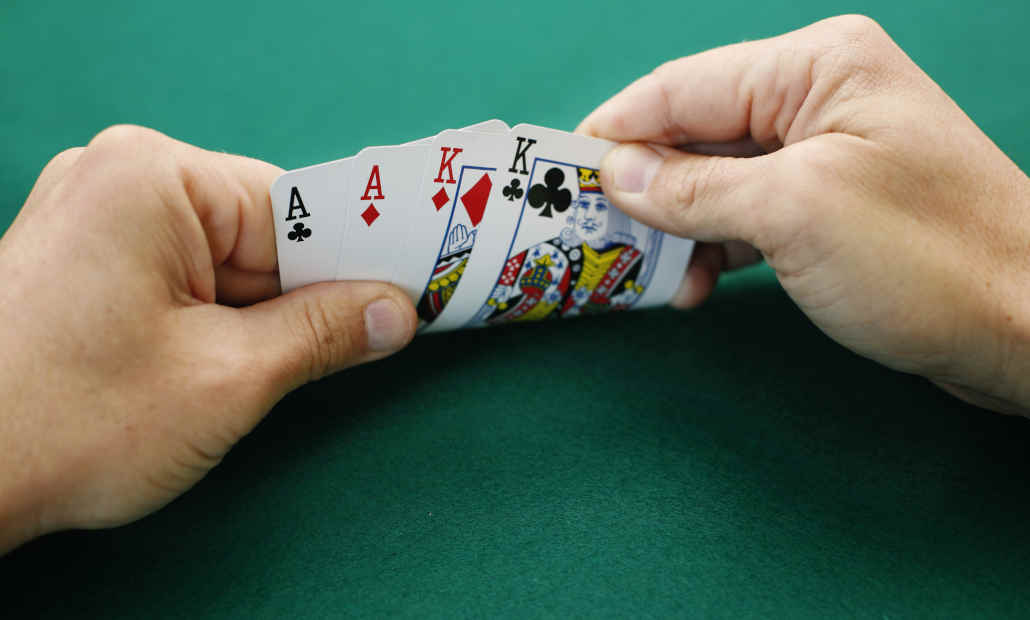
Two Pair is a hand containing two cards of one rank and two cards of another rank. For example, holding A-A-7-7. If two players both have two pair, the player with the highest pair wins.
9. One Pair
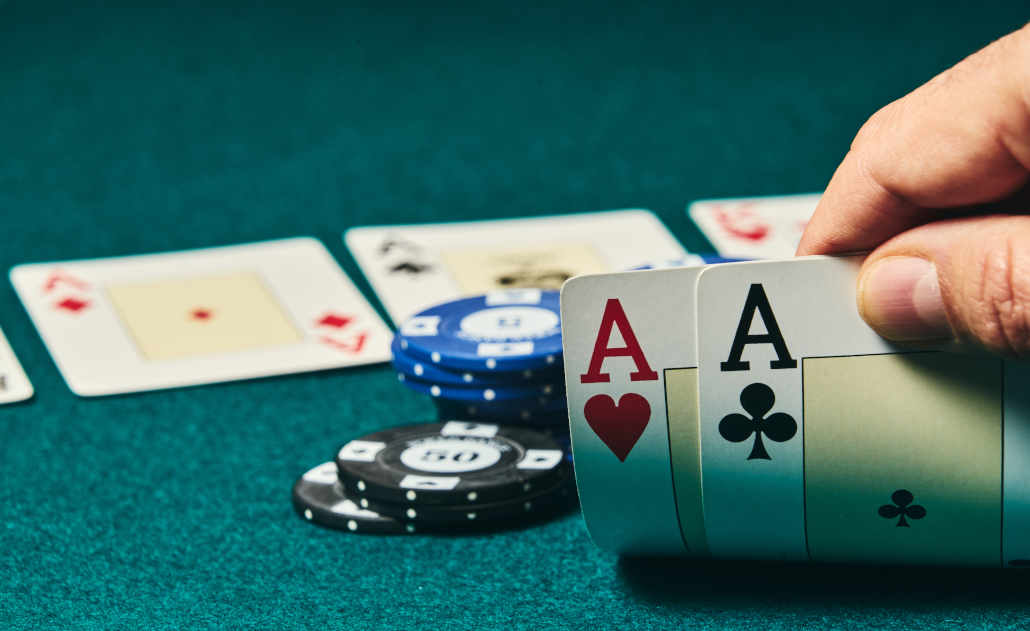
One Pair is simply two cards of the same rank. It's one of the most common hands in Texas Hold'em. The rank of the pair determines its strength; a pair of Aces is stronger than a pair of Kings.
10. High Card
If no player can make any of the hands listed above, the winner is determined by the High Card. The player with the single highest-ranking card wins. For example, an Ace-high hand beats a King-high hand.
Understanding Poker Probabilities and Odds
In a standard 52-card deck, there are 2,598,960 possible five-card hand combinations. The table below shows the odds of making each specific hand.
| Hand | Combinations | Probability | Odds |
|---|---|---|---|
| Royal Flush | 4 | 0.000154% | 649,739-to-1 |
| Straight Flush* | 36 | 0.00139% | 72,192-to-1 |
| Four of a Kind | 624 | 0.02401% | 4,164-to-1 |
| Full House | 3,744 | 0.1441% | 693-to-1 |
| Flush** | 5,108 | 0.1965% | 509-to-1 |
| Straight | 10,200 | 0.3925% | 254-to-1 |
| Three of a Kind | 54,912 | 2.1128% | 46-to-1 |
| Two Pair | 123,552 | 4.7539% | 20-to-1 |
| One Pair | 1,098,240 | 42.2569% | 1.37-to-1 |
| High Card | 1,302,540 | 50.1177% | ~1-to-1 |
*Does not include Royal Flushes.
**Does not include Royal Flushes or Straight Flushes.
The Importance of the Kicker
Sometimes, two or more players will have the same hand ranking, such as one pair or two pair. In these situations, the pot is decided by the kicker, which is the highest unpaired card in a player's hand. For example, if you have A-K and your opponent has A-Q on a board with an Ace, your King kicker beats their Queen kicker, and you win the pot.
Top 10 Best Starting Hands in Texas Hold'em
Knowing the hand rankings is just the start. Understanding which starting hands are the strongest will dramatically improve your results. Here are the top 10 best starting hands ranked by pre-flop equity.
- Pocket Aces (A-A): The best starting hand. A huge favorite against any other two cards.
- Pocket Kings (K-K): The second-best hand, only dominated by aces.
- Pocket Queens (Q-Q): A premium hand that is strong against almost everything except aces and kings.
- Pocket Jacks (J-J): A top-tier hand, but can be tricky to play if overcards appear on the flop.
- Ace-King Suited (A-K): Not a made pair, but has huge potential to make the nut flush, straight, or top pair with the best kicker.
- Pocket Tens (10-10): A strong pair that is often a favorite pre-flop.
- Ace-King Offsuit (A-K): Slightly less powerful than its suited counterpart but still a powerhouse.
- Ace-Queen Suited (A-Q): Excellent potential to make straights and flushes, along with a top pair.
- Pocket Nines (9-9): A solid medium pair that plays well in many situations.
- Ace-Jack Suited (A-J): Another strong suited ace hand with great playability post-flop.
Introduction to Poker Hand Ranges
Advanced poker players don't try to guess an opponent's exact two cards. Instead, they think in terms of hand ranges, which is the entire spectrum of possible hands an opponent could have in a given situation. By considering an opponent's position, betting patterns, and tendencies, you can narrow down their likely holdings and make more profitable decisions. Learning to think in ranges is a critical step in moving from a beginner to an experienced player.


