


Understanding the One Pair Poker Hand
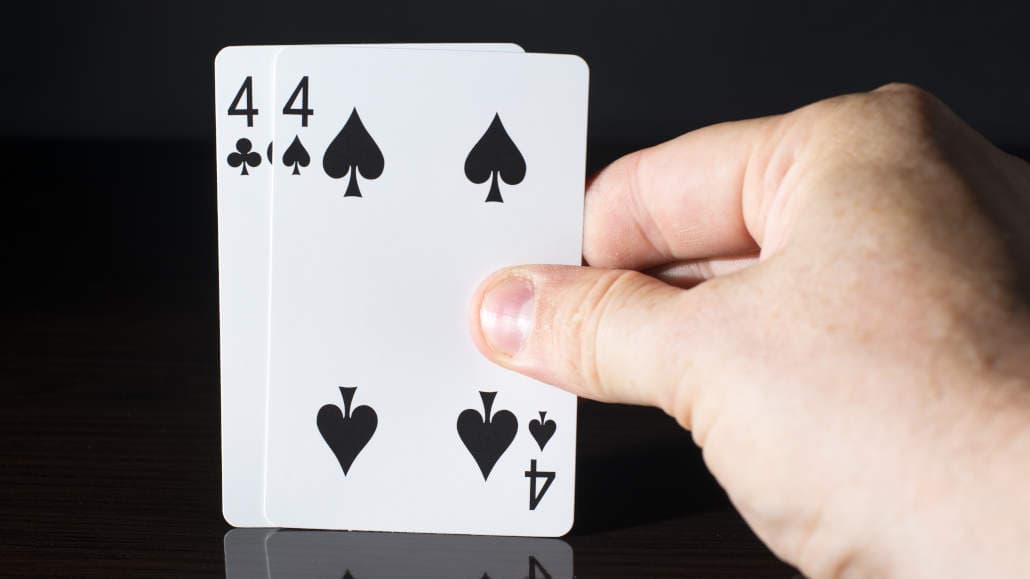
The one pair poker hand is a fundamental building block in the world of poker. It's often the first 'made hand' a new player learns to recognize beyond a simple high card. By definition, a one pair hand consists of two cards of the identical rank, accompanied by three other cards of different ranks, known as 'kickers'. For example, having A♠, A♡, K♣, 10♦, 5♠ in your five-card hand constitutes a pair of Aces. This hand is simple to spot but mastering how to play it is a crucial skill for any aspiring player.
One Pair in the Poker Hand Hierarchy
To effectively use a one pair hand, you must know its place in the official poker hand rankings. It's a relatively low-ranking hand, but it still beats a significant portion of possible holdings.
"While not a powerhouse, a well-played pair is the bread and butter of consistent poker winnings. Ignoring its potential or overplaying its strength are common mistakes." - Poker Analyst
Here’s where one pair stands:
| Hand Ranking | Example | Compared to One Pair |
|---|---|---|
| Two Pair | K♥ K♠ 7♣ 7♦ 2♠ | Stronger |
| One Pair | A♣ A♦ Q♥ 8♠ 3♦ | - |
| High Card | A♣ K♦ J♥ 9♠ 6♠ | Weaker |
As shown, a one pair hand defeats a high card hand but loses to two pair and any other stronger combination like three of a kind, a straight, or a flush. The rank of the pair itself is also critical; a pair of Kings is much stronger than a pair of deuces.
The Deciding Factor: The Role of the Kicker
What happens when two players at showdown both have a one pair hand? This is where the kicker comes into play. The kicker is the highest-ranking card among the three non-paired cards in your hand. If two players have the same pair, the player with the higher kicker wins the pot.
Let's consider an example in Texas Hold'em. The community board is A♠ K♣ 8♦ 5♥ 2♠.
- Player 1 has: A♥ Q♥ (Hand: A♠ A♥ K♣ Q♥ 8♦)
- Player 2 has: A♦ 10♦ (Hand: A♠ A♦ K♣ 10♦ 8♦)
Both players have a pair of Aces. To determine the winner, we compare their highest kicker. Player 1 has a Queen, while Player 2 has a 10. Since the Queen is higher than the 10, Player 1 wins the entire pot. If the first kickers were the same, we would compare the second-highest kickers, and so on. Understanding the kicker is essential for evaluating the true strength of your one pair poker hand.
Strategy for Playing a One Pair Hand
Playing a one pair hand effectively depends on several factors, including the rank of your pair, your position at the table, and the actions of your opponents.
Top Pair, Middle Pair, and Bottom Pair
In community card games like Texas Hold'em, the strength of your pair is relative to the board.
- Top Pair: You have a pair using one of your hole cards and the highest card on the board. This is generally a strong hand.
- Middle Pair: Your pair uses a card that is not the highest or lowest on the board. This hand should be played with more caution.
- Bottom Pair: You have a pair with the lowest card on the board. This is a weak hand and is very vulnerable.
Betting and Position
With a strong one pair hand (like top pair with a good kicker), it's often correct to bet for value to get called by weaker hands. However, if you face a lot of aggression, especially on a board with many straight or flush possibilities, you may need to reconsider the strength of your hand. A weak pair is often best played passively, by checking and calling small bets, or simply folding to significant aggression.
Probability of Making a Pair
In Texas Hold'em, you will be dealt a pair in your starting hand (a pocket pair) roughly once every 17 hands, which is about a 6% chance. If you don't have a pair in your hand, the probability of hitting a pair on the flop using one of your hole cards is approximately 32.4%. These numbers highlight that the one pair hand is a very common occurrence, making it vital to learn its nuances to succeed in poker.


