


Why Does Roulette Have a Green Zero?
Roulette is a cornerstone of any casino, offering thrilling and straightforward gameplay. While easy to learn, understanding the fundamentals like roulette odds and payouts is key before placing your bets. This guide focuses specifically on the most distinctive pocket on the wheel: the green zero.
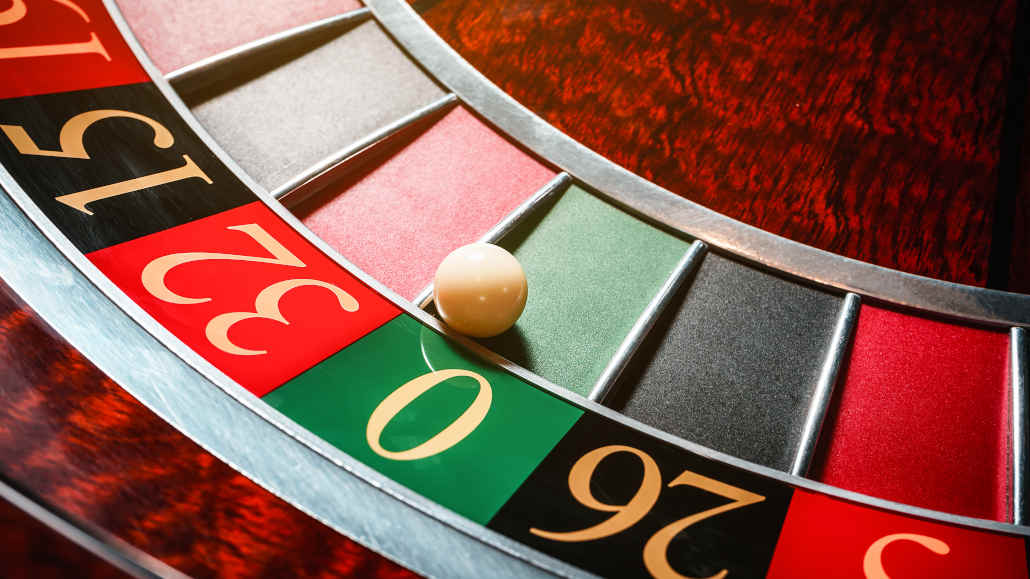
The green '0' pocket isn't just for color. It's the mechanism that creates the house edge. Originally, roulette wheels in the 19th century didn't have a zero. It was introduced in 1842 by Francois and Lois Blanc for King Charles III of Monaco to generate more revenue. This single change tilted the odds in favor of the casino, becoming a symbol of Monte Carlo's high-stakes gambling culture.
The addition of the zero pocket is the sole reason casinos have a mathematical advantage in roulette. Without it, even-money bets like Red/Black would be a true 50/50 proposition.
When the game traveled to the United States, casino operators added a second green pocket, the double zero (00), to further increase the house edge. This created the two main variations we see today: European (single zero) and American (double zero) roulette.

The Role of Green in Gameplay
The green zero pockets introduce an element of risk that makes the game exciting. While you can bet on green just like any other number, it primarily functions to disrupt even-money bets. If you bet on Red and the ball lands in the green pocket, your bet loses. This slight chance of failure on a near 50/50 bet is what keeps players engaged and provides the casino's profit margin.
Green Zero in American vs. European Roulette
The key difference between the two main roulette types is the number of green pockets. This distinction directly impacts the house edge roulette players face and their overall chances of winning.
American Roulette (0 and 00)
American roulette wheels have two green pockets, a single zero (0) and a double zero (00), positioned opposite each other. You can place a bet on either green pocket individually or on both simultaneously with a split bet. A successful straight-up bet on 0 or 00 yields a double zero roulette payout of 35 to 1, plus your original stake back. The presence of two zeros gives American roulette a significantly higher house edge of 5.26%.
European Roulette (0)
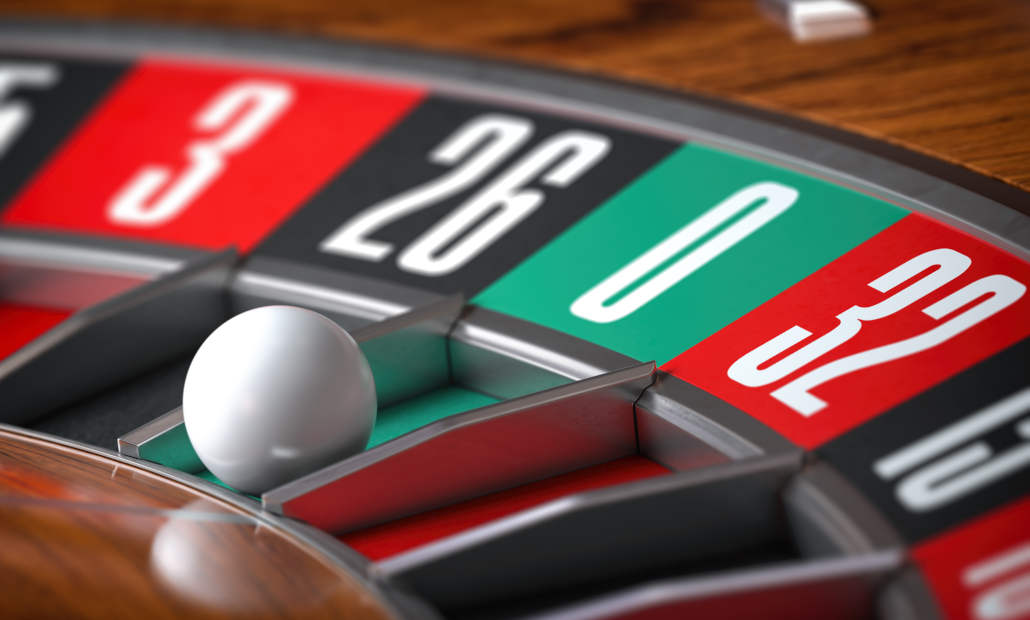
European roulette features only one green pocket, the single zero (0). With fewer pockets on the wheel (37 instead of 38), your probability of winning any given bet is higher. The payout for a winning bet on zero is still 35 to 1. However, because there's only one pocket that can cause an even-money bet to lose, the house edge is nearly half that of its American counterpart, standing at a much more favorable 2.7%.
Understanding Roulette Green Odds and Payouts
While the payout for hitting a single number is the same in both versions, the odds of it happening are different. It's crucial not to confuse casino payouts with true odds.
- Payouts are what the casino gives you for a winning bet (e.g., 35 to 1).
- Odds are the mathematical probability of an outcome occurring.
Single Zero Roulette Odds
In European roulette, with 37 total pockets, the probability of the ball landing on any single number, including the green zero, is 1 in 37, or 2.70%.
- Even Money Bets (Red/Black, Odd/Even): 48.65% chance of winning.
- Dozen/Column Bets: 32.43% chance of winning.
- Straight-Up Bet (on zero): 2.70% chance of winning.
Double Zero Roulette Odds
In American roulette, with 38 total pockets, the probability of hitting a specific number is 1 in 38, or 2.63%. This slight decrease in probability across the board is what raises the house edge.
- Even Money Bets (Red/Black, Odd/Even): 47.37% chance of winning.
- Dozen/Column Bets: 31.58% chance of winning.
- Straight-Up Bet (on 0 or 00): 2.63% chance of winning.
Should You Bet on the Green Zero?
Deciding whether to place a bet on green roulette comes down to your risk appetite. For high rollers seeking the biggest single-win excitement, a straight-up bet on zero offers the highest payout available in the game.
However, from a strategic standpoint, betting on zero is a low-probability wager. The odds are stacked against you, just as they are for any other single-number bet. For a more conservative strategy, focusing on outside bets like Red/Black or columns is statistically safer.
Ultimately, betting on green can be a thrilling move if you're looking for fun and the potential for a large reward. If your goal is to play longer and manage your bankroll, it's a bet to be made sparingly. For the best chances of winning, always choose a single zero roulette (European) table over a double zero (American) one, as the lower house edge provides significantly better value in the long run.


