
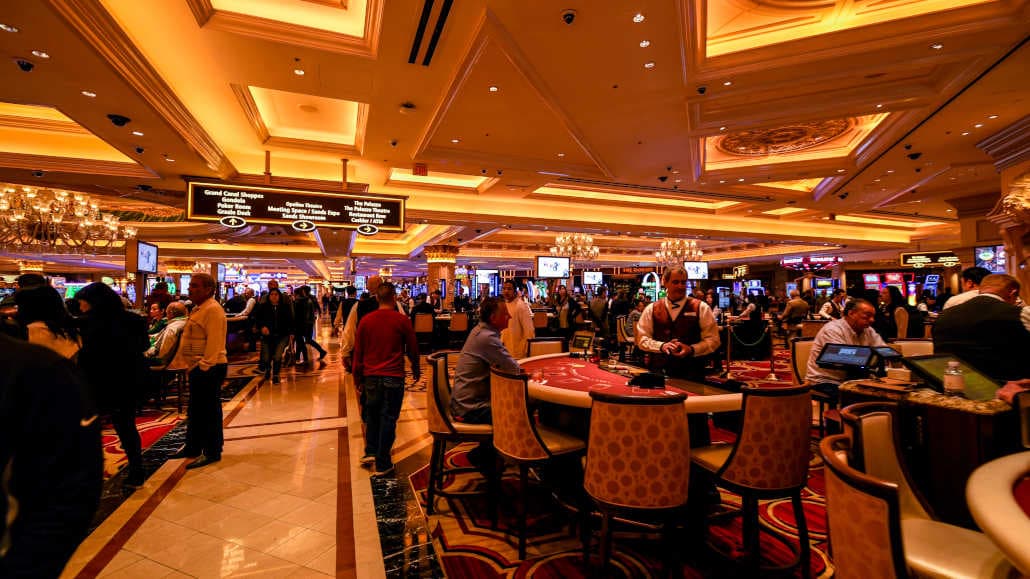


What Is Insurance in Blackjack?
Blackjack insurance is one of the most common and debated side bets in the game. It is offered to players only when the dealer's visible card is an ace. By taking this bet, you are wagering that the dealer's second, face-down card is a ten-value card (a 10, Jack, Queen, or King), which would give them a blackjack.
Many new players see it as a safety net for a bad hand, while seasoned veterans often call it a 'sucker bet.' The truth lies somewhere in the math. Understanding what insurance in blackjack is and how it works is critical before deciding if it fits your strategy.
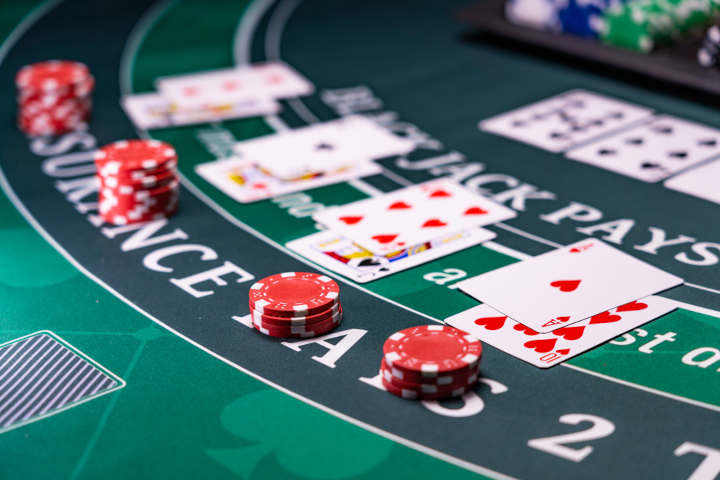
How Does Blackjack Insurance Work? The Rules
The rules for placing an insurance bet are simple. The round begins as usual, with players placing their initial bets. The dealer then deals two cards to everyone, including themselves, leaving one of their cards face up.
- The Offer: If the dealer's up-card is an Ace, they will ask players if they want to 'take insurance'.
- The Cost: The insurance bet costs half of your original wager. For example, if your initial bet was $20, the insurance bet would cost an additional $10.
- The Payout: If the dealer reveals their second card and has a blackjack, the insurance bet pays out at 2:1. In our example, you would win $20 from your $10 insurance bet. This effectively covers the loss of your original $20 wager.
- The Outcome: If the dealer does not have a blackjack, you lose your insurance bet, and the hand continues as normal against the dealer's final total.
It's crucial to remember that the insurance bet is separate from your main hand. You are making a new bet on a specific outcome: the dealer having a blackjack.
A Practical Example of an Insurance Bet
Let's walk through a scenario. You bet $20. The dealer's up-card is an Ace. You decide to take the insurance bet for $10.
- Scenario A: Dealer has Blackjack. The dealer's down-card is a King. You lose your original $20 bet. However, your $10 insurance bet wins and pays $20 (2:1 odds). You break even on the round, minus the cost of the bet itself.
- Scenario B: Dealer does not have Blackjack. The dealer's down-card is a 7. You immediately lose your $10 insurance bet. The hand continues. If the dealer ends up with a 18 and you have 17, you lose your original $20 bet as well, for a total loss of $30.
This second scenario highlights the risk. You can lose both your primary and insurance bets, increasing your total losses for the round.

Blackjack Insurance Odds and House Edge
The main reason experts advise against the insurance bet is the math. A standard deck has 16 ten-value cards out of 52. When the dealer shows an ace, for you to win the insurance bet, their other card must be one of these tens.
Assuming no other cards are known, there are 51 cards left. The probability of the next card being a ten is approximately 31.4% (16/51 in a single deck). The bet pays 2:1, which implies you need a 33.3% chance of winning to break even. Since your actual odds are lower, the bet has a negative expected value (EV).
The house edge on an insurance bet is often over 7%, making it one of the worst bets on the table. For every $100 you wager on insurance over time, you can statistically expect to lose more than $7.
When Should You Take Insurance in Blackjack?
Despite the poor odds, there is one specific situation where taking insurance can be a strategically sound move: when you are an experienced card counter.
If a card counter knows the deck is rich in ten-value cards, the probability of the dealer having blackjack increases significantly. In these rare instances, the insurance bet shifts from having a negative EV to a positive one. However, this requires a high level of skill and is not applicable to the vast majority of players.
Another scenario is when you have a blackjack yourself. Taking insurance guarantees a profit. This is often called taking 'even money.' While it seems safe, you are giving up the chance for a 3:2 payout on your blackjack to lock in a 1:1 win.
How Insurance Compares to Other Blackjack Side Bets
Blackjack insurance is just one of many side bets available. Most side bets offer high payouts but come with a steep house edge, making them generally unfavorable for the player. Here's a quick comparison:
| Side Bet | What It Is | Typical House Edge |
|---|---|---|
| Insurance | Betting the dealer has a blackjack. | ~7% |
| Perfect Pairs | Betting your first two cards will be a pair. | Up to 11% |
| 21+3 | Betting your first two cards and the dealer's up-card will form a poker hand. | Up to 9% |
| Lucky Ladies | Betting your hand will total 20 points. | Over 24% |
| Super Sevens | Betting on receiving sevens in your hand. | Up to 11% |
As you can see, while some bets offer higher potential rewards, they almost always give the casino a much larger advantage than standard blackjack play.
The Verdict: Should You Ever Take Insurance?
So, should you use the insurance bet? For almost all players, the answer is a firm no. The math is clear: it's a losing proposition in the long run. The high house edge will eat away at your bankroll over time.
You are better off sticking to a solid basic blackjack strategy and ignoring the insurance offer. While it might save you from a loss occasionally, the times you lose the insurance wager will far outweigh the wins. Unless you're a professional card counter with a clear advantage, declining insurance is the smartest play.


