


What is Surrender in Blackjack?
To be a winning blackjack player, you must understand every tool available. One of the most underutilized is the blackjack surrender rule. This strategic move can be a great way to save money and ensure optimal play over time.
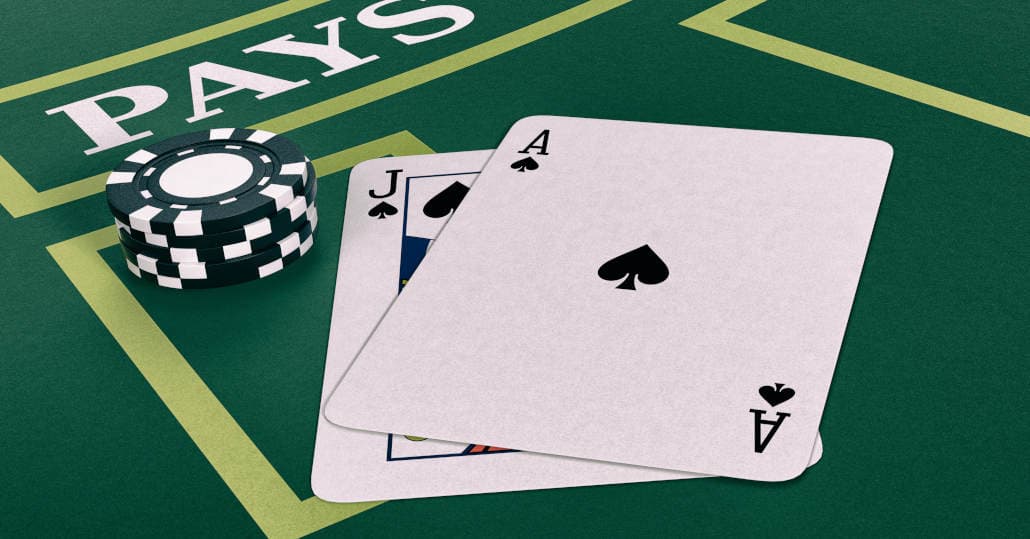
Surrendering in blackjack means giving up your hand right after the initial deal. In return, you only lose half of your bet. The core idea is to cut your losses when you have a very bad hand and the dealer is showing a strong one. Instead of playing out a round you are likely to lose, you quit early.
This is a smart play for serious players who focus on maximizing the value of every bet. However, the surrender option isn't available at every casino. Always ask the dealer if surrender is allowed before you start playing.

Understanding Early vs. Late Surrender Rules
Players are often divided on the surrender rule. Some think it's an unfavorable play, while others see it as a key part of advanced blackjack strategy. To make the right call, you need to understand the two types of blackjack surrender: early and late.

Early Surrender
Early surrender blackjack allows you to forfeit your hand *before* the dealer checks their hole card for a natural blackjack. This is the best version for the player, as you can escape even if the dealer ends up having 21.
When you use an early surrender, you get half of your initial bet back, regardless of the dealer's hand. This option is rare because it significantly lowers the house edge by about 0.6% when used with basic strategy.
Late Surrender
Late surrender blackjack is more common. With this rule, you can only surrender *after* the dealer has checked for a natural blackjack. If the dealer has a blackjack, the surrender option is off the table, and you lose your entire bet.
You can only use the late surrender option if the dealer checks their hand and does not have a natural. This rule affects the house edge by only about 0.1%, making it more appealing for casinos to offer.
When to Surrender in Blackjack
While surrendering might seem like a good way out of any bad hand, you should only use it in specific situations. Here’s a simple guide on when to surrender in blackjack.
When to Use Early Surrender
Early surrender is a powerful tool. Use it in these three key scenarios:
- Dealer shows a 10, and you have a hard 14, 15, or 16: These are tough hands with a high risk of busting. Surrendering is your best move.
- Dealer shows an Ace, and you have a pair of 3s, 6s, 7s, or 8s: Normally, these are good hands to split. But against an Ace, an early surrender is a smarter play.
- Dealer shows an Ace, and you have a hard total of 5-7 or 12-17: If you don't have a total between 8 and 11 for a potential double down, surrendering is the optimal choice.
When to Use Late Surrender
The strategy for late surrender is more limited. Follow these tactics:
- Dealer shows an Ace, and you have a hard 17: You should always surrender here if the dealer stands on a soft 17.
- Dealer shows an Ace or a 10, and you have a hard 16: This is the most common and important surrender play. A hard 16 is the worst hand in blackjack, and surrendering is your best bet against a dealer's strong card.
- Dealer shows an Ace, and you have a hard 15: Use this rule unless the dealer must hit on a soft 17.
When You Should Never Surrender
Just as important is knowing when to avoid surrendering. Here are common mistakes to avoid for both surrender types.
When to Avoid Early Surrender
- Dealer shows a 10, and you have a hard 14: In single-deck or double-deck games with specific card combinations (like 10-4 or 9-5), it's better to stay in the game.
- Dealer shows a 10, and you have a pair of 8s: If you are playing a single-deck game that allows doubling after a split, you should never surrender this hand. Splitting is far more profitable.
When to Avoid Late Surrender
- You have a total of 16, and the dealer shows a 9: It might feel similar to facing a 10, but your odds are better against a 9. The dealer is more likely to end up with a lower total, so you should not surrender.
- You have a total of 15 or 17, and the dealer has a soft 17: This is a counter-intuitive tip that saves money. Trust the math on this one and play the hand out.
How to Surrender in Blackjack
Signaling a surrender is straightforward. When playing online, you just click the "Surrender" button.
In a physical casino, you can simply say "surrender" to the dealer to give up your hand. Some casinos also have a hand signal: draw a horizontal line on the felt behind your bet with your index finger.
Is Surrendering a Good Blackjack Strategy?
Making the decision to surrender can be tough. You are admitting defeat and giving up half your bet without a fight. If used incorrectly, it can definitely hurt your bankroll. However, when you look at it from a pragmatic, long-term perspective, the blackjack surrender rule is a valuable tool.
As the examples show, it's most effective when you hold a terrible hand like a hard 16 against a strong dealer card. By using the tips in this guide, you have the information needed to make the correct play. Sometimes, the best move is to cut your losses and live to fight the next hand.


