


What is Angle Shooting in Poker?
In the world of casino games, especially poker, there's a fine line between skillful play and unsportsmanlike conduct. Angle shooting falls squarely in the latter category. It refers to any action a player takes that is unethical and deceptive, intended to mislead opponents and gain an edge without explicitly breaking the game's rules.
Unlike cheating, which involves clear violations like hiding cards or colluding, angle shooting exploits the ambiguities in rules and etiquette. An angle shooter plays on the edge, using questionable tactics that, while not illegal, destroy the integrity of the game. It's a practice universally condemned by serious players and casinos because it fosters a distrustful and unpleasant environment.
A veteran poker pro once said, "The game is built on trust. An angle shooter chips away at that trust, one dirty trick at a time. It's not about being smart; it's about being dishonorable."
Angle Shooting vs. Bluffing: What's the Difference?
It's crucial to distinguish angle shooting from bluffing. Bluffing is an integral, legal, and celebrated part of poker strategy. It involves betting or raising with a weak hand to make opponents with stronger hands fold. A bluff is a deception within the rules of the game.
Angle shooting, however, is a deception that manipulates the rules and procedures of the game itself. A bluff is a lie about your hand; an angle shoot is a lie about your actions or intentions.
Common Examples of Angle Shooting
To fully understand this unethical poker move, it helps to see it in action. Here are some of the most common angle shooting examples you might encounter at a poker table.
The Fake Forward Motion
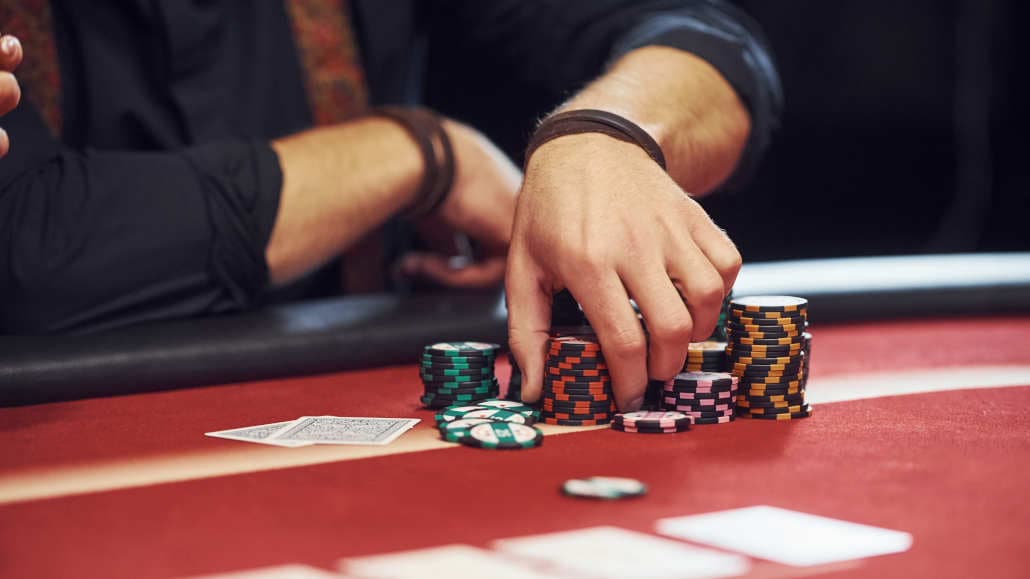
This is a classic tactic. A player makes a deliberate, exaggerated motion as if they are about to call a bet or fold their hand, hoping to see their opponent's reaction. For instance, after you make a large bet, your opponent might lurch forward with their chips, only to pull back. If you react by relaxing or showing relief, they've just gained valuable information about your hand's strength without risking a single chip.
Hiding High-Value Chips
A player might intentionally place their large-denomination chips behind smaller, less valuable stacks. This misleads opponents into thinking their chip stack is much smaller than it is. An unsuspecting player might go all-in, believing they have the angle shooter covered, only to find out they are risking far more than they anticipated.
The Ambiguous Bet
This move creates confusion. For example, a player might slide a single oversized chip into the pot without verbally declaring a 'raise'. According to the rules in many casinos, this is just a call. The angle shooter does this to gauge the reactions of other players before clarifying their intention, which is an unethical way to gain information.
Misdeclaring a Hand at Showdown
At the end of a hand, a player might falsely declare they have a winning hand, like a 'flush', hoping their opponent will instantly muck their cards in defeat. If the opponent mucks, the angle shooter can then show their losing hand and take the pot, as a mucked hand is dead. This is a predatory move that targets inexperienced or inattentive players.
How to Protect Yourself from Angle Shooters
Staying vigilant is key to avoiding becoming a victim of these unethical poker moves. Here are a few tips:
- Be Patient: Never react until your opponent has clearly completed their action. Wait for them to release chips into the pot or for the dealer to confirm their move.
- Protect Your Hand: Always keep your cards protected and don't muck them prematurely at showdown. Wait to see your opponent's hand before you discard your own.
- Clarify Actions: If a player's action is unclear, ask the dealer for clarification. Verbal declarations are binding, so encourage a table culture where players state their intentions clearly.
- Call the Floor: If you witness what you believe to be angle shooting, do not confront the player directly. Calmly call the floor manager or tournament director. They are trained to handle these situations and can issue warnings or penalties, protecting the integrity of the game.


