


What Exactly Does 'Check' Mean in Poker?
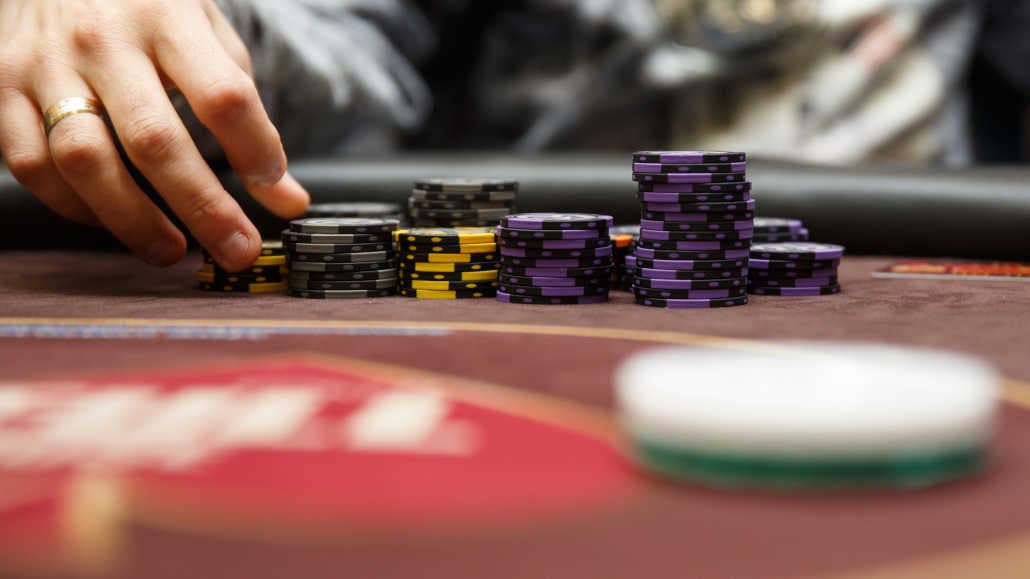
In the world of casino games, especially poker, the term 'check' is one of the first you'll learn. To check in poker is to pass the action to the next player in the betting round without wagering any money. You essentially bet nothing, while keeping your cards and remaining in the hand. The universal non-verbal signal for a check is tapping the table with your fingers or hand.
However, there's a critical rule: you can only check if no one before you has made a bet in the current round. If a player before you bets, your options change. You can no longer check; you must either call (match the bet), raise (increase the bet), or fold (surrender your hand).
The Strategic Power of Checking
While it might seem like a passive or weak move, checking is a vital part of advanced poker strategy. The poker check meaning goes far beyond simply not betting. It's a nuanced action used for several strategic purposes.
Pot Control and Seeing Free Cards
One common reason to check is for pot control. If you have a decent but not spectacular hand, you might check to keep the pot small. This avoids inflating the stakes with a marginal hand that could be easily beaten. Furthermore, if all players check in a round, you get to see the next community card (the flop, turn, or river) for free, which can be invaluable for a drawing hand (like a flush or straight draw).
Deception and the 'Check-Raise'
The most powerful use of this move is the check-raise poker tactic. This is an aggressive and deceptive play. Here's how it works: a player with a very strong hand checks, hoping to feign weakness. The goal is to entice an opponent to bet. Once the opponent bets, the original player then raises their bet substantially. This maneuver traps the opponent, forcing them to commit more chips to a pot where they are likely far behind. It's a classic way to maximize value from a monster hand.
A smart check is one of poker's most versatile tools. It can show weakness, pretend to be weak, or just manage the pot size. Learning how to check effectively is what separates casual players from serious contenders.
'Check' vs. Other Poker Actions
Understanding how a check fits with other options is key. Here’s a simple breakdown:
| Action | Description | Common Use Case |
|---|---|---|
| Check | Pass the action without betting. | When no one has bet and you want to see the next card or set a trap. |
| Bet | Make the first wager in a round. | You have a strong hand or want to bluff and force others to fold. |
| Call | Match the amount of a previous bet. | You have a decent hand and want to stay in to see how it develops. |
| Raise | Increase the amount of a previous bet. | You have a premium hand or are making a strong semi-bluff. |
| Fold | Discard your hand and exit the pot. | Your hand is weak and not worth investing more money in. |
The Other Casino Meaning: Are Checks and Chips the Same?
Beyond the poker action, the word 'check' has another meaning inside a casino. 'Checks' is industry jargon for casino chips. While players almost always call them 'chips', dealers, pit bosses, and other staff often refer to them as checks. For example, a supervisor might ask a dealer to verify the amount in a large bet by saying, "Check that stack." You might also hear the term when exchanging lower-value chips for higher-value ones, a process known as 'coloring up your checks'. So, a casino chips check isn't about verifying chips, but rather another name for the chips themselves.


