
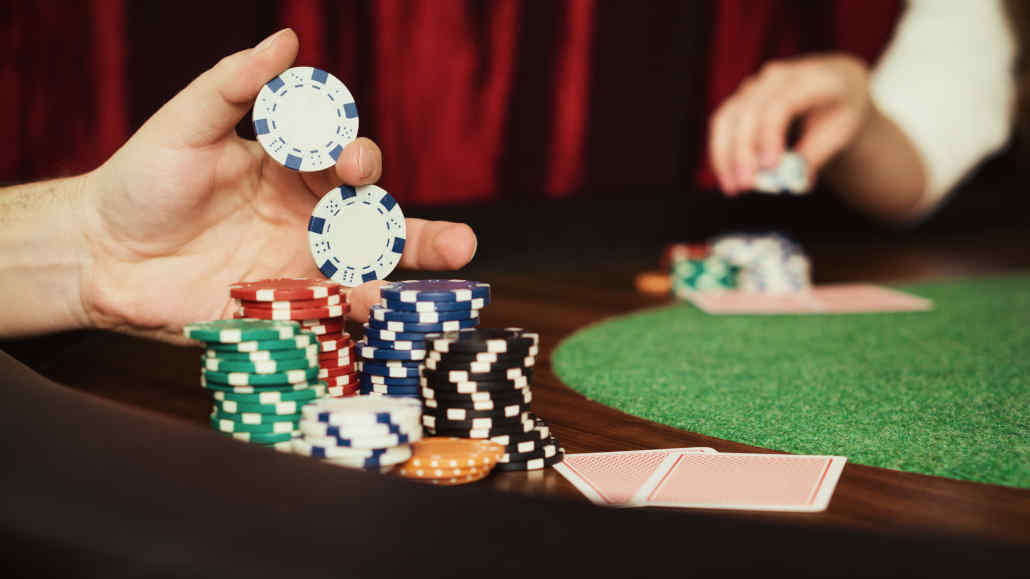


What Exactly is Heads Up Poker?
Heads Up Poker, often abbreviated as HU poker, is the purest form of the game. It's a direct confrontation where only two players are involved in a hand or a match. Unlike a standard table with six, nine, or even ten players, heads up play eliminates the complexity of multiple opponents, creating an intense, fast-paced duel that tests the skill and nerve of both competitors.
This one on one poker format can occur in any variant, from Texas Hold'em to Pot-Limit Omaha. The core dynamic, however, remains the same: every hand is a battle between you and a single adversary.
Where Does Heads Up Play Occur?
You'll encounter heads up situations in a few common scenarios in the casino world:
- Tournament Finales: This is the most common way players experience heads up play. After a long battle in a multi-table tournament, the field is whittled down until only two players remain. They then play heads up for the title and the top prize.
- Heads Up Tournaments: Some tournaments use a bracket-style format, like March Madness. Players are paired off to play one-on-one matches, with the winners advancing to the next round until a single champion is crowned.
- Cash Games & Sit and Gos: Casinos and online poker sites offer cash game tables and single-table tournaments (Sit and Gos) designed specifically for two players. Experts often seek out these games to leverage their skill edge against a single, often weaker, opponent.
Key Differences in Heads Up Strategy
Playing against one opponent is fundamentally different from playing against a full table. The strategy must adapt significantly.
Aggression is Key
In a heads up match, you're involved in every single hand, paying a blind each time. Passivity is a death sentence. You must play aggressively, raising frequently and putting pressure on your opponent to win pots without a showdown.
Positional Advantage and Hand Ranges
The dealer button holds a massive advantage. The player on the button is the small blind and acts last on every post-flop street, giving them more information before making a decision. Because you're playing every hand, you must drastically widen your starting hand range. Waiting for premium hands like pocket Aces or Kings will result in you being blinded out quickly. Hands like suited connectors, small pairs, and any two high cards become playable.
In heads-up play, there's nowhere to hide. It's the ultimate test of your poker knowledge, your psychological fortitude, and your ability to adapt to a single opponent.
Psychology and Bluffing
With only one person to focus on, reading their tendencies, betting patterns, and tells becomes the central focus of the game. Bluffing is not just an option; it's a necessity. You need to win pots with weaker hands, and that means convincing your opponent you're strong when you're not.
Heads Up vs. Full Ring Poker Comparison
| Feature | Heads Up Poker (2 Players) | Full Ring Poker (9 Players) |
|---|---|---|
| Pace of Play | Extremely fast, constant action | Slower, more waiting between hands |
| Hand Selection | Very wide range of hands played | Tight, selective starting hands |
| Importance of Aggression | Crucial for survival and success | Important, but can be balanced with passivity |
| Blind Frequency | Pay a blind every hand | Pay blinds once every nine hands |
| Player Focus | Intense focus on one opponent | Focus is spread across multiple opponents |
Mastering heads up poker strategy is often seen as the final frontier for a serious player. It sharpens your post-flop skills, hones your opponent-reading abilities, and builds mental toughness, making you a stronger player at any table size.


