
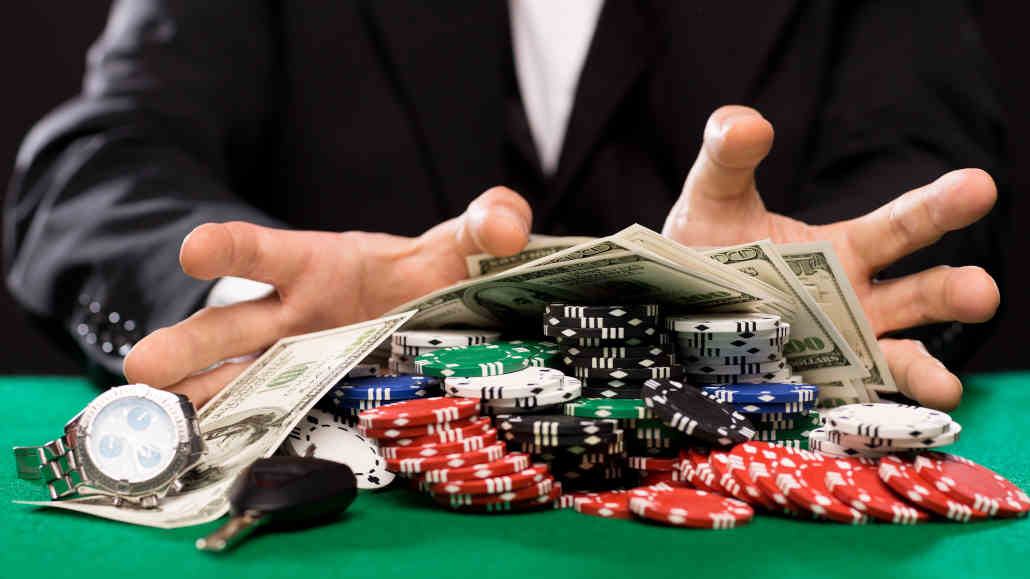


What Exactly is a Jam in Poker?
When you hear players talk about a poker jam, they are referring to a pot that has grown to a significant size due to heavy action. This isn't just a standard pot; it's one where multiple players have engaged in a series of bets, raises, and re-raises, inflating its value dramatically. Because of its size, it's often called a 'monster pot'.
The term 'jam' is also used as a verb. 'To jam' or 'jamming' means to play with extreme aggression, typically by making a large bet or raise. Most commonly, it means going all-in. This action puts maximum pressure on opponents, forcing them to decide whether to risk a substantial portion of their own stack to continue in the hand. The all-in jam is a powerful move in No-Limit Hold'em and other similar poker variants.
The Art of 'Jamming': Strategy and Psychology
A player's decision to jam is rarely random; it's a calculated move rooted in strategy. The primary goal is to achieve one of two outcomes: get called by a weaker hand (a value bet) or force a better hand to fold (a bluff). The effectiveness of this aggressive poker play depends heavily on the context of the game, including stack sizes, player positions, and opponent tendencies.
Key strategic concepts behind jamming include:
- Fold Equity: This is the probability that your opponent(s) will fold to your bet. A jam generates maximum fold equity because it costs your opponent their entire stack (or yours, whichever is smaller) to call.
- Pot Commitment: When a significant portion of a player's stack is already in the pot, they are more likely to call an all-in jam. Smart players jam when they believe their opponent is not yet committed enough to call with a marginal hand.
- Image and Metagame: Your reputation at the table influences how your jam is perceived. If you're known as a tight player, your jam will be respected more than if you're a loose, aggressive player who jams frequently.
Value Jam vs. Bluff Jam: Knowing the Difference
The motivation behind a jam separates it into two distinct categories. Understanding this is central to a successful jamming poker strategy. A player jamming with the best hand wants a call, while a player bluffing is desperate for a fold.
"A well-timed jam is more than just a bet; it's a story. You're telling your opponent you're either invincible or completely desperate. Their job is to figure out which story is true."
| Feature | Value Jam | Bluff Jam |
|---|---|---|
| Goal | To get called by a worse hand and maximize winnings. | To make a better hand fold and win the pot uncontested. |
| Hand Strength | Very strong, often the 'nuts' or close to it. | Weak, likely a busted draw or a complete airball. |
| Ideal Opponent | A player with a strong second-best hand who is likely to call. | A tight player who is capable of folding a decent hand. |
| Desired Outcome | A call from one or more opponents. | An immediate fold from all opponents. |
How to React When an Opponent is Jamming
Facing a jam is one of the most stressful situations in poker. Your decision can make or break your session. Before you call, you must evaluate several factors. Consider the pot odds you're being offered versus your hand's equity against your opponent's likely range of hands. Analyze your opponent's recent actions. Have they been playing aggressively or passively? A jam from a typically cautious player is a huge red flag. Your own stack size is also critical. If calling the jam and losing would cripple your stack, you need a much stronger hand than if you can afford to lose the chips. Knowing these poker betting terms and the math behind them is essential for making the right decision against a poker jam.


