
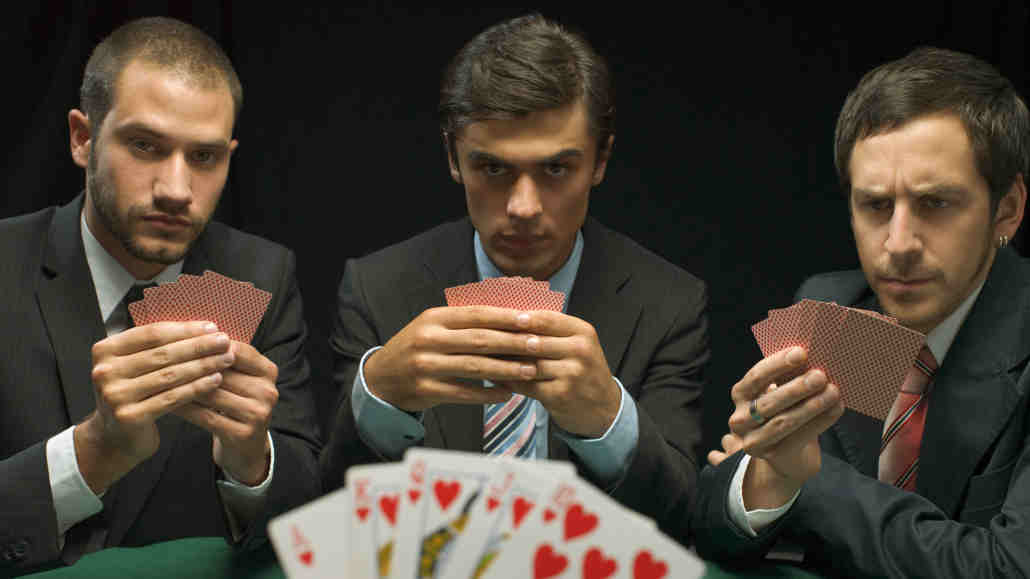


The Real Meaning of a Poker Face in Casinos
The term poker face refers to a blank, emotionless facial expression that gives no clues about your thoughts or feelings. In the context of casino card games, particularly poker, it's a critical strategic tool. A player with a good poker face remains stoic and unreadable, whether they're holding a royal flush or a completely worthless hand. This prevents skilled opponents from picking up on subconscious signals, known as 'poker tells,' which could reveal the strength or weakness of your cards.
Understanding what is a poker face is the first step; implementing it is the real challenge. It goes beyond just not smiling or frowning. It involves controlling micro-expressions, maintaining consistent breathing, and avoiding any sudden changes in demeanor that could tip off your intentions. It's the art of becoming an emotional fortress at the card table.
Why a Poker Face is a Crucial Poker Strategy
Your success in poker often depends as much on psychology as it does on the cards you're dealt. A solid poker face is a cornerstone of any effective poker strategy because it directly impacts your ability to control the flow of information.
- Concealing Tells: Many players unconsciously give away information. A slight widening of the eyes with a great hand or a nervous twitch when bluffing are common poker tells. A disciplined poker face masks these giveaways.
- Enhancing Bluffs: Effective bluffing in poker is impossible if your face betrays your anxiety. A calm, consistent expression makes your bluffs far more believable, forcing opponents to fold stronger hands.
- Psychological Warfare: An unreadable opponent is an intimidating one. By giving nothing away, you create uncertainty and frustration in other players, which can lead them to make costly mistakes.
A great poker player can read your soul, but only if you let them. Your face is the front door; keep it locked. Mastering emotional control is just as important as knowing the odds.
How to Develop and Maintain a Poker Face
Developing a reliable poker face requires practice and self-awareness. It's not a skill you're born with, but one you can cultivate. Here are some practical tips on how to have a poker face:
- Stay Consistent: The key is consistency. Adopt a neutral, relaxed expression and maintain it through every hand, win or lose. Don't change your posture, your gaze, or how you handle your chips.
- Control Your Breathing: Nerves can cause shallow, rapid breathing. Focus on slow, deep breaths to stay calm and keep your body relaxed. This helps prevent physical tells like shaking hands.
- Use Props (Strategically): While not a substitute for discipline, sunglasses can hide darting eyes, and a hat can shadow your face. Many pros use them to help mask potential tells.
- Detach Emotionally: Don't get too high on big wins or too low on bad beats. View each hand as a single, calculated decision. Emotional detachment is fundamental to maintaining your composure and your poker face.
Good Poker Face vs. Bad Poker Tells
Understanding the difference between a player in control and one who is an open book can dramatically improve your game. Here’s a quick comparison:
| Characteristic | Player with a Good Poker Face | Player with Obvious Poker Tells |
|---|---|---|
| Expression | Neutral, calm, and consistent | Smirks with good hands, frowns with bad |
| Eye Contact | Steady and controlled gaze | Eyes widen with a strong hand, avoids eye contact when bluffing |
| Betting Motion | Smooth, deliberate, and unchanging | Shaky hands when nervous, forceful bets when confident |
| Predictability | Low. Actions are not tied to emotions. | High. Easily read by observant opponents. |
Ultimately, a poker face is about discipline. It's a mental game that you play alongside the card game, and mastering it gives you a significant and lasting advantage at any casino table.


