
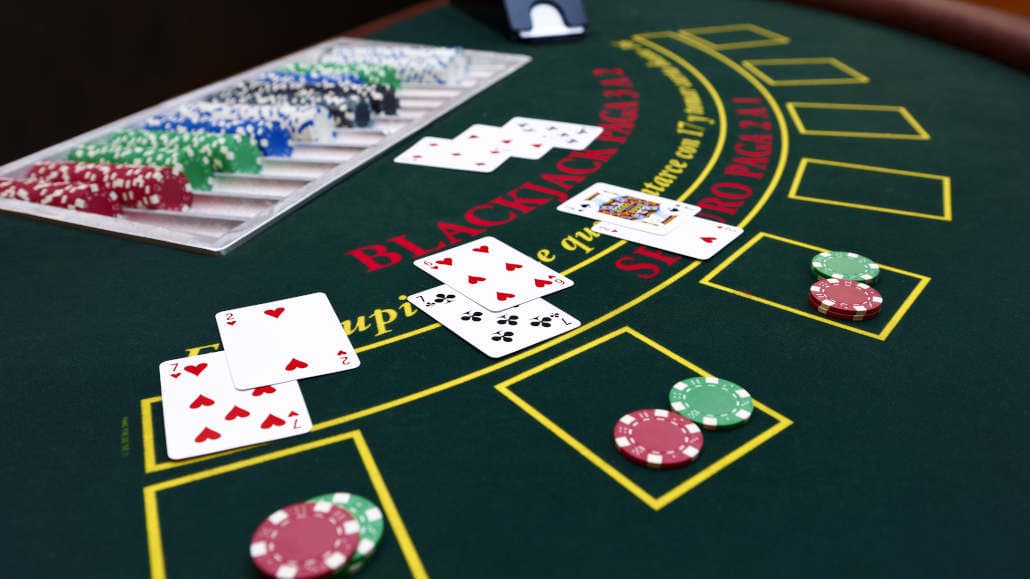


What is a Double Down in Blackjack?
If you've played blackjack, you've likely heard of the double down. This move is a fundamental part of any solid blackjack strategy. In simple terms, doubling down lets you double your initial wager after seeing your first two cards. In return for this increased bet, you receive exactly one more card. After that third card is dealt, your turn is over, and you must wait to see the dealer's final hand.
Essentially, you're making an aggressive play when you have a statistical advantage. It's a calculated risk based on the strength of your hand and the dealer's visible card.
A successful blackjack double down can be very profitable, but it's not a move to use carelessly. Doubling down too often is a fast track to draining your bankroll. The key is knowing the specific situations where this play gives you the best odds of winning.
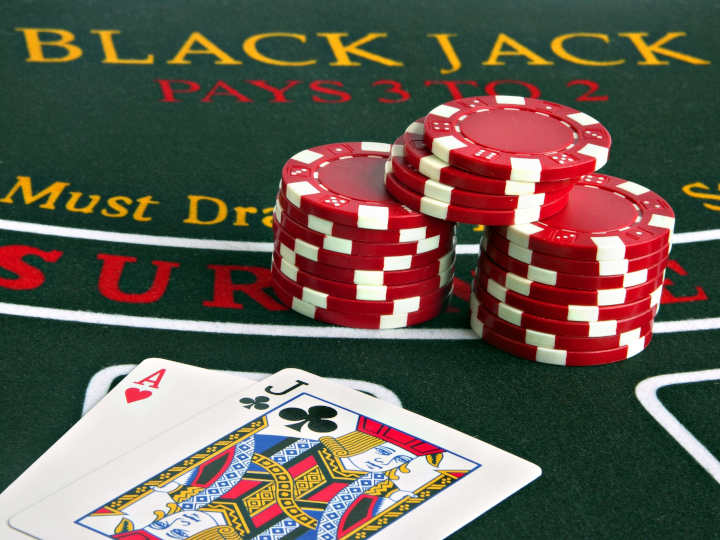
When to Double Down: The Optimal Strategy
Knowing when to double down in blackjack separates informed players from casual ones. While many online sources offer advice, a few core strategies are mathematically proven to be the most effective. Here are the prime opportunities to make your move.

With a Hard 9 or 10
A hard hand is any total that does not include an Ace. If your first two cards give you a hard 9 or 10, you should consider doubling down, but only if the dealer's upcard is lower than your total. For example, a hard 10 against a dealer's 9 is a strong position. This play puts you in a favorable spot to receive a high-value card and win the round.
With a Total of 11
This is the single best hand to double down with. With a total of 11, you have a very high chance of getting a 10-value card, resulting in a 21. Even better, it's impossible to bust with one card on a total of 11. This is the most clear-cut and advantageous situation for a blackjack double down.
With a Soft 16, 17, or 18
A soft hand is one that includes an Ace, which can count as either 1 or 11. Having a soft 16, 17, or 18 gives you flexibility. If the dealer shows a low card (like a 4, 5, or 6), it's often a good time to double down. The Ace protects you from busting with your next card, and you have a solid chance to improve your hand total while the dealer is in a weaker position.
Common Double Down Mistakes to Avoid
Just as important as knowing when to double down is knowing when not to. Making this move at the wrong time is a costly error. Here are two critical situations where you should never double down.
If the Dealer Has an Ace
This is a rule to live by. If the dealer's upcard is an Ace, they have a strong chance of hitting blackjack. Regardless of how good your hand feels, the odds are heavily stacked against you. Doubling down here is an unnecessary risk that rarely pays off. It's best to play conservatively and avoid putting more money on the table.
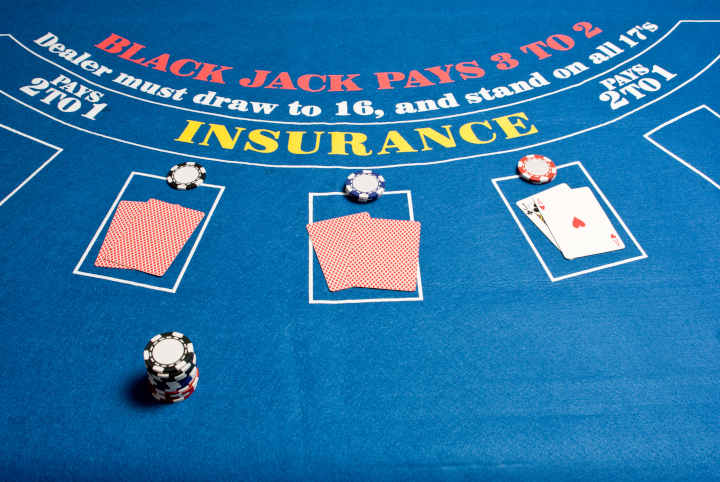
If You Have a Hard Hand Bigger Than 11
Another obvious but common mistake is doubling down on a hard hand of 12 or more. For example, if you have a total of 12, your chances of busting by drawing a 10-value card are very high. In this scenario, it is much safer to hit or stand based on basic strategy rather than risking double the money on a likely bust.
Additional Rules to Know Before You Double Down
Before you start applying this strategy, remember that casino rules can vary. Here are a few things to check.
- Casino Rules: Some casinos have specific restrictions, such as only allowing players to double down on totals of 10 or 11. Always check the table rules before you play.
- Hitting and Splitting: In most casinos, you cannot hit and then decide to double down. The decision must be made immediately after your first two cards are dealt. Similarly, while some casinos allow you to double down after splitting a pair, others do not. This favorable rule is known as 'Double After Split' or DAS.
How to Signal You Want to Double Down
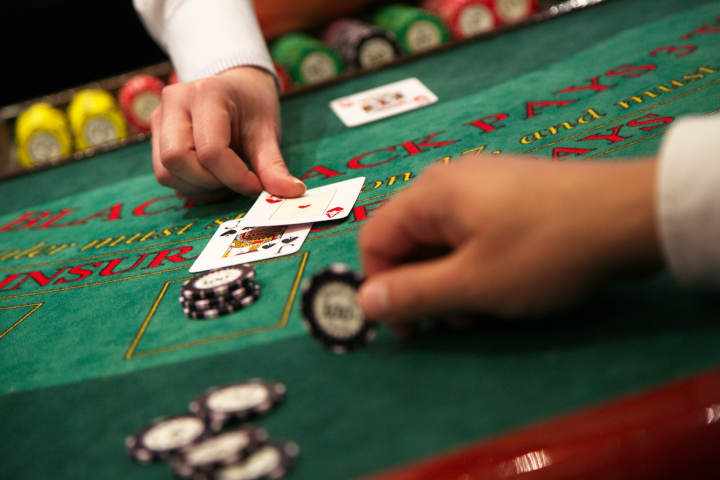
Signaling your intent to the dealer is simple. After receiving your first two cards, place an additional stack of chips equal to your original bet next to it. Do not place the new chips on top of the original stack. Placing them alongside clearly indicates your intention to double down without creating confusion. If you're ever unsure, you can simply tell the dealer, "Double down," and point with one finger.
Final Thoughts on Doubling Down
The blackjack double down is a powerful tool when used correctly. It requires discipline and an understanding of the optimal moments to increase your wager. By following the strategies outlined here, you can turn favorable situations into significant wins. Remember to use this move responsibly and only when the odds are in your favor. With practice, you'll know exactly when to double down and improve your overall performance at the blackjack table.


