


Understanding the Double Down Bet
In the world of casino table games, few moves are as bold as the double down. Primarily used in the game of blackjack, this betting option allows a player to double their initial wager in exchange for one, and only one, additional card. It's a high-stakes play that signals confidence in your hand and puts pressure on the dealer. Mastering the double down is a key component of any successful blackjack strategy, turning favorable situations into significant wins.
The core idea is simple: if your first two cards give you a statistical advantage, why not capitalize on it? By doubling your bet, you're aiming to double your profit. However, the risk is equally doubled. If the single card you receive doesn't improve your hand and the dealer wins, you lose both your original and your additional bet. This makes knowing what is double down and, more importantly, when to use it, absolutely critical.
How to Double Down in a Game of Blackjack
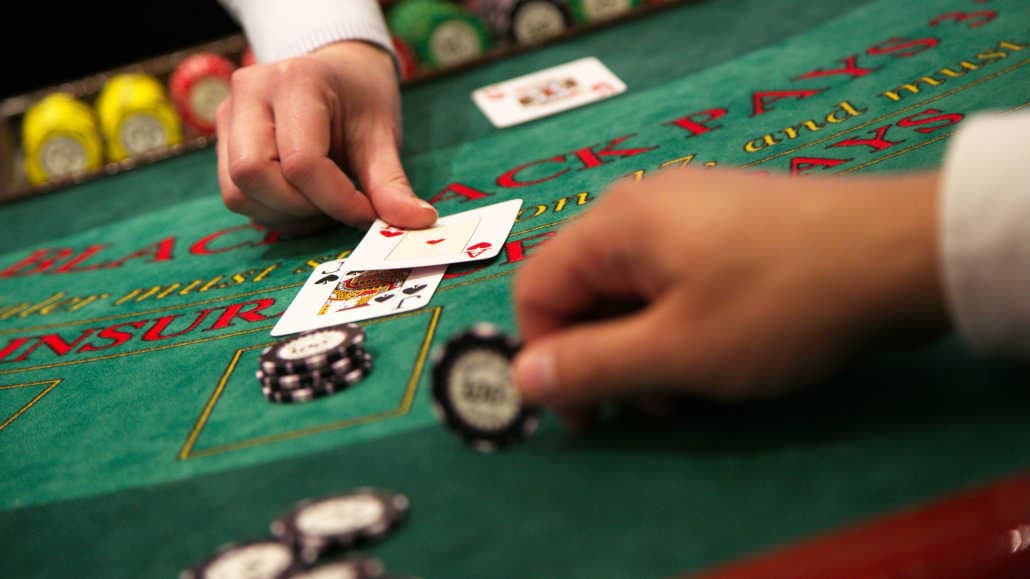
Executing a double down bet at a casino is straightforward. After receiving your initial two cards, you assess your hand and the dealer's visible card. If you decide the situation is right, you place an additional wager on the table equal to your original bet. You can typically do this by placing the chips next to your first bet. Once you signal your intent to the dealer, they will deal you one final card, placed horizontally to signify that your hand is complete and you cannot hit again. Your round is then over, and you must wait for the dealer to play out their hand to see the outcome.
The Optimal Blackjack Strategy for Doubling Down
Knowing how to double down is less about the physical action and more about the strategic timing. Basic blackjack strategy, based on mathematical probabilities, provides clear guidelines on when this move is most profitable. It boils down to two primary scenarios: when you have a strong starting total, or when the dealer's upcard is weak.
When Your Hand Total is a Hard 9, 10, or 11
These are the most powerful and common situations to double down. A "hard" total is one without an Ace, or with an Ace that must be counted as 1. With a total of 11, you have a very high chance of drawing a 10-value card (10, Jack, Queen, or King) to make 21. Similarly, a total of 10 is very likely to become a 20. A hard 9 is slightly riskier but is still a favorable position against a weak dealer.
Knowing when to execute the double down bet separates the casual player from the serious strategist. It’s an aggressive move that, when used correctly, can dramatically shift the session’s outcome in your favor.
Here’s a simple table to guide your decision:
| Your Hand Total | Dealer's Upcard | Action |
|---|---|---|
| Hard 11 | 2 through 10 | Double Down |
| Hard 10 | 2 through 9 | Double Down |
| Hard 9 | 3 through 6 | Double Down |
When You Have a Favorable Soft Total (with an Ace)
A "soft" total includes an Ace that can be counted as either 1 or 11. These hands are great for doubling down because you cannot bust with a single card. For instance, if you have an Ace and a 6 (a soft 17), and you draw a 5, your new total is 12 (Ace as 1 + 6 + 5), not 22. This flexibility makes soft hands prime candidates for a double down bet against a vulnerable dealer, particularly one showing a 4, 5, or 6.
Common Mistakes: When Not to Double Down
Just as important as knowing when to double down is knowing when to avoid it. A common error is doubling down out of sheer excitement or on a gut feeling. Never double down when the dealer is showing an Ace, as their odds of getting blackjack are high. You should also avoid doubling down on any hand total higher than 11. The risk of busting with one card is far too great, and the smarter play is to simply hit or stand based on standard strategy. Understanding these boundaries is a key part of leveraging casino terms like the double down effectively.


