
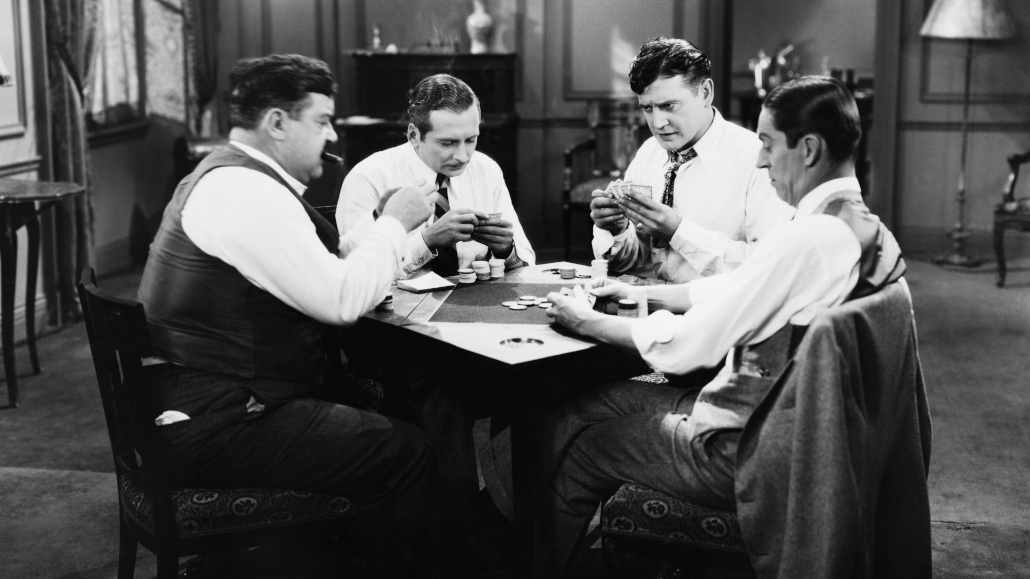


Understanding the Unwritten Rules of Poker
Poker is a game of skill, strategy, and social interaction. While official rules govern the gameplay, a set of unwritten guidelines, known as poker etiquette, dictates how players should behave at the table. Adhering to these norms is essential, especially in live games where you interact directly with other players and casino staff. Whether you're a newcomer or just need a refresher, mastering these poker table rules will improve your experience and earn you respect in any poker room.
1. Always Wait for Your Turn
One of the most fundamental rules of live poker is to act only when it's your turn. Acting out of turn, whether folding, calling, or raising, can unfairly influence other players' decisions. For example, folding early might signal weakness and encourage others to bluff. In tournaments, acting out of turn can result in a penalty, such as sitting out for a round. In cash games, it's simply considered poor form and disrupts the flow of the game.
Patience is key. Pay attention to the action and wait for the dealer to signal that it's your turn to act. This simple act of courtesy maintains the integrity of the game.
2. Don’t Intentionally Slow the Game Down
While it's acceptable to take time for a difficult decision, consistently taking too long on simple actions is poor poker etiquette. This practice, often called "tanking," frustrates other players who want to play more hands. Be mindful of others' time. For straightforward decisions like folding a weak pre-flop hand, act promptly. Save your longer pauses for crucial moments when significant chips are on the line.
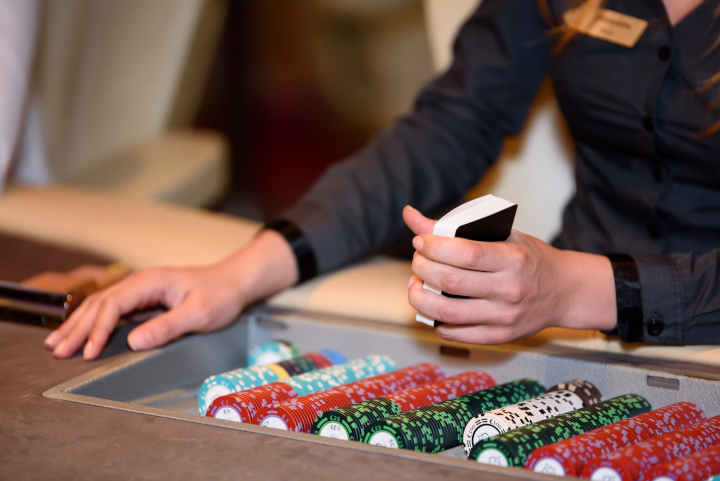
3. Avoid Discussing the Hand in Progress
Never talk about your cards or speculate on opponents' hands while a hand is still active. This applies whether you're still in the pot or have already folded. Commenting on the board cards or your folded hand gives players an unfair advantage and is a serious breach of Texas Hold'em etiquette. Once the hand is complete, you can discuss it, but while chips are still in play, silence is golden.
4. Be a Gracious Winner
Winning a big pot feels great, but celebrating excessively at your opponent's expense is unacceptable. Don't gloat, criticize their play, or offer unsolicited advice. A simple "nice hand" or even just quietly stacking your chips is the respectful approach. Remember, poker has swings; the player you beat today might be the one taking your chips tomorrow. Good sportsmanship ensures a better atmosphere for everyone.
5. Respect the Casino Staff
Dealers and other casino employees are there to facilitate the game. Harassing them over a bad beat, a ruling, or a slow drink order is out of line. Dealers have no control over the cards you receive. Mistakes can happen, but they should be addressed calmly and politely. Tipping the dealer after a win is customary and appreciated, but never feel it entitles you to better cards or special treatment.
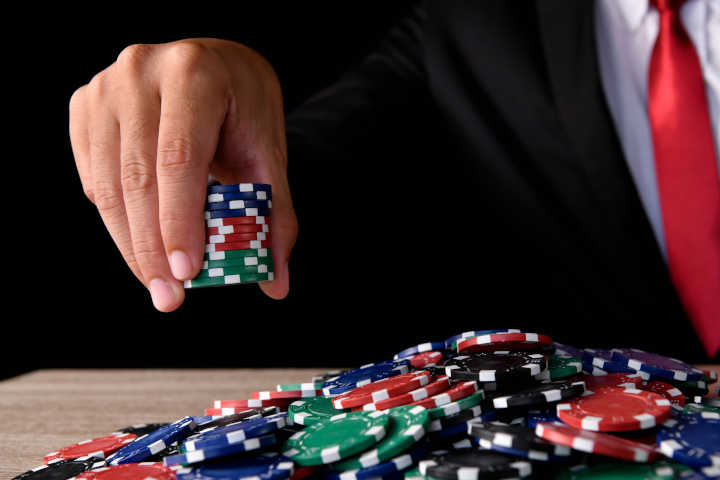
6. Keep Your Chips Visible and Organized
One of the most critical poker table rules is to keep your chips properly stacked. Hiding your large-denomination chips behind smaller ones is a deceptive practice that can be considered cheating. All players have a right to know roughly how many chips their opponents have. Keep your biggest chips at the front or on top of your stack so they are clearly visible to everyone.
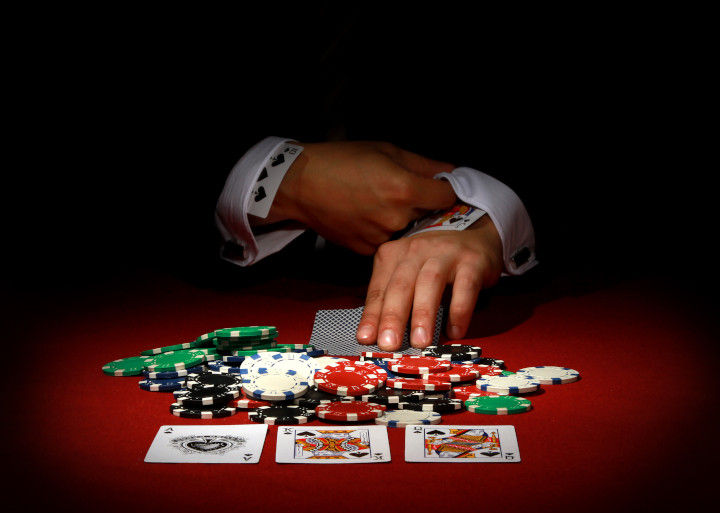
7. Don't Give Unsolicited Poker Lessons
No one wants a lecture on how they should have played their hand, especially after losing a pot. Giving unsolicited advice or critiquing others' play is condescending and poor poker behavior. Focus on your own game. If someone asks for your opinion, you can share it, but otherwise, keep your strategic insights to yourself.
8. Limit Your Celebrations
In a tournament setting, eliminating a player is a significant moment. However, it's important to handle it with class. Avoid loud, excessive celebrations that rub the victory in your opponent's face. A simple handshake and a quiet moment of satisfaction are more appropriate. Save the big celebrations for when you've won the entire tournament.
9. Never Slow Roll
A slow roll is when you have a definitive winning hand at showdown but intentionally pause or hesitate before revealing it, giving your opponent false hope. This is one of the most disrespectful actions in poker. When it's time to show your cards, do so promptly. If you have the winning hand, turn it over without any theatrics. Slow rolling is guaranteed to create animosity at the table.
10. Know When to Take a Break
If you're losing and feel yourself getting frustrated or going on tilt, the best thing you can do is step away. Playing while emotional leads to poor decisions and can cause you to be rude to others. The game will still be there in 20 minutes. Taking a short walk can help you clear your head and return to the table with a better mindset.
11. Protect Your Hand at All Times
You are solely responsible for your cards. Keep them on the table and place a chip or card protector on them to signify you are still in the hand. If your unprotected cards are accidentally mucked by the dealer, your hand will be declared dead. Don't blame the dealer; it's your job to protect your hand.
12. Avoid "Hit and Runs"
A "hit and run" is when a player joins a cash game, wins a large pot quickly, and then immediately leaves the table. While not against the official rules, this is considered poor poker etiquette. It denies players a chance to win their money back. If you sit down, plan to play for a reasonable amount of time, typically at least an hour or two.
13. Mind Your Personal Hygiene
This should be obvious, but it's an important part of sharing a small space with others for hours. Ensure you practice good personal hygiene before a long poker session. Being clean and well-groomed shows respect for the other players who have to sit next to you.


