


What Are Poker Positions and Why Do They Matter?
In poker, your 'position' refers to your seat in relation to the dealer button. This is a critical concept because the order of play rotates clockwise each hand. Mastering poker positions is essential; it's the foundation upon which strong pre-flop and post-flop strategies are built. Acting after your opponents gives you valuable information, which is the biggest weapon you have at the table.
Before diving into specific seats, let's define the three key markers:
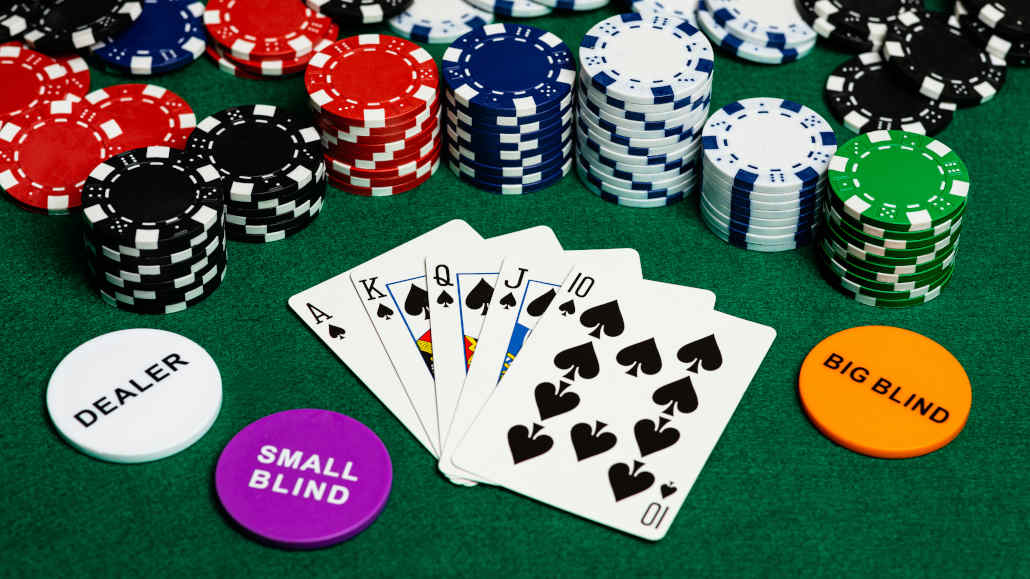
- The Button (BTN): A round disc marks the dealer's position. The player on the button is the last to act after the flop, turn, and river, giving them a significant strategic edge.
- The Small Blind (SB): Located to the immediate left of the button, this player must post a mandatory 'small' bet before seeing their cards. They are the first to act after the flop.
- The Big Blind (BB): To the left of the small blind, this player posts a mandatory 'big' bet (typically double the small blind). They are the second to act after the flop.
These forced bets, called blinds, create an initial pot to fight for, ensuring there's action in every hand.
A Guide to 9-Handed Poker Table Positions
A full-ring or 9-handed table covers all the possible positions you'll encounter. We can group them into three main categories.
Early Positions (UTG, UTG+1, UTG+2)
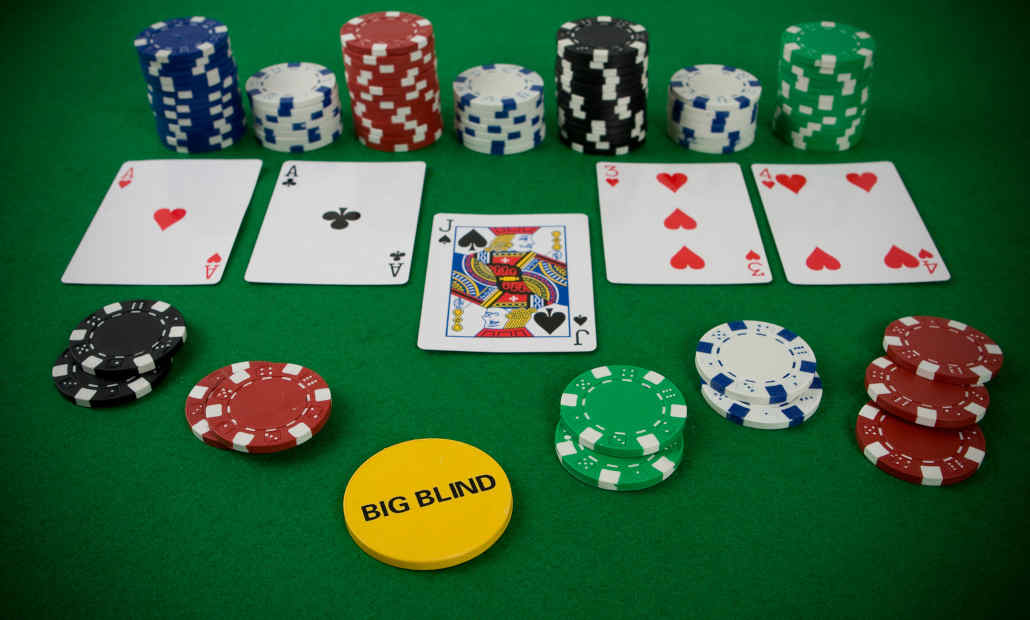
Often considered the most difficult seats, the early positions are the first to act before the flop. The first player to act is called 'Under The Gun' (UTG). Since you have to act with limited information about what the players behind you will do, you should play a very tight and strong range of hands from here. Playing speculative hands in early position is a common way for new players to lose chips.
Middle Positions (Lojack & Hijack)
The Lojack (LJ) and Hijack (HJ) seats are the bridge between early and late positions. You have some information from the players in front, but several opponents are still left to act behind you. From here, you can start to open up your range of playable hands compared to early position, but you still need to be cautious of the players in the powerful late positions.
Late Positions (Cutoff & Button)
The Cutoff (CO) and the Button (BTN) are the money-making seats at the table. The Button is the single best position in poker. From here, you get to see everyone else act before you make a decision post-flop. This informational advantage allows you to play a much wider range of hands profitably, steal the blinds more frequently, and apply maximum pressure on your opponents.
Understanding 6-Max Poker Positions
Online poker and many cash games frequently use a 6-max format. The table is smaller, but the principles of position remain the same. The key difference is that the action is faster and you must play a wider range of hands from every position compared to a 9-handed game.
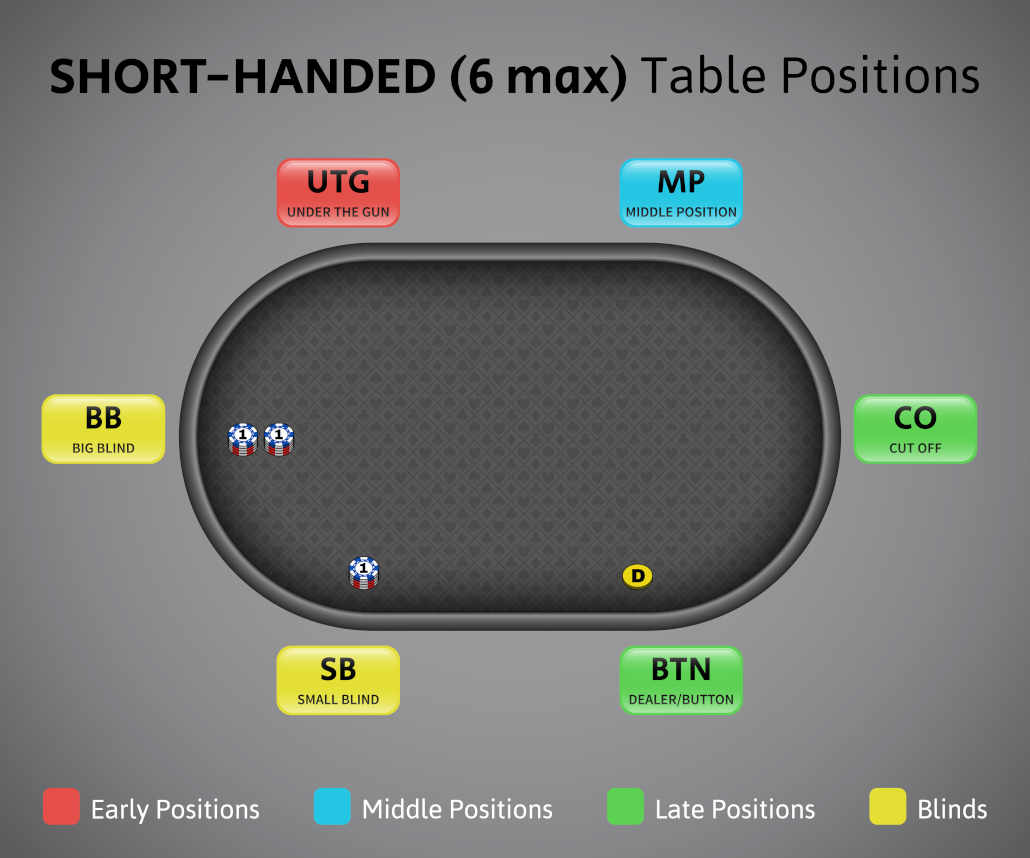
- Under The Gun (UTG): First to act (equivalent to Lojack in 9-max).
- Hijack (HJ): Second to act.
- Cutoff (CO): Third to act.
- Button (BTN): The best position, acts last post-flop.
- Small Blind (SB): Forced bet, acts first post-flop.
- Big Blind (BB): Forced bet, acts second-to-last pre-flop and second post-flop.
The Strategic Advantage of Position in Poker
When someone says they 'have position,' it means they are the last to act in the betting round. This provides several huge advantages.
Poker is a game of information. Being in position gives you the most information before you have to commit chips to the pot, which is an invaluable long-term advantage.
Control the Size of the Pot
When you act last, you decide whether to put more money in the pot. If you have a strong hand, you can bet to build the pot. If you have a marginal hand or a draw, you can check behind to see the next card for free, exercising pot control.
Gain Crucial Information
By seeing your opponents' actions first, you gain clues about their hand strength. Did they check or bet? How much did they bet? This information allows you to make more accurate and profitable decisions.
More Opportunities to Bluff
When an opponent who is out of position checks to you, it often signals weakness. This opens the door for you to make a profitable bluff and take down the pot without a strong hand.
Extract Maximum Value
When you have a monster hand, being in position makes it easier to extract the maximum value. You can see how your opponent reacts on each street before deciding on the perfect bet size to get paid off. Acting last on the river is a massive benefit, as you can make a final value bet if your opponent checks to you, an opportunity you wouldn't have if you were out of position.


