
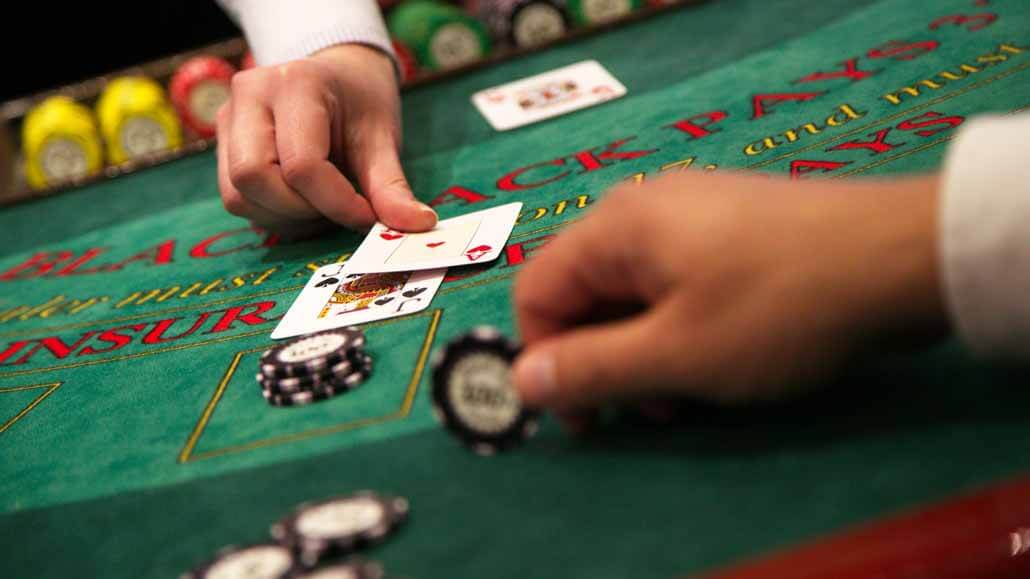


Poker vs Blackjack: Understanding the Core Appeal
Poker and blackjack stand as titans in the world of card games, each captivating millions of players globally. Both offer excitement and the potential for significant rewards, but they cater to very different types of players. So, in the classic poker vs blackjack matchup, which one is right for you?
This guide will dissect the key similarities and crucial differences between these two iconic games. We will explore everything from game mechanics and strategy to the psychological elements that define them, helping you decide which table to sit at.
Key Similarities Between Poker and Blackjack
While they play very differently, poker and blackjack share some fundamental traits that contribute to their lasting popularity. These shared features make them both engaging and accessible to a wide range of players.
1. Strategic Decision-Making is Crucial
Unlike games of pure chance like roulette, where your involvement ends after placing a bet, both poker and blackjack demand continuous decision-making. Every choice you make, from hitting in blackjack to raising in poker, directly impacts the outcome. This element of control is what makes winning so rewarding; your success is tied to your ability to make the right calls under pressure.
2. Flexible Betting Stakes
Both games accommodate players of all bankrolls. You can find low-stakes tables to learn the ropes or high-stakes games for a bigger thrill. The betting structure allows you to manage your risk. You can start with a small initial bet (an ante or blind in poker, a standard bet in blackjack) and increase your investment as your confidence grows or your hand improves. Conversely, if you have a weak hand, you can fold or stand to minimize potential losses.
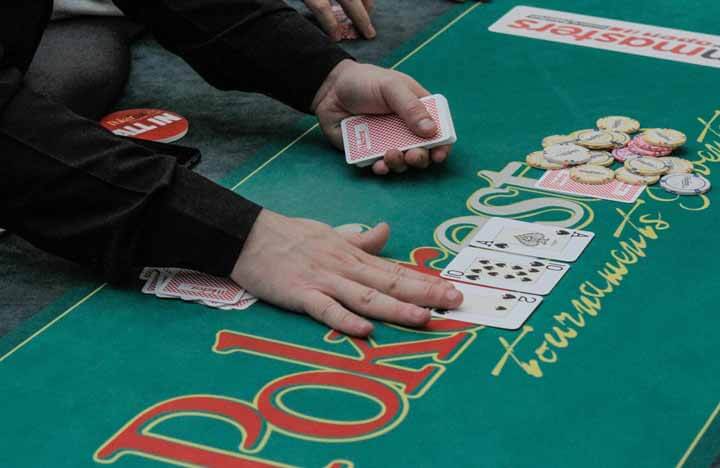
3. A Rich Variety of Game Variations
The popularity of poker and blackjack has led to the creation of numerous variations, ensuring the gameplay never gets stale. This diversity means you can always find a version that suits your preferences.
- Popular Poker Variations: Texas Hold’em, Omaha, Seven-Card Stud, and Five-Card Draw.
- Popular Blackjack Variations: American Blackjack, European Blackjack, Blackjack Switch, and Perfect Pairs.
The Biggest Differences: Blackjack vs Poker
Despite their similarities, the core gameplay and required skills for these two games are worlds apart. Understanding these differences is key to choosing the right one for you.
1. The Mental Game: Player vs. House
The most significant distinction in the blackjack vs poker debate is who you are competing against. In blackjack, your opponent is always the dealer (the house). Your goal is simple: beat the dealer's hand without exceeding 21. There are no bluffs or mind games. You make decisions based on your cards and the dealer's visible card, following a mathematically optimal blackjack strategy.
Poker, on the other hand, is a psychological battle against other players. Your cards are only one part of the equation. Success depends on your ability to read opponents, identify betting patterns, bluff effectively, and avoid being tricked yourself. This mental warfare is what makes poker infinitely complex and challenging.
2. House Edge and Your Odds
The concept of the 'house edge' applies differently to each game. The house always has a built-in advantage, but its impact varies greatly.
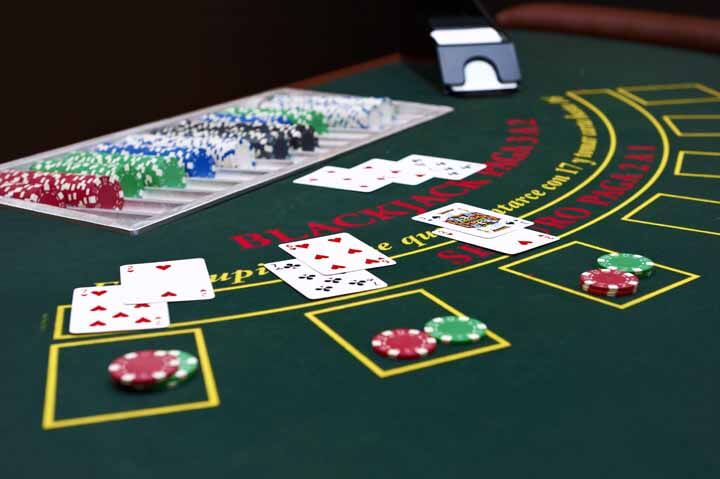
In blackjack, playing with a perfect basic strategy can lower the house edge blackjack to as little as 0.5%. Even for average players, the edge is a respectable 2%. This makes it one of the most favorable games for players in any casino.
In poker, you don't play against the house, so there is no traditional house edge. Instead, the casino or card room takes a small percentage of each pot, known as the 'rake'. Your success is determined entirely by your skill relative to your opponents. A skilled player can overcome the rake and be consistently profitable.
3. The Pace of the Game
Blackjack is a fast-paced, high-action game. Hands are resolved quickly, often in under a minute. This allows you to play many hands in a short period, making it ideal for players who enjoy constant engagement.
Poker is significantly slower. Players often take time to consider their options, leading to pauses in the action. A single hand of poker can last several minutes, demanding patience and focus from everyone at the table.
4. The Path to Becoming a Professional
Have you heard of many famous blackjack professionals? Probably not. While some skilled players use techniques like card counting, it is extremely difficult to make a consistent living from blackjack. The game has a luck-based ceiling that even perfect strategy cannot always overcome.
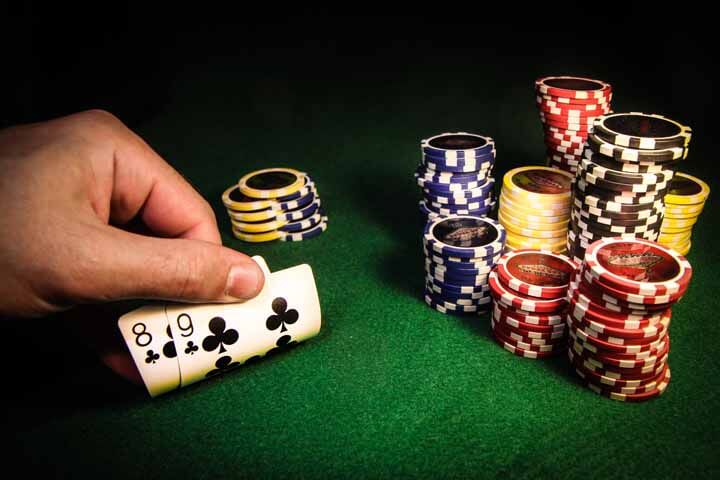
The world of the professional poker player, however, is well-established. Because it is a game of skill where you compete against others, the best players consistently win over the long term. Major tournaments offer life-changing prizes, and many players have built lucrative careers from the game.
Conclusion: Which Game Is Your Perfect Match?
Ultimately, the best card game for you depends on your personality and what you seek from the experience.
Choose Blackjack if:
- You prefer a fast-paced game with lots of hands per hour.
- You enjoy using math and strategy to optimize your odds against the house.
- You want a game with simple rules and a low house edge.
Choose Poker if:
- You enjoy psychological challenges and outsmarting human opponents.
- You are patient and appreciate a game with deep, complex strategy.
- You are competitive and aspire to improve your skills for long-term profit.
Both games are incredibly rewarding. We recommend trying free-play versions of both to see which one clicks with you. Whichever you choose, take the time to learn the rules and basic strategies before you put real money on the table.


