



What is a Professional Gambler?
A professional gambler is someone who earns their primary income by wagering on games of skill or sporting events, either at land-based establishments or online casinos. This career doesn't require a license or formal test; it requires deep knowledge of the chosen game and a willingness to accept the inherent risks. For these individuals, gambling is a numbers game where expertise and strategy minimize the margin for error.
Many avenues exist to achieve this pro status – from casino games like poker and blackjack to sports betting.
Professionals rely on meticulously developed betting strategies and an unmatched level of expertise to gain an edge.
Top 5 Richest Gamblers for Inspiration
If you're curious about how to become a professional gambler, it helps to learn from those who have reached the pinnacle of success. These individuals have dedicated their lives to mastering games like poker, blackjack, and sports betting.

1. Bill Benter (Blackjack and Horse Racing)
With a net worth estimated at $100 million, Bill Benter used his degree in Physics and aptitude for mathematics to excel. He started in Las Vegas blackjack, where he became so proficient that many casinos banned him.
2. Edward Thorp (Baccarat and Blackjack)
A mathematics professor and author, Edward Thorp is a true pioneer with a net worth of around $800 million. As a renowned member of the Blackjack Hall of Fame, he applied mathematical theories to gain a significant advantage over the house.
3. Billy Walters (Sports Betting)
Billy Walters proves that being a professional sports gambler can be incredibly lucrative, having amassed a net worth of over $200 million. However, his career also serves as a cautionary tale, as he served time in prison for insider trading.
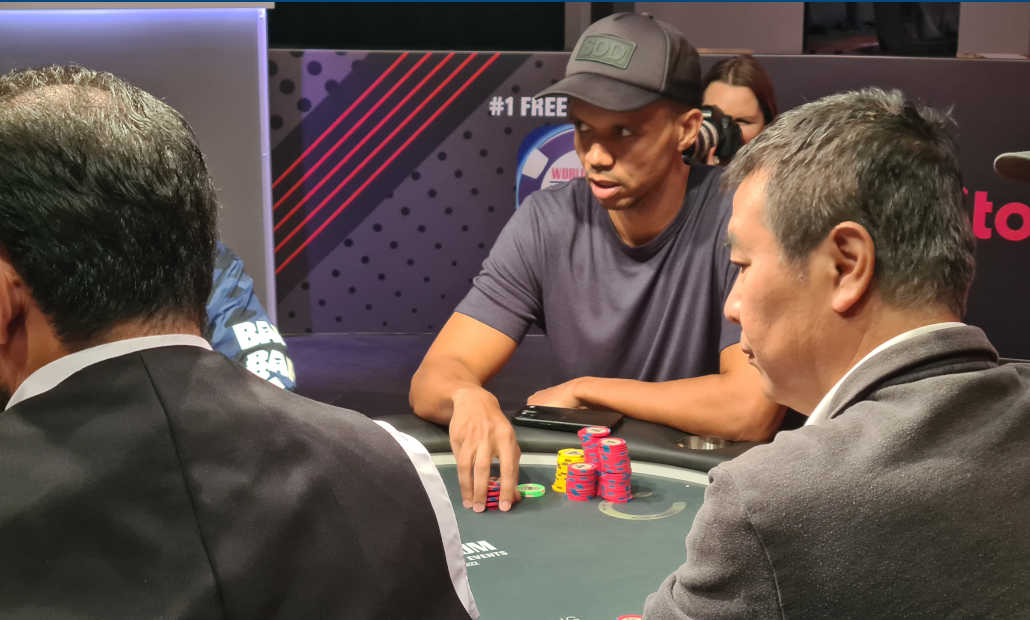
4. Phil Ivey (Poker)
Often considered one of the greatest poker players of all time, Phil Ivey has a net worth of over $100 million. His winnings include more than $19 million from live poker tournaments and ten World Series of Poker bracelets.
5. Chris Ferguson (Poker)
Chris Ferguson, known for his distinctive appearance, is another poker titan with a net worth exceeding $80 million. He is the only player to have won three World Series of Poker (WSOP) circuits.
A Professional Gambler's Job and Hours
So, what does a professional gambler actually do? The work depends heavily on the chosen specialty. A professional sports gambler might spend the bulk of their day analyzing statistics, watching games, and researching team news. Someone focused on horse racing will travel to tracks and study lineage and track conditions.
Your day involves extensive background research across different games or sports to develop a winning formula before you ever place a bet.
If you dislike a traditional 9-to-5 schedule, this career offers flexibility. There are no set hours; you work when the opportunities are best. For online players, this could be anytime, while casino players might find the best games during unsociable hours.
Professional Gambler Salary: What to Expect
The term professional gambler salary is misleading. There are no monthly paychecks. Income is entirely dependent on winnings, which are inherently volatile. One month could bring substantial profits, while the next could result in a significant loss. Professionals live off their net winnings, constantly managing their bankroll to sustain their livelihood.

So why pursue such a perilous road? For some, it's the adrenaline and the challenge. For others, it's the determination to succeed at any cost. With discipline and skill, the earning potential is theoretically limitless. However, it's crucial to be honest with yourself if your gambling career isn't heading in the right direction.
How to Become a Professional Gambler from Scratch
There are no shortcuts to becoming a professional. It demands patience, experience, and constantly refined skills before you can successfully gamble for a living.
- Learn and Study: This is a never-ending process. You must become a student of your chosen game or sport. By absorbing knowledge, you learn to identify value and make informed decisions. Studying trends and analyzing statistics are pivotal parts of the job.
- Maintain High Commitment: This is not a part-time hobby. To succeed, you need to show full commitment. It means dedicating hours to research and analysis, not just placing bets. Success stories often involve laborious devotion to the craft.
- Control Your Emotions: Logic must always trump emotion. Successful gambling decisions are based on cold, hard data, not gut feelings or superstitions. In games like poker, emotional control is paramount to avoid giving away information and making rash choices.
Key Considerations Before You Start
Before you quit your day job, you need to think through the practicalities of this career change.
Hourly Earnings
Calculate your current hourly earnings. If you make $1,000 a week from a 40-hour job, can you consistently generate that same amount from gambling? To replace your income, you must select a gambling activity you can master, build a sufficient bankroll, and play enough to generate consistent profits.
Healthcare and Other Costs
As a self-employed professional, you are responsible for your own healthcare. A single medical emergency without insurance can be financially devastating. You must budget for health insurance, sick days, and vacation time, as you will have no employer-provided benefits. Setting aside funds in an interest-generating account is a wise strategy to cover periods when you are unable to work.


