


What Is Spanish 21?
Spanish 21 is a popular and fast-paced variation of blackjack that offers unique rules and exciting payout opportunities. Many players enjoy it because it feels like traditional blackjack but with the added thrill of bonus payouts, similar to a slot machine. The game is played with a 'Spanish deck,' which is a standard 48-card deck created by removing all four 10-spot cards.
While the absence of 10s increases the house edge slightly, the game balances this with several player-friendly rules and bonus hands. Understanding the core Spanish 21 rules is crucial before you sit down to play this exciting game.
Spanish 21 vs. Blackjack: Key Differences
While the goal in both games is to get closer to 21 than the dealer without busting, several key differences set Spanish 21 apart from classic blackjack.
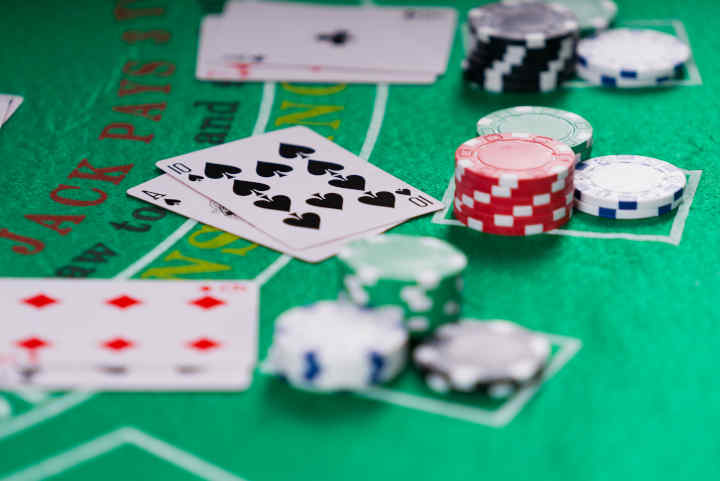
- No 10s: As mentioned, all 10-spot cards are removed from the deck. Jacks, Queens, and Kings still count as 10.
- Player 21 Always Wins: A player's hand totaling 21 is an automatic winner, even if the dealer also has 21. This eliminates pushes on 21.
- Late Surrender: Players can choose to 'surrender' after the dealer checks for blackjack, forfeiting half their bet to exit the hand.
- Flexible Doubling: You can double down on any number of cards, not just your initial two.
- Splitting Aces: Players can hit and re-split Aces, offering more flexibility than in traditional blackjack.
- Bonus Payouts: Spanish 21 offers special payouts for specific hands that total 21, adding another layer of excitement. For example:
- A five-card 21 pays 3:2.
- A six-card 21 pays 2:1.
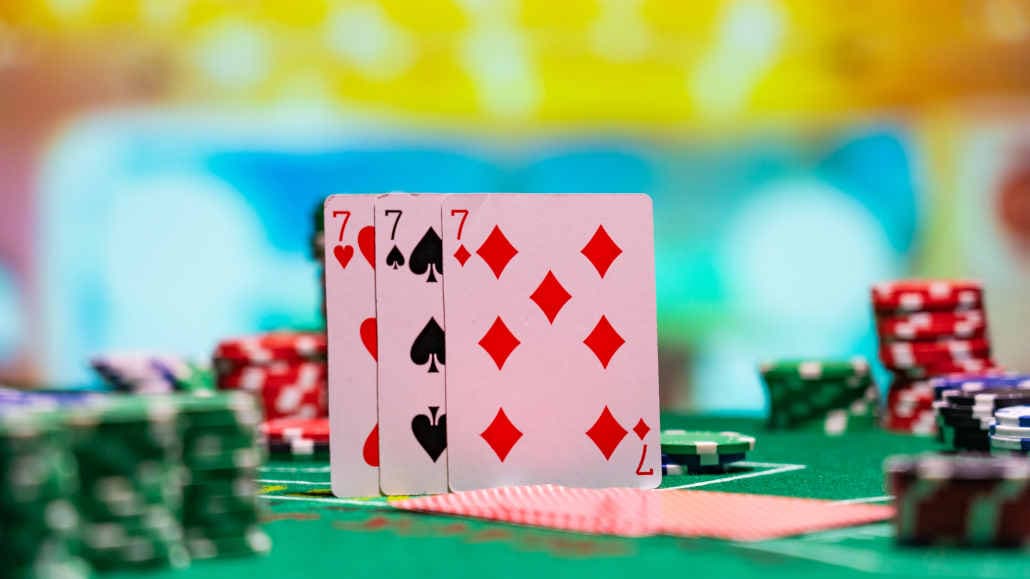
- A 6-7-8 or 7-7-7 combination has special payouts, which increase if they are of the same suit or all spades.
How to Play Spanish 21: A Step-by-Step Guide
Learning how to play Spanish 21 is straightforward if you're already familiar with blackjack. The game proceeds in a similar fashion.
- Place Your Bet: The game begins when you place your bet in the designated circle on the table.
- The Deal: You and the dealer both receive two cards. Your cards are typically face up, while the dealer has one card face up (the upcard) and one face down (the hole card).
- Player's Turn: If you have 21 (a blackjack), you are paid immediately. Otherwise, you decide how to play your hand based on your cards and the dealer's upcard. Your options are:
- Hit: Take another card.
- Stand: Take no more cards.
- Double Down: Double your initial bet and receive one more card.
- Split: If you have a pair, you can split them into two separate hands by placing an additional bet.
- Surrender: Forfeit half your bet and end your play for that hand.
- Dealer's Turn: After all players have acted, the dealer reveals their hole card and must hit or stand according to fixed casino rules (usually hitting on 16 or less and standing on 17 or more).
- The Payout: If your hand total is higher than the dealer's without exceeding 21, you win. If the dealer's hand is higher, you lose. A tie is a push, and your bet is returned.
Winning Spanish 21 Strategy & Tips
Because of the rule variations, a standard blackjack strategy won't work for Spanish blackjack. Here are some essential tips to improve your game.
1. Use a Spanish 21 Strategy Chart
The most important tool for any new player is a dedicated Spanish 21 strategy chart. This chart tells you the mathematically optimal move (hit, stand, double, split, or surrender) for every possible hand combination. Do not use a standard blackjack chart, as the advice will be incorrect due to the absence of 10s.
2. Know Basic Hit and Stand Rules
Even without a chart, some rules are simple to remember. Always hit on a hard 8 or lower, as you cannot bust. Conversely, you should almost always stand on a hard 17 or higher because the risk of busting is too great.
3. Learn When to Split Pairs
Splitting pairs is a powerful move in Spanish 21. While a chart is best, some general rules apply. For example, it's often correct to split a pair of 8s against most dealer upcards (except an Ace, where surrender is often better). Unlike classic blackjack, you should rarely split 9s.
4. Avoid the 'Match the Dealer' Side Bet
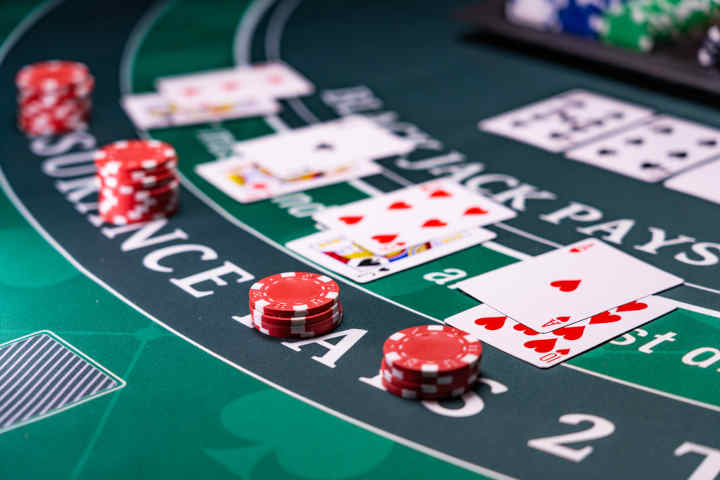
Many Spanish 21 tables offer an optional side bet called 'Match the Dealer'. This bet pays if one or both of your initial cards match the dealer's upcard in rank. While it can offer high payouts, it comes with a significantly higher house edge than the main game. For the best long-term results, it's wise to avoid this and other side bets.
Is Spanish 21 a Good Choice for You?
If you enjoy classic blackjack but are looking for a game with more action and different strategic challenges, Spanish 21 is an excellent choice. The player-friendly rules like doubling down on any number of cards and the automatic win on a player's 21 can be very appealing.
However, the game requires a different strategy that must be learned. With the tips outlined here and a proper strategy chart, you can navigate the unique twists of Spanish 21 rules and enjoy one of the most entertaining blackjack variations available in the casino.


