


Understanding the Infamous Bad Beat
In the world of casino gaming, few terms carry as much emotional weight as 'bad beat.' It's a phrase you'll hear whispered in frustration at poker tables around the globe. A bad beat occurs when a player holding a very strong hand, one that is a massive statistical favorite to win, ends up losing to an opponent with a much weaker hand who catches a miracle card on the turn or, more dramatically, the river.
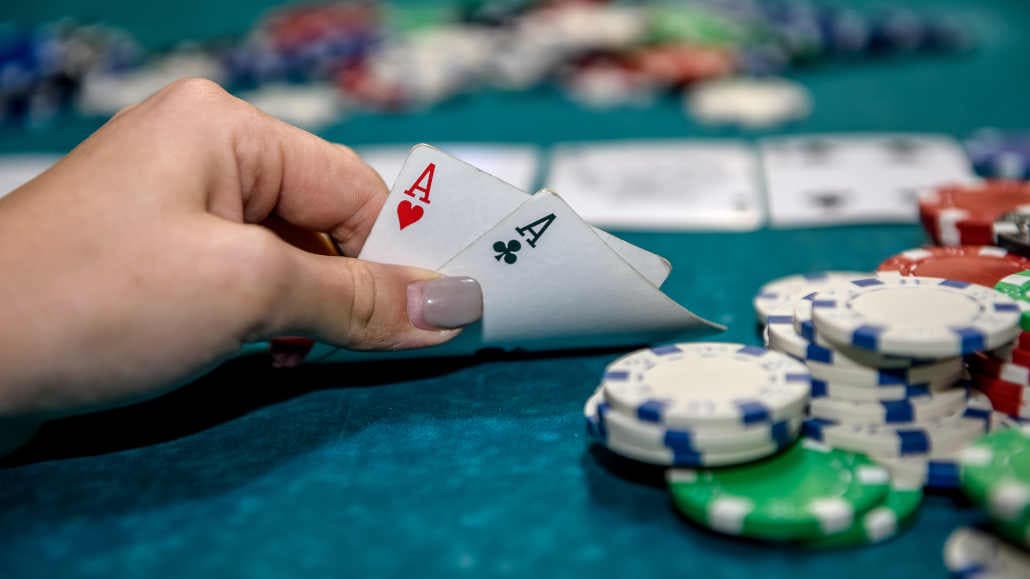
Imagine this common scenario in Texas Hold'em: You hold pocket Aces (A♠ A♥). Your opponent has pocket Kings (K♦ K♣). Before the flop, you are more than an 80% favorite to win the hand. You both go all-in. The flop, turn, and river come out, and your opponent hits one of the two remaining Kings in the deck. That is the definition of a brutal bad beat. You played perfectly, got your money in with the best hand, and still lost due to sheer, improbable luck.
The Key Elements of a Bad Beat
For a loss to be considered a true bad beat, a few conditions generally need to be met:
- Overwhelming Favorite: The losing player must have been a significant statistical favorite to win the pot at the point the majority of the money went in.
- Long-Shot Draw: The winning player must have had very few 'outs' (cards that could complete their hand) to win.
- Dramatic Finish: The fateful card often arrives on the river, the final community card dealt, maximizing the dramatic impact and disappointment.
The Psychology of Losing With a Strong Hand
Experiencing a bad beat is more than just losing money; it's a psychological blow. It feels unfair because you made the right decisions and were punished for it. This can lead to a dangerous state for any poker player known as 'tilt.' Tilt is an emotional state of frustration or anger that causes a player to adopt a less-than-optimal strategy, resulting in more losses.
Learning to manage the emotional fallout from a bad beat is as crucial as learning the odds. A single unlucky hand shouldn't derail your entire session. Professional players understand it's a part of the game's variance and move on to the next hand.
What is a Bad Beat Jackpot?
To soften the blow and add excitement, many live and online poker rooms offer a Bad Beat Jackpot (BBJ). This is a large, progressively growing prize pool awarded when a player loses a pot despite holding an exceptionally strong hand. The jackpot is funded by taking a small, additional rake from each qualifying pot.
How Do Bad Beat Jackpots Work?
The rules for a BBJ vary between casinos, but they generally follow a similar structure:
- Minimum Qualifying Hand: A player must lose with a very powerful hand, such as Aces full of Kings or better.
- Both Hole Cards: Both the winning and losing players must typically use both of their hole cards to make their final five-card hand.
- Full Table: The hand usually needs to take place at a table with a certain minimum number of players.
When a qualifying hand occurs, the jackpot is distributed among the players. The largest share (often 40-50%) goes to the player who suffered the bad beat, a smaller share (20-25%) goes to the winner of the hand, and the rest is often split among the other players at the table. This turns one player's moment of agony into a celebration for the entire table.
| Recipient | Typical Payout Percentage |
|---|---|
| The Loser (Bad Beat Hand) | 40% |
| The Winner of the Hand | 20% |
| Other Players at the Table | 40% (split evenly) |
Coping with Unlucky Poker Hands
Every serious player will face countless bad beats. The key to long-term success is resilience. Remember that if you consistently get your money in the pot as a favorite, you will be profitable in the long run. Variance is a natural part of poker; a bad beat is just an extreme example of it. Take a deep breath, analyze the hand to confirm you made the right play, and focus on the next decision.


