
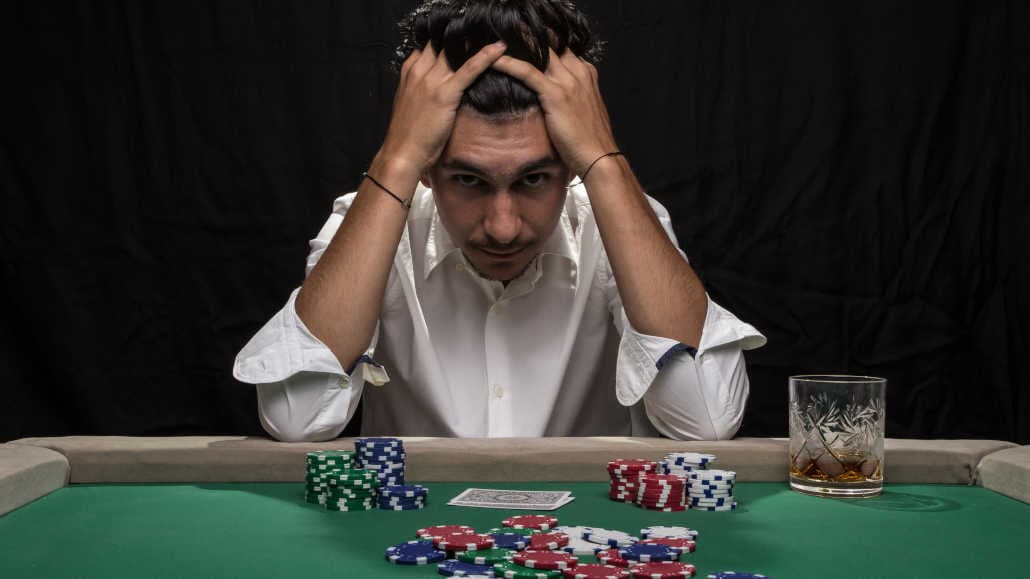


Understanding "Tilt" in a Casino Context
In the world of gambling, especially poker, the term 'tilt' describes a state of mental or emotional confusion or frustration in which a player adopts a sub-optimal strategy, usually resulting in overly aggressive betting. Understanding what is tilt in poker is the first step toward preventing it. When a player is on tilt, their decision-making process is clouded by emotions like anger, frustration, or desperation, rather than by logic and calculated strategy. This shift often leads to a rapid loss of chips and can destroy a player's bankroll in a single session.
While the on tilt meaning is most famous in poker circles, the concept of emotional gambling applies to all casino games. A blackjack player increasing bets wildly after a few losses or a slots player feeding a machine out of frustration are also experiencing forms of tilt.
What Triggers a Player to Go on Tilt?
Several factors can push a player into this dangerous mental state. Recognizing these triggers is crucial for maintaining composure and effective poker tilt control.
- Bad Beats: The most common trigger. A bad beat is when a player with a statistically strong hand loses to an opponent who gets lucky with the cards that follow. The perceived injustice of the loss can be intensely frustrating.
- Consecutive Losses: A string of losing hands, even without a dramatic bad beat, can wear down a player's morale and lead to desperate, tilted plays.
- Opponent Behavior: Some players intentionally use taunts, slow play (tanking), or aggressive chatter to disrupt their opponents' emotional balance and put them on tilt.
- External Factors: Stress, fatigue, or personal problems outside the casino can lower a player's emotional resilience, making them more susceptible to tilting.
The Telltale Signs of Being on Tilt
Self-awareness is your best defense against tilt. If you notice these behaviors in yourself, it's a strong signal that you need to step back and reassess your mental state.
- Chasing Losses: Making larger and riskier bets to try and win back money you've lost.
- Overly Aggressive Betting: Playing too many hands, bluffing excessively, and making large raises without a strategic reason.
- Ignoring Your Strategy: Abandoning the solid game plan you started with in favor of impulsive, gut-feeling decisions.
- Blaming Others: Attributing losses solely to bad luck or the dealer instead of analyzing your own play.
- Physical Signs: Increased heart rate, tension, and a general feeling of anger or frustration.
"The biggest enemy at the poker table is yourself. If you can't control your emotions, you can't control your chips." - Anonymous Poker Pro
Mastering Poker Tilt Control: How to Avoid It
Avoiding tilt is a skill that separates amateurs from seasoned players. It requires discipline and a commitment to mental fortitude. Here are effective strategies to keep your emotions in check.
Implement a Stop-Loss Strategy
Before you even sit down, decide on a maximum amount of money you are willing to lose in a session. If you hit that limit, you walk away, no exceptions. This is a non-negotiable rule that protects you from the catastrophic losses associated with emotional gambling.
Take Strategic Breaks
If you feel the frustration of a bad beat or a losing streak building, get up from the table. Take a 10-15 minute walk, get some fresh air, and clear your head. This short break can be enough to reset your emotional state and prevent a full-blown tilt.
Focus on the Decision, Not the Result
In poker, you can make the perfect decision and still lose the hand due to luck. The key is to detach your emotions from the outcome. Judge your play based on the quality of your decisions with the information you had, not whether you won or lost the pot. This mindset builds long-term resilience against the natural variance of the game.


