
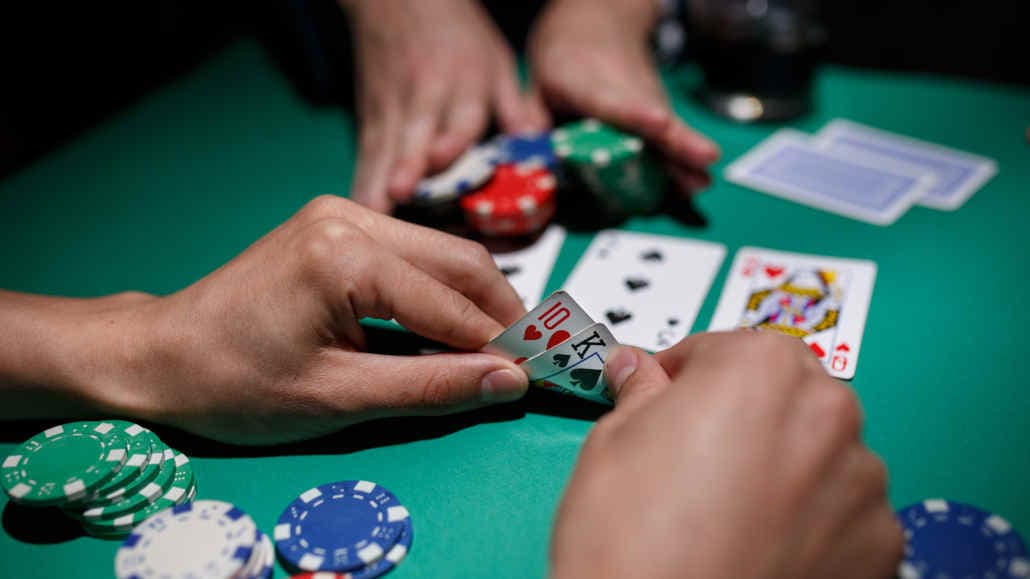


What Is the Flop in Poker Exactly?
The flop in poker is one of the most fundamental concepts in community card games. After the initial 'pre-flop' betting round concludes, the dealer burns one card from the top of the deck and then deals three cards face-up in the middle of the table. These first three shared cards are known collectively as the flop. Every remaining player can use these community cards in combination with their own two private hole cards to create the best possible five-card hand.
This moment is pivotal. Before the flop, players only know the strength of their starting hand. After the flop, the entire landscape of the game can change in an instant. A strong starting hand like two Aces can become vulnerable, while a speculative hand like 7-8 suited might suddenly become a powerhouse with a straight or flush draw.
The Sequence: Pre-Flop to Flop
Understanding the flow is key. Here is the sequence of events leading to the flop:
- Blinds are Posted: The small and big blinds post their mandatory bets.
- Hole Cards Dealt: Each player receives their private cards.
- Pre-Flop Betting: The first of the poker betting rounds begins, starting with the player to the left of the big blind.
- The Flop is Dealt: After pre-flop betting, the dealer reveals the three flop cards.
- Post-Flop Betting: A new betting round starts, beginning with the first active player to the left of the dealer button.
The Strategic Importance of the Post-Flop Strategy
The flop marks the beginning of 'post-flop' play, where the real skill in poker shines. Your decisions from this point forward are based on a lot more information. You must now analyze your hand's strength, your potential to improve, and what your opponents might have based on the flop's texture and their betting patterns. Mastering post-flop strategy is essential for long-term success.
"The flop is where hands are made and broken. It's not just about what you have, but what the board represents and what your opponents think you have. Reading the flop correctly separates the amateurs from the pros."
How to Read Different Flop Textures
Not all flops are created equal. The specific combination of cards, known as the 'flop texture,' heavily influences strategy. Learning how to categorize and react to different textures is a crucial skill.
| Flop Type | Example | Description | Strategic Implications |
|---|---|---|---|
| Dry / Ragged | K♠ 7♦ 2♣ | The cards are unconnected and of different suits (rainbow). | Fewer drawing hands are possible. Top pair is often a very strong hand. Bluffs can be more effective. |
| Wet / Coordinated | J♥ 10♥ 8♠ | The cards are connected or suited, creating many straight and flush draws. | Proceed with caution. Many hands can be strong or have huge potential. Be wary of opponents betting aggressively. |
| Paired Board | A♦ A♣ 6♥ | Two of the three cards share the same rank. | The possibility of a three-of-a-kind (set/trips) or a full house is present. This can make players with just a pair very nervous. |
Action After the Flop: Turn and River
The flop is just the beginning of the community card reveal. The game continues through two more stages, collectively known as the flop turn river sequence.
- The Turn: After the post-flop betting round, a fourth community card is dealt. This is called the turn. It's followed by another round of betting.
- The River: Finally, a fifth and final community card, the river, is dealt. This completes the board, and a final betting round occurs before the showdown.
Each street provides more information and requires strategic adjustments. A hand that looks strong on a Texas Hold'em flop might be worthless by the river, and vice versa.
Common Pitfalls in Flop Play
Players new to the game often make predictable errors when playing the flop. Avoiding these common mistakes can significantly improve your results:
- Getting Too Attached: Don't fall in love with your pre-flop hand. A pair of Kings is great before the flop, but on a flop of 7-8-9 of hearts, it's extremely vulnerable.
- Ignoring Position: Acting last after the flop is a huge advantage. You get to see what everyone else does before making your decision.
- Chasing Draws Incorrectly: Chasing a flush or straight draw is fine, but only when the 'pot odds' justify the call. Don't throw away money on long-shot draws.
- Failing to Read the Board: Always consider the best possible hand that could be made from the flop. If there are three hearts on the board, you must consider that an opponent may already have a flush.
By understanding what the flop is and how to approach it strategically, you can build a solid foundation for your poker game and make more profitable decisions at the table.


