
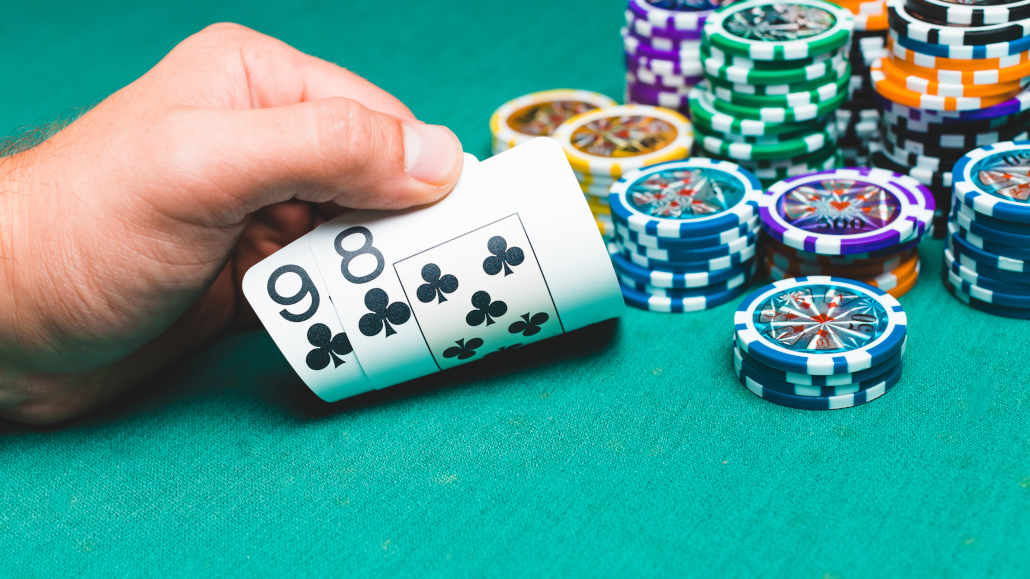


What Exactly Are Hole Cards in Poker?
Your journey into the world of poker begins with the cards dealt just for you: the hole cards. These face-down cards, also widely known as 'pocket cards,' are the secret foundation of your hand in many popular poker variants. They are for your eyes only, and the entire initial strategy of a hand revolves around the strength and potential of these private cards. The dealer slides them to you face down, and from that moment until the final reveal, they are your most valuable secret.
The Importance of Secrecy
The core concept of hole cards is privacy. Your opponents do not know what you hold, and you do not know what they hold. This information imbalance is the engine of poker. Your betting actions, bluffs, and calls are all designed to represent a hand strength that may or may not align with your actual hole cards. If an opponent catches a glimpse of your cards, your advantage is completely lost.
Hole Cards Across Different Poker Games
While the concept is universal, the number of hole cards and how they are used varies significantly between different poker games. Understanding these distinctions is crucial for anyone looking to move beyond a single variant.
Texas Hold'em
In Texas Hold'em, the most popular poker game globally, each player receives exactly two hole cards. The objective is to combine these two cards with the five shared 'community cards' on the table to create the best possible five-card hand. You can use both, one, or even none of your hole cards (playing the board) to make your final hand.
Pot-Limit Omaha
Omaha adds a layer of complexity. In this game, each player is dealt four hole cards. However, the rules are very strict: you must use exactly two of your four hole cards and exactly three of the five community cards to construct your hand. This rule dramatically increases the number of potential hand combinations and places a heavy emphasis on drawing to powerful hands.
| Feature | Texas Hold'em | Pot-Limit Omaha |
|---|---|---|
| Hole Cards Dealt | 2 | 4 |
| Hole Cards Used in Hand | 0, 1, or 2 | Exactly 2 |
| Community Cards Used | 3, 4, or 5 | Exactly 3 |
| Strategic Focus | Strength of starting pair | Potential for draws and combinations |
Protecting Your Hand: A Player's First Duty
Guarding your hole cards is poker 101. A careless player who flashes a card gives away free information that can be used against them. Here are some fundamental tips to protect your hand:
- Keep Them on the Table: Never lift your cards off the table surface. Peel up the corners just enough for you to see them.
- Use a Card Protector: Placing a small chip or another object on your cards signals to the dealer that your hand is still live and prevents it from being accidentally mucked.
- Be Mindful of Your Neighbors: Be aware of players next to you who might be trying to get a peek. Shield your cards with your hands as you look at them.
"The best players don't just play their own hole cards; they play their opponents'. Every action, from how they look at their cards to their betting patterns, tells a story. Your job is to read their story while keeping yours a complete mystery." - Anonymous Poker Pro
From Hole Cards to Showdown
The lifecycle of a poker hand revolves around your hole cards. In the initial betting round (pre-flop), all your decisions are based solely on their strength. As the community cards are dealt (the flop, turn, and river), you continually re-evaluate your hand by combining your private hole cards with the public board. The final phase is the showdown poker term, which occurs after the last round of betting. At this point, any players remaining in the hand reveal their hole cards to determine who has the winning combination. Understanding that your hole cards are just the starting point is key to long-term success.


