
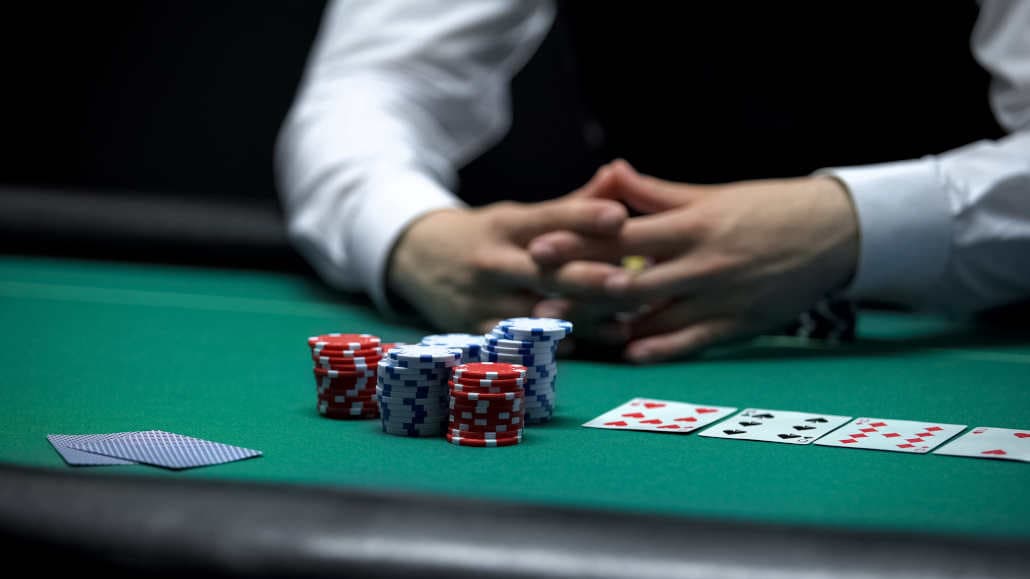


What Exactly Are Community Cards in Poker?
In the world of casino card games, community cards are the backbone of modern poker variants. These are cards dealt face-up in the middle of the table, collectively known as 'the board'. Unlike a player's private 'hole cards', community cards are shared property. Every active player at the table can use them in combination with their own cards to create their strongest possible five-card poker hand.
This mechanic is central to games like Texas Hold'em and Omaha. The introduction of shared cards adds immense strategic depth, as players must not only consider their own hand's potential but also what possible hands their opponents could make using the same board cards.
The Sequential Reveal: Flop, Turn, and River
The dealing of community cards isn't a single event; it's a dramatic, staged reveal that creates distinct betting rounds and shifts the balance of power. Understanding this sequence is fundamental to learning how to play these poker games.
The Flop: The First Three Cards
After an initial round of betting based on players' private hole cards (pre-flop), the dealer discards one card (the 'burn' card) and deals the first three community cards face-up. This is the flop. The flop instantly provides 60% of the shared information and can drastically alter a hand's value. A pair of Aces pre-flop is strong, but on a flop showing three cards of the same suit, its strength diminishes against a potential flush.
The Turn: The Fourth Card
Following another round of betting, the dealer burns another card and deals a single fourth community card. This is known as the turn or 'fourth street'. The turn card can complete a drawing hand, like a straight or a flush, or add another high card to the board, creating new possibilities and dangers. It often represents a pivotal moment in the hand where pots can grow significantly.
The River: The Final Card
After the turn's betting round concludes, one final card is burned and the fifth and last community card is dealt. This is the river or 'fifth street'. There are no more cards to come. This is the final opportunity for a hand to improve. A final betting round occurs, after which players still in the hand proceed to a 'showdown', where the best five-card hand wins the pot.
Community Cards in Different Poker Variants
While the concept is similar, the rules for using community cards can vary between games, leading to vastly different strategies.
Texas Hold'em
This is the most popular poker game worldwide. Each player receives two private hole cards. There are five community cards. Players can use any combination of their two hole cards and the five board cards to make the best five-card hand. This could mean using both hole cards, one, or even none (known as 'playing the board').
Omaha
In Omaha, players start with four hole cards instead of two. However, the rule for making a hand is much stricter. A player must use exactly two of their four hole cards and exactly three of the five community cards to form their hand. This strict rule creates more action, as players often have multiple draws and possibilities.
In poker, you're not just playing your cards. You're playing the board and, more importantly, how your opponents are likely interpreting that same board. Reading the community cards is as crucial as knowing your own hand.
Strategic Importance of the Board
Advanced players don't just look at how the community cards help their own hand; they analyze the 'board texture'.
- Wet Boards: These are boards with many connected cards (e.g., 7-8-9) or multiple cards of the same suit. They are 'wet' because they offer many possibilities for straights and flushes, leading to more action.
- Dry Boards: These boards are disconnected and unsuited (e.g., King-8-3 of different suits). They are 'dry' because they offer few strong drawing possibilities, often making a single pair a relatively strong hand.
Understanding the board texture helps you gauge the likely strength of your opponents' hands and make better decisions about betting, folding, or bluffing. The shared nature of poker board cards is what makes these games a constant puzzle of incomplete information and calculated risks.


