
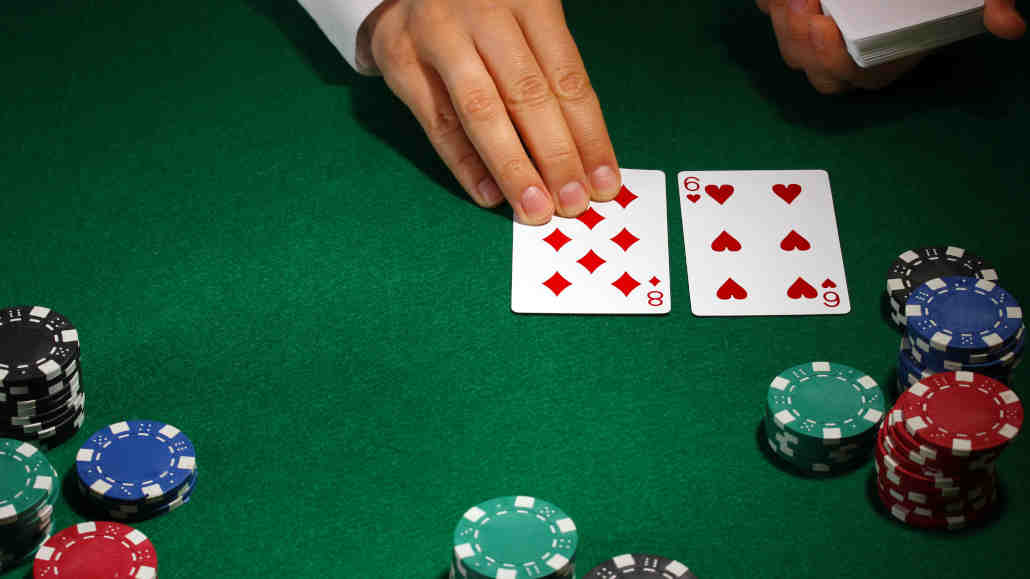


Understanding the Poker Term 'Peel'
When you hear a poker player say they are going to peel one off, they're not talking about fruit. In poker terminology, to 'peel' is to make a call with the primary intention of seeing the next card dealt. This action is most common when a player holds a drawing hand, such as four cards to a flush or a straight, and is facing a bet from an opponent. Instead of folding or raising, the player simply calls, or peels, hoping the next card completes their draw.
The decision to peel is fundamentally about pot odds and implied odds. Players peel because they believe the potential reward of hitting their hand outweighs the cost of the call. It's a calculated risk based on the probability of improving and the potential size of the pot they could win if they do.
A Practical Example of Peeling a Card
Let's illustrate the concept of a peel with a common scenario in No-Limit Texas Hold'em.
Imagine you are holding 8♠ 7♠. The flop comes down 6♠ K♦ 2♥. Your opponent, who was the pre-flop aggressor, makes a continuation bet. You don't have a made hand; your highest card is an eight. However, you have a flush draw (you need one more spade) and a backdoor straight draw (you need a 5 and a 9). This is a classic situation where a player might decide to peel.
By calling the bet, you are peeling to see the turn card. If the turn is any spade, you complete your flush, a very strong hand. If it's a 5 or 9, your straight draw improves. You call the bet because the potential to hit a monster hand is worth the price of admission to see the next card.
"The art of the peel lies in knowing the difference between a calculated investment and a desperate gamble. Good players peel when the math and the situation are on their side; amateurs peel on a prayer."
The Strategy Behind Peeling in Poker
Peeling is more than just hopeful clicking of the 'call' button. It's a nuanced part of a comprehensive poker strategy. Here are the key strategic considerations:
When is it a Good Idea to Peel?
- You have a strong draw: The most obvious time to peel is with a strong drawing hand like a flush draw or an open-ended straight draw.
- The pot odds are right: If the size of the pot is large relative to the size of the bet you must call, peeling can be profitable in the long run.
- You have good implied odds: This means you believe you can win a significant amount of additional money from your opponent on later streets if you complete your draw.
- You are in position: Peeling is generally safer and more effective when you are one of the last to act in the betting round, as you have more information about your opponents' actions.
The Risks of Peeling Too Often
While peeling can be a powerful tool, overusing it is a common leak that can drain your chip stack. Constantly peeling with weak draws without the correct odds is a losing strategy. This passive approach can make you predictable and vulnerable to aggressive players who can bet you off your draws. It's crucial to distinguish a strategic peel from simply 'chasing' cards out of hope. Sometimes, the better play is to fold a weak draw or even raise as a semi-bluff to take control of the hand.
Peel vs. Float: Understanding the Difference
The term 'peel' is sometimes confused with 'floating'. While both involve calling a bet, their strategic intentions differ slightly. A peel is almost always done with a drawing hand with the goal of improving. A float, on the other hand, is a more advanced play where a player calls a bet (often with a weak hand or even no draw) with the intention of bluffing on a later street. The floater calls on the flop planning to bet if the opponent checks the turn, representing strength they don't actually have.


