


What Exactly is Rabbit Hunting in Poker?
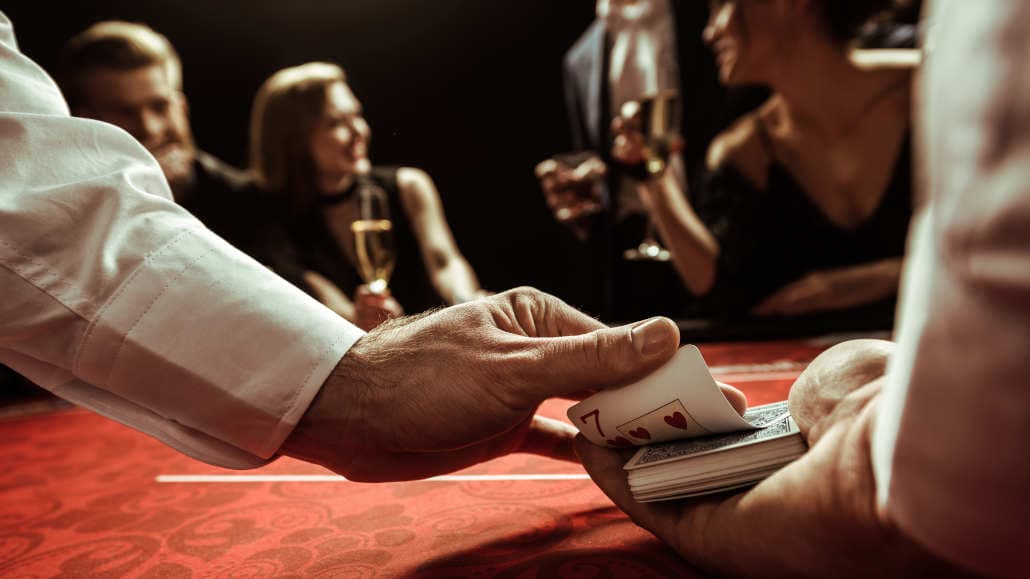
In the world of casino games, poker has its own unique language. One term you might hear is rabbit hunting. This describes a specific action where a player, after folding, asks the dealer to play out the rest of the board. Essentially, they want to see the community cards that would have come if the hand had continued. The hand is already over, but the player's curiosity gets the best of them.
This request typically happens after the flop or turn. A player might fold to a large bet while holding a drawing hand, such as a flush or straight draw. Their desire to know if they would have hit their card leads them to ask for a 'rabbit hunt'. It's a quest for knowledge on a concluded event, driven purely by a 'what if' scenario.
A Classic Rabbit Hunting Scenario
Imagine you're in a game of Texas Hold'em. You have two hearts in your hand, and the flop comes with two more hearts. You have a flush draw, a very strong potential hand.
- Your opponent bets aggressively.
- You weigh your options and decide to fold, fearing they already have a better hand.
- The hand ends, and the dealer pushes the pot to your opponent.
- You then ask the dealer, "Can we see the turn and river?"
This request is rabbit hunting. The dealer then reveals the final two turn and river cards. If another heart appears, you're left with the frustrating knowledge that you would have made your flush. This is the core of the poker curiosity that fuels the practice.
Why Do Players Insist on a Rabbit Hunt?
The primary motivation behind a rabbit hunt poker play is simple curiosity. Players want to validate their decisions. Folding a strong draw is a tough choice, and seeing that it was the 'wrong' choice can be both frustrating and a strange form of confirmation.
Other reasons include:
- Ego: Some players want to show the table they would have won the hand if they had just called.
- Information (False Premise): A player might think that seeing the runout gives them information on the deck or their luck. In reality, this information has no bearing on future hands.
- Inexperience: New players are often more prone to this, as they are still learning the emotional swings of the game and haven't yet adopted standard poker etiquette.
A seasoned player understands that the only thing that matters is the decision made with the information available at the time. What could have happened is irrelevant to long-term success.
The Etiquette of Rabbit Hunting: Is It Allowed?
While the rules can vary from casino to casino, rabbit hunting is almost universally frowned upon. Most card rooms and tournaments either strictly forbid it or strongly discourage it. The reason is simple: it disrupts the game.
Why Rabbit Hunting is Bad for the Game
| Issue | Description |
|---|---|
| Slows Down Play | The biggest issue is time. Taking a moment to reveal irrelevant cards adds up over an evening, reducing the number of hands played per hour and frustrating other players. |
| No Strategic Value | The hand is over. The information gained from revealing cards poker style after the fact is useless for future decisions and only serves to clutter the mind. |
| Creates Conflict | It can tilt players. Seeing a player who folded win the 'what if' hand can cause arguments or put others in a bad headspace, affecting the table's atmosphere. |
| Gives Away Information | By asking to see the runout, you are giving away information about what you folded. Smart opponents will take note of what kind of hands you are folding. |
In summary, while the urge for a what is rabbit hunting answer is understandable, resisting it is a sign of a disciplined and respectful player. It demonstrates that you are focused on the next hand, not dwelling on the past. If you want to improve your game, focus on making correct decisions in the moment, not on the ghosts of cards that were never in play.


